Excellent, 1,912 reviews
Enrol nowEnrol Now
23 Expert-Led Courses in One Bundle

Counselling & Psychology Career Bundle

Explore CBT, counselling, psychotherapy, child psychology and mental health. Build essential knowledge and practical skills with 23 courses in one career-focused bundle.

149

One-off payment

Everything included · 1 Year Access

Trustpilot Excellent, 1,912 reviews
Counselling & Psychology Career Bundle
  • 14-day money-back guarantee
  • Instant access
  • Secure checkout
  • Crown Commercial Service Supplier
  • Department for Work & Pensions
  • Cyber Essentials Certified
  • Disability Confident Committed
  • UKRLP
  • CMI Centre
  • IPHM Member
  • PeopleCert
  • RoSPA
  • ATHE
  • CPD Quality Standards
  • Quality Licence Scheme

Everything’s Included.

Learn with peace of mind, you've got you covered.

  • 23 Counselling & Psychology CoursesIncluded
  • CBT, Counselling & Psychotherapy TrainingIncluded
  • Child Psychology & Mental Health CoursesIncluded
  • Life Coaching & Motivational InterviewingIncluded
  • Counselling Skills, Grief & Trauma AwarenessIncluded

Why You Need This Bundle?

Mental Health Support Matters More Than Ever

Mental health challenges affect millions across the UK. Explore Counselling & Psychology to build knowledge of emotional wellbeing, psychological conditions and supportive communication.

1.81 Million

Referrals to NHS Talking Therapies for anxiety and depression in England during 2024/25.

964,000

Workers in Great Britain experienced work-related stress, depression or anxiety in 2024/25.

22.1 Million

Working days lost to work-related stress, depression or anxiety in Great Britain during 2024/25.

What You’ll Know After Completing All Courses in This Bundle

  • Understand key Counselling & Psychology principles and therapeutic approaches.
  • Explore cognitive behavioural therapy (CBT) techniques and applications.
  • Understand child and adolescent psychology, development and mental health.
  • Recognise common mental health conditions, including anxiety, depression and OCD.
  • Develop active listening, communication and essential counselling skills.
  • Explore psychotherapy, grief counselling, trauma awareness and motivational interviewing.

23 Courses. One Enrolment.

638 lessons, 4096h 57m of video, with mock and final exams included. Open any course to see its lessons.

This Life Coaching and Counselling course provides practical tools and strategies to help individuals overcome challenges, build confidence, and achieve personal and professional growth. What you'll study:

  1. 1Module 01: Coaching and Life Coaching
  2. 2Module 02: Self-Awareness
  3. 3Module 03: Development of Core Beliefs and Managing Fears
  4. 4Module 04: Types and Key Attributes of a Life Coach
  5. 5Module 05: Understanding Emotional Intelligence
  6. 6Module 06: Body Language and Communication Techniques
  7. 7Module 07: Structure for Client Work and Goal Setting
  8. 8Module 08: Business Development and Growth
  9. 9Module 09: Protect Yourself and Your Clients
  10. 10Module 10: Life Coaching and Career Counselling
  11. 11Module 11: Counselling Stress and Anxiety Disorders
  12. 12Module 12: Counselling Mood Disorders and Depression
  13. 13Module 13: Trauma and Substance Abuse Counselling
  14. 14Module 14: Counselling Self-Harm and Suicide
  15. 15Module 15: Counselling Eating & Sleeping Disorders
  16. 16Module 16: Counselling Personality Disorders
  17. 17Module 17: Children and Adolescents Counselling
  18. 18Introduction to Life Coaching
  19. 19Life Calling Theory and Model
  20. 20Additional Coaching Theories and Perspectives
  21. 21Overview of the Life Coaching Process
  22. 22Coaching Delivery Systems
  23. 23Coaching Competencies & Activities
  24. 24Coaching Documentation
  25. 25Life Coaching Explanation
  26. 26Know About Pricing of the Life Coach
  27. 27What Techniques To Look For Before Selecting A Course?
  28. 28The area your life coach will be helping you with
  29. 29Identifying Where You Are
  30. 30Setting Targets
  31. 31Action Plan
  32. 32Criteria for idealising successful people in the world
  33. 33Definition of a Happy and Successful life
  34. 34Self Improvement through motivation
  35. 35Goal setting
  36. 36The distinction between Goals and Values
  37. 3720 qualities for a successful life
  38. 38Stress Management
  39. 39Time Management
  40. 40Challenging yourself to be motivated
  41. 41Ways to Maximize your Potential
  42. 42Overcome Obstacles Created by Your Self-Limiting Beliefs
  43. 43Aspects of human behavior to succeed
  44. 44Why motivation is important for a successful life
  45. 45Role of Education in successful life
  46. 46Social roles for a successful life
  47. 47Maintaining work life balance
  48. 48What make a person Unsuccessful?
  49. 49Dealing with Life Challenges
  50. 50Factors behind importance of motivation in successful life
  51. 51Understanding the Concepts
  52. 52Life Coaching Areas
  53. 53The Role of a Life Coach
  54. 54Key Skills of a Life Coach
  55. 55Do You Have What It Takes To Be A Coach?
  56. 56Coaching Business
  57. 57The Income Streams of a Life Coach
  58. 58How to Build Your Business
  59. 59Life Coaching FAQ
  60. 60Order your Accredited Certificate directly from CPDQS
  61. 61We Appreciate Your Feedback

Depression Counselling Training develops essential understanding of mental health, therapeutic communication, and supportive intervention strategies, enabling learners to respond compassionately, guide recovery, and promote emotional wellbeing in diverse care settings. What you'll study:

  1. 1Depression Counselling Promo
  2. 2About_Course
  3. 3About_Tutor
  4. 4Intro Depression
  5. 5Melancholy_History
  6. 6Signs of Depression
  7. 7Brain_Depression
  8. 8Neurons_Depression
  9. 9Stress_Depression
  10. 10Environment_Health
  11. 11Sleep_Disorders
  12. 12Somatic_Sympotoms
  13. 13Risk_factors
  14. 14Module_1_End_Qs
  15. 15Classification_Methods
  16. 16Cyclymia
  17. 17Creativity_Depression
  18. 18Dysthymia_Atypica
  19. 19Bipolar_Manic
  20. 20Antenatal_Postpaturm_D
  21. 21Bereavement_Grief
  22. 22Dysthymia_Children
  23. 23Elderly
  24. 24Psychosocial_Health_Elderly
  25. 25Module_2_Qs
  26. 26Neurogenesis
  27. 27MOI
  28. 28Serotonin_Syndrome
  29. 29SSRIs
  30. 30Tyramine
  31. 31Medical_Stats
  32. 32Module_3_Qs
  33. 33Lifestyle_Diet_DD
  34. 34St John’s Wort
  35. 35Omega_3
  36. 36Tai_Chi_Qigong
  37. 37Yoga
  38. 38Acupuncture
  39. 39Art_Music_Therapy
  40. 40Module_4_Qs
  41. 41Person_Centr_Appr
  42. 42Family_Couples_Therapy
  43. 43Step_Care_Approach
  44. 44Psychodynamic_IPT
  45. 45REBT
  46. 46Hypnotherapy
  47. 47Hypnotherapy_PTSD
  48. 48Gestalt_Therapy
  49. 49Therapeutic_Relationship
  50. 50Knowledge_Qualities
  51. 51Module_5_Qs
  52. 52Thanks_GoodBye!
  53. 53Additional Study Materials: Depression Counselling Training
  54. 54Assignment – Depression Counselling Training
  55. 55Order Your Certificate QLS

Counselling and Psychotherapy explores therapeutic approaches that support emotional wellbeing, self-awareness, and positive change. Learners gain insight into communication, ethical practice, mental health understanding, and professional development for helping roles. What you'll study:

  1. 1Psychotherapy Promo
  2. 2About the Instructor
  3. 3About the Course
  4. 4What is Psychotherapy?
  5. 5A Short Historical Introduction
  6. 6Psychology, Counselling & Psychotherapy
  7. 7Where do Psychotherapists work?
  8. 8Who Can Benefit from Psychotherapy?
  9. 9Short-Term Vs Long-Term Therapy
  10. 10Therapeutic Relationship
  11. 11What does the First Psychotherapy Session Involve?
  12. 12Psychotherapy for Children
  13. 13Individual and Group Sessions
  14. 14Family Therapy
  15. 15Psychodynamic Approach
  16. 16Unconscious Processes (The Unconscious Mind)
  17. 17Defense Mechanisms
  18. 18Humanistic Approach
  19. 19Cognitive Behavioural Approach (CBT)
  20. 20Face-to-face Vs ‘Online’ Psychotherapy
  21. 21How to Become an Online Psychotherapist?
  22. 22Thank You and Good Bye!
  23. 23Resources – Level 3 Diploma in Counselling and Psychotherapy
  24. 24Assignment – Counselling and Psychotherapy Level 3
  25. 25Workbook – Counselling and Psychotherapy Level 3
  26. 26We Appreciate Your Feedback

Psychology of Anxiety and Stress explores cognitive, emotional, and behavioural responses to pressure, revealing triggers, coping mechanisms, resilience strategies, and evidence-based approaches that support mental balance, wellbeing, and healthier functioning. What you'll study:

  1. 1What is ‘Stress’?
  2. 2How does ‘stress’ affect us?
  3. 3Why do we experience ‘stress’ differently?
  4. 4‘Good stress’ (Eustress) Vs ‘Bad stress’ (Distress)
  5. 5‘Stress’ and ‘Burnout’
  6. 6Coping with stress as an individual
  7. 7Low ability (inability) to cope with stressors
  8. 8What do people use to cope with stress?
  9. 9‘Addictions’ and Coping with ‘Stress’
  10. 10‘Breathing’ in Stress Management
  11. 11Stress-Reducing Techniques
  12. 12Medication Treatments (Pharmacology) – Part 1
  13. 13Medication Treatments (Pharmacology) – Part 2
  14. 14Nutrition and ‘Stress’ – Part 1
  15. 15Nutrition and ‘Stress’ – Part 2
  16. 16What do we call ‘anxiety’?
  17. 17What is the difference between ‘stress’ and ‘anxiety’?
  18. 18When does ‘anxiety’ become an ‘anxiety disorder’?
  19. 19Generalised Anxiety Disorder (GAD)
  20. 20Social Anxiety Disorder (Social Phobia)
  21. 21Panic Disorder
  22. 22‘Addictions’ and Anxiety Disorders
  23. 23Psychotherapy for Anxiety Disorders
  24. 24Cognitive Behavioural Therapy (CBT) for Anxiety Disorders
  25. 25Mindfulness & Mindfulness Based Therapy (MBT)
  26. 26Medial Treatments (Pharmacology)
  27. 27Anxiety-Reducing Techniques
  28. 28Good Bye and Thank You!
  29. 29Assignment – Psychology of Anxiety and Stress
  30. 30Resources – Psychology of Anxiety & Stress
  31. 31Workbook – Psychological Wellbeing Practitioner Course
  32. 32Order Your Certificate QLS

Advanced Certificate in Psychology develops critical understanding of human behaviour, mental processes, and applied psychological principles, supporting personal insight, academic progression, and professional growth across health, education, and organisational environments. What you'll study:

  1. 1Promo Video
  2. 2What is Psychology
  3. 3The Biological Approach
  4. 4Behaviourist and Cognitive Approaches
  5. 5Person-Centred Approaches
  6. 6Research Methods in Psychology
  7. 7Debates in Psychology
  8. 8Social Influence: Compliance, Obedience and Conformity
  9. 9Social Cognition
  10. 10Applied Social Psychology
  11. 11Perception
  12. 12Attention
  13. 13Remembering (Memory)
  14. 14Forgetting (Memory)
  15. 15Language
  16. 16Thinking (Cognition)
  17. 17Attitudes
  18. 18Problem-Solving and Artificial Intelligence
  19. 19Issues in Child Development
  20. 20Cognitive Development
  21. 21The Development of Language and Communication
  22. 22Social Perception (Interpersonal Perception)
  23. 23Moral Development
  24. 24The definition and Diagnosis of Atypical (Abnormal) Behaviour
  25. 25Treatments of atypical (abnormal) behaviour
  26. 26Emotional disorders
  27. 27Research Methods
  28. 28Research Issues
  29. 29Data Analysis
  30. 30Thank You and Good Bye!
  31. 31Resource Materials : Advanced Diploma in Psychology Level 4
  32. 32Assignment – Advanced Certificate in Psychology Level 4
  33. 33Workbook – Advanced Certificate in Psychology
  34. 34Order Your Certificate QLS

Child Psychologist Complete Training explores child development, behaviour, emotional wellbeing, and psychological approaches, helping learners understand how children think, feel, and develop across different stages. What you'll study:

  1. 1Introduction to Child Psychology
  2. 2Attachment and Relationship Building in Childhood
  3. 3Impacts of Separation and Loss on Attachment
  4. 4Factors That Influence Development
  5. 5Cognitive Development
  6. 6Social and Emotional Development
  7. 7Personality and Intellectual Development in Children
  8. 8Stages of Language Development
  9. 9Problems of Adolescence
  10. 10Problems of Childhood
  11. 11Problems of Infancy
  12. 12Understanding Moral Development
  13. 13Module 01: Introduction to ADHD
  14. 14Module 02: ADHD in Young People and Adults
  15. 15Module 03: ADHD in Family Settings
  16. 16Module 04: ADHD in Educational Settings and Parent Training
  17. 17Module 05: ADHD and Learning Difficulties
  18. 18Module 06: Cognitive Approaches in ADHD
  19. 19Module 07: The Organisation of Care for ADHD
  20. 20Introduction to ABA
  21. 21ABA Component Breakdown
  22. 22Rules When Applying ABA
  23. 23Foundation Techniques of ABA
  24. 24ABA for Motor Skills
  25. 25ABA for Language Skills
  26. 26ABA for Cognitive Skills
  27. 27ABA for Visuospatial Skills
  28. 28Generalization in ABA Theory
  29. 29Module 01: Introduction to Autism
  30. 30Module 02: Causes Of Autism
  31. 31Module 03: Autistic Behaviours
  32. 32Module 04: Learning Disability
  33. 33Module 05: Attention Deficit Hyperactivity Disorder ADHD
  34. 34Module 06: Tourette’s Syndrome
  35. 35Module 07: Epilepsy
  36. 36Module 08: Developmental Coordination Disorder DCD
  37. 37Module 09: Obsessive Compulsive Disorder OCD
  38. 38Module 10: Other Psychological Issues
  39. 39Module 11: Understanding And Dealing With Autistic Behaviour
  40. 40Module 12: Repetitive Behaviour
  41. 41Module 13: Schooling
  42. 42Module 14: What should teachers do
  43. 43Module 15: Socialising And Communication
  44. 44Module 16: Interventions
  45. 45Module 17: Government Policies On Autism In England
  46. 46Introduction
  47. 47Benefits of Inclusive Education System and the Role of a School Shadow Support
  48. 48Educational and Behavioural Implications of Children with Autism Spectrum, ADHD
  49. 49Intervention Strategies and Best Practices to Manage Behaviour
  50. 50Importance of Fading and Promoting Independence
  51. 51Assignment – Child Psychologist Complete Training
  52. 52Workbook – Child Psychologist Complete Training

Psychological Wellbeing Practitioner Course introduces essential mental health support techniques, therapeutic communication, and wellbeing strategies. Learn how Psychological Wellbeing Practitioners help individuals manage stress, anxiety, and emotional challenges while promoting positive mental health. What you'll study:

  1. 1Module-1: Introduction to Psychotherapy
  2. 2Module-2: Skills of a Psychological Wellbeing Practitioner
  3. 3Module-3: Types of Therapies
  4. 4Module-4: Engaging and Assessing the Patients
  5. 5Module-5: Low Intensity CBT Treatment
  6. 6Module-6: Forms of Psychotherapy
  7. 7Module-7: Helping the Client in Crisis
  8. 8Module-8: Crisis Intervention
  9. 9Assignment – Psychological Wellbeing Practitioner Course
  10. 10Workbook – Psychological Wellbeing Practitioner Course
  11. 11Order your Accredited Certificate directly from CPDQS
  12. 12We Appreciate Your Feedback

Child and Adolescent Mental Health focuses on understanding emotional, behavioural, and psychological wellbeing in young people, helping caregivers and professionals recognise challenges early and support healthy development, resilience, and positive mental health outcomes. What you'll study:

  1. 1Module 01: Introduction to Mental Health
  2. 2Module 02: Child Psychology
  3. 3Module 03: Attachment and Relationship Building in Childhood
  4. 4Module 04: Impacts of Separation and Loss on Attachment
  5. 5Module 05: Factors that Influence Development
  6. 6Module 06: Mental Health Problems in Young and Adults
  7. 7Module 07: Other Mental Health Problems in Young and Adults
  8. 8Module 08: Autism, ADHD and Dyslexia in Young and Adults
  9. 9Module 09: Dealing With Autism, ADHD and Dyslexia in Young and Adults
  10. 10Module 10: The Self Harming Behaviour
  11. 11Module 11: Mental Health Treatment and Medicine
  12. 12Module 12: Mental Health over Life Span and Society in the UK
  13. 13Module 13: Mental Health Related Legislations in the UK
  14. 14Assignment – Child and Adolescent Mental Health
  15. 15Order Your Certificate QLS
  16. 16We Appreciate Your Feedback

Overview Our comprehensive training on psychotherapy with professional certification will prepare you. What you'll study:

  1. 1About the Instructor
  2. 2About the Course
  3. 3What is ‘Psychotherapy’?
  4. 4Difference between ‘Counselling’ and ‘Psychotherapy
  5. 5Who needs psychotherapy?
  6. 6Setting up therapeutic environment
  7. 7Listening Skills & Listening Stages
  8. 8Establishing positive therapeutic relationship
  9. 9Stress – and Anger management
  10. 10Person-Centred Therapy
  11. 11Psychodynamic Therapy & Psychoanalysis
  12. 12Gestalt Therapy
  13. 13Existential Psychotherapy
  14. 14Individual Psychotherapy
  15. 15Group sessions (workshops)
  16. 16Couple psychotherapy
  17. 17Online (Skype) Therapy
  18. 18Psychotherapy for Depression
  19. 19Psychotherapy for Anxiety disorders
  20. 20Psychotherapy for Schizophrenia
  21. 21Gender Identity Disorder (Gender Dysphoria)
  22. 22Psychotherapy for Eating Disorders
  23. 23Suicidal thinking & talking
  24. 24Self harm cases
  25. 25How to set up own practice
  26. 26Relationship breakdown
  27. 27Where to advertise own services
  28. 28Registration & Accreditation
  29. 29Thank you & Good Bye!
  30. 30Order Your Certificate Now

Psychology Complete Course explores child and elderly behaviour, anxiety, stress, addiction, and motivation, offering practical insights to understand emotions, improve wellbeing, and support healthier personal, social, and professional development effectively. What you'll study:

  1. 1About the Course and your Tutor
  2. 2The Importance of Bonding
  3. 3The Social and Emotional development: from birth to 1 yr
  4. 4The Innate Reflexes of Newborn Babies
  5. 5The Benefits of Testing at ‘Milestones’
  6. 6The Importance of Social and Emotional Development
  7. 7The Ages and Stages that Children go through
  8. 8The Main theories in Developmental Psychology
  9. 9The Importance of Positive Role Models
  10. 10The Barriers to Achieving the ‘Milestones’
  11. 11The Importance of Unconditional Love
  12. 12Forms of communication
  13. 13What is ‘Pre-linguistic’ form of communication
  14. 14The Active and the Passive Communication
  15. 15The Importance of Opportunities in Development of the Skills
  16. 16The Importance of Body Language
  17. 17The Importance of Cognitive Development
  18. 18The Main Psychological Theories in Cognitive Development
  19. 19The Appropriate Opportunities for Cognitive Development
  20. 20The Unconscious Mind: Id, Ego and Superego. Psychoanalytical Theory
  21. 21Thank You and Good Bye!
  22. 22Resources – Child Psychologist Training Course
  23. 23Assignment – Child Psychologist Training Course
  24. 24Introduction: About instructor & the course
  25. 25The Moral Model
  26. 26The Psychological Model
  27. 27The Socio-Cultural Model
  28. 28Pharmacotherapy
  29. 29The Minnesota Model
  30. 30Counselling and Therapy
  31. 31Harm Reduction Model
  32. 32Treatments in Practice
  33. 33Drug policies, Legislation and Decriminalisation
  34. 34Community change, Outreach, Harm Reduction or Abstinence
  35. 35Alcohol and Drug education
  36. 36Alcohol- and drug related issues in the workplace
  37. 37Codependency, Children of alcoholic families, parenting styles, family factors
  38. 38Relapse for families, ‘letting go’, dependent attitudes and dependent behaviours
  39. 39Al-Anon
  40. 40The Intervention Approach
  41. 41Why be a ‘helper’
  42. 42‘Helper’ qualities and attitudes
  43. 43Counselling / ‘helping’ skills
  44. 44Intro about teacher
  45. 45About course
  46. 46Devel Psy
  47. 47Gerontology
  48. 48Old Age
  49. 49Ageing
  50. 50Stereotype
  51. 51Affect Stereorype
  52. 52Life Stages
  53. 53Look Forward
  54. 54Memory
  55. 55Learning_dis
  56. 56Dementia
  57. 57Chronic
  58. 58Substance
  59. 59QOL
  60. 60Lonely
  61. 61Grief
  62. 62Depression
  63. 63Fear Death
  64. 64Exercise
  65. 65Healthy Eating
  66. 66Other Health
  67. 67Caring
  68. 68Goodbye
  69. 69What is ‘Stress’?
  70. 70How does ‘stress’ affect us?
  71. 71Why do we experience ‘stress’ differently?
  72. 72‘Good stress’ (Eustress) Vs ‘Bad stress’ (Distress)
  73. 73‘Stress’ and ‘Burnout’
  74. 74Coping with stress as an individual
  75. 75Low ability (inability) to cope with stressors
  76. 76What do people use to cope with stress?
  77. 77‘Addictions’ and Coping with ‘Stress’
  78. 78‘Breathing’ in Stress Management
  79. 79Stress-Reducing Techniques
  80. 80Medication Treatments (Pharmacology) – Part 1
  81. 81Medication Treatments (Pharmacology) – Part 2
  82. 82Nutrition and ‘Stress’ – Part 1
  83. 83Nutrition and ‘Stress’ – Part 2
  84. 84What do we call ‘anxiety’?
  85. 85What is the difference between ‘stress’ and ‘anxiety’?
  86. 86When does ‘anxiety’ become an ‘anxiety disorder’?
  87. 87Generalised Anxiety Disorder (GAD)
  88. 88Social Anxiety Disorder (Social Phobia)
  89. 89Panic Disorder
  90. 90‘Addictions’ and Anxiety Disorders
  91. 91Psychotherapy for Anxiety disorders
  92. 92Cognitive Behavioural Therapy (CBT) for Anxiety Disorders
  93. 93Mindfulness & Mindfulness Based Therapy (MBT)
  94. 94Medial Treatments (Pharmacology)
  95. 95Anxiety-Reducing Techniques
  96. 96Good Bye and Thank You!
  97. 97Assignment – Psychology of Anxiety and Stress
  98. 98Resources – Psychology of Anxiety & Stress
  99. 991. MS-About_Course
  100. 1002. MS_About_Instructor
  101. 1013. MS_5Charact_Entre
  102. 1025. MS_SuperFocused
  103. 1036. MS_Right_Decision
  104. 1047. MS_Exercise
  105. 1058. MS_SelfMotiv
  106. 1069. MS_5LifeCoachQ’s
  107. 10710. MS_MotivAllTimes
  108. 10811. MS_PositDream
  109. 10912. MS_5EasyWays
  110. 11013. MS_Exercise_2
  111. 11114. MS_Enthus_Confid
  112. 11215. MS_Posit_Slow
  113. 11316. MS_Stress_Sympt
  114. 11417. MS_Stress_Anxiety
  115. 11518. MS_Exerc_3
  116. 11619. MS_Success_Mindset
  117. 11720. MS_Vision_Persist
  118. 11821. MS_Work_LIfe
  119. 11922. MS_Profess&Credible
  120. 12023. MS_TrustKnow
  121. 12124. MS_Exercise4
  122. 12225. MS_Bonus_OCoach

A Child Psychology Diploma is a course that explores children's mental, emotional, and behavioral development, helping professionals understand, support, and guide children effectively. What you'll study:

  1. 1Module 01: Introduction to the Course
  2. 2Module 02: Understanding Child Development
  3. 3Module 03: Factors That Influence Development
  4. 4Module 04: Social and Emotional Development
  5. 5Module 05: Cognitive Development
  6. 6Module 06: Moral and Ethical Development in Children
  7. 7Module 07: Language Development
  8. 8Module 08: Personality and Intellectual Development in Children
  9. 9Module 09: Attachment and Relationship Building in Childhood
  10. 10Module 10: Impacts of Separation and Loss of Attachment
  11. 11Module 11: Problems of Infancy
  12. 12Module 12: Problems in Childhood and Adolescence
  13. 13Recommended Readings – Child Psychology Diploma
  14. 14Workbooks – Child Psychology Diploma
  15. 15Optional Assignment – Child Psychology Diploma
  16. 16Order Your Certificate QLS
  17. 17We Appreciate Your Feedback

Develop practical understanding of Cognitive Behavioural Therapy (CBT) Training, exploring core principles, thought patterns, behavioural change techniques, and supportive strategies to improve emotional wellbeing, resilience, and effective client-focused therapeutic communication. What you'll study:

  1. 1Module 01: Getting Started with CBT
  2. 2Module 02: CBT History
  3. 3Module 03: Importance of Negative Thoughts
  4. 4Module 04: Goal Setting
  5. 5Module 05: Behavioural Activation
  6. 6Module 06: Cognitive Restructuring
  7. 7Module 07:Cognitive Restructuring: Step-by-step Plan
  8. 8Module 08: Core Belief
  9. 9Module 09: Changing Negative Belief
  10. 10Module 10: Mindfulness-integrated CBT
  11. 11Module 11: CBT in Procrastination
  12. 12Module 12: CBT in Stress, Anxiety and Depression
  13. 13Module 13: CBT in Fear and Phobias
  14. 14Module 14: CBT in Panic Attacks
  15. 15Module 15: CBT in Excessive Anger
  16. 16Module 16: CBT in Eating Disorder
  17. 17Module 17: CBT in Addiction
  18. 18Assignment – Cognitive Behavioural Therapy (CBT) Training
  19. 19Order Your Certificate QLS

Counselling Skills Training builds effective communication, empathy, and ethical awareness to support individuals confidently. Learn active listening, boundaries, and practical techniques that enhance personal development, wellbeing support, and helping relationships. What you'll study:

  1. 1Module 1: Counselling and Counsellors
  2. 2Module 2: Theories and Models of Counselling (Part 1)
  3. 3Module 03: Theories and Models of Counselling (Part 2)
  4. 4Module 4: Legal, Cultural and Ethical Issues in Professional Counselling
  5. 5Module 5: Forms of Psychotherapy
  6. 6Module 6: Engaging and Assessing the Patients
  7. 7Module 7: Helping the Client in Crisis
  8. 8Module 8: Crisis Intervention
  9. 9Module 9: Low Intensity CBT Treatment
  10. 10Module 10: Medication and Therapy in the Treatment of Mental Illness
  11. 11Module 11: Communication Skills and Empathy in Counselling
  12. 12Assignment – Counselling Skills Training

Develop essential skills in Child and Adolescent Counselling, understanding emotional development, communication techniques, and support strategies to help young people overcome challenges, build resilience, and improve mental wellbeing effectively overall. What you'll study:

  1. 1Counselling and Counsellors
  2. 2Understanding Child Development
  3. 3Factors That Influence Development
  4. 4Cognitive Development
  5. 5Social and Emotional Development
  6. 6Personality and Intellectual Development in Children
  7. 7Theories and Models of Counselling (Part 1)
  8. 8Theories and Models of Counselling (Part 2)
  9. 9Childhood and Adolescent Psychiatric Disorders
  10. 10Counselling Children and Adolescents in Schools
  11. 11Legal, Cultural and Ethical Issues in Professional Counselling
  12. 12Counselling Stress and Anxiety Disorders
  13. 13Counselling Trauma and Substance Abuse
  14. 14Counselling Mood Disorders and Depression
  15. 15Counselling Eating & Sleeping Disorders
  16. 16Counselling Self-Harm and Suicide
  17. 17Communication Skills and Empathy in Counselling
  18. 18We Appreciate Your Feedback

Obsessive Compulsive Disorder (OCD) Awareness highlights the realities of intrusive thoughts and repetitive behaviours, promoting early recognition, reducing stigma, encouraging open conversations, and supporting individuals to seek appropriate professional help and understanding. What you'll study:

  1. 1Introduction to Obsessive Compulsive Disorder (OCD)
  2. 2Signs, Symptoms and Causes of OCD
  3. 3Identifying and Treating Specific OCD Symptoms
  4. 4Treatment for OCD
  5. 5Treating Children with OCD
  6. 6Overcoming OCD
  7. 7Relapse Prevention and Recovery
  8. 8Living with OCD
  9. 9Assignment – OCD Awareness
  10. 10Order Your Certificate QLS

Couples Therapy & Counselling supports partners in improving communication, resolving conflict, rebuilding trust, and strengthening emotional connection through guided conversations, practical strategies, and professional insight for healthier, more fulfilling relationships. What you'll study:

  1. 1Introduction
  2. 2Communication
  3. 3Conflict Resolution
  4. 4Intimacy
  5. 5Pre-Marital Counselling
  6. 6Healthy Fighting
  7. 7Affairs
  8. 8Apology & Forgiveness
  9. 9Adapting to Changes
  10. 10Moving Forward Together
  11. 11Assignment – Couples Therapy & Counselling
  12. 12Order Your Certificate QLS

Motivational Interviewing teaches practical communication techniques to inspire positive behaviour change. Learn how to build trust, explore ambivalence, and support individuals in making confident, goal-focused decisions. What you'll study:

  1. 1Introduction to Motivational Interviewing
  2. 2Principles of Motivational Interviewing
  3. 3Motivational Interviewing: Skills & Strategies
  4. 4Stages of Change
  5. 5Theories of MI
  6. 6Developing and Maintaining MI Skills
  7. 7Motivational Interviewing in Various Health Settings
  8. 8Perils and Possibilities of Group-Based MI

Learning Outcome Understand the concept of counselling and the categories of loss. What you'll study:

  1. 1Concept of Counselling
  2. 2Bereavement and Grief in Life
  3. 3When does grief begin
  4. 4Effect of Sudden Death
  5. 5Mourning Specific Losses
  6. 6Complicated Grief Reactions Part 1
  7. 7Complicated Grief Reactions Part 2
  8. 8Special Issues in Grief
  9. 9Children and Grief
  10. 10Professional Help for Adults
  11. 11Grief Counselling and Grief Resolution
  12. 12Ethical Issues in Grief Counselling Practice
  13. 13Order Your Certificate Now

Course Overview Become a trained professional from the safety and comfort of. What you'll study:

  1. 1Introduction to Mental Health
  2. 2Childhood and Adolescent Psychiatric Disorders
  3. 3Stress and Anxiety Disorders
  4. 4Schizophrenia
  5. 5Personality Disorders
  6. 6Mood Disorders
  7. 7Eating & Sleeping Disorders
  8. 8Self-Harm and Suicide
  9. 9Introduction to Psychotherapy
  10. 10Types of Therapies
  11. 11Engaging and Assessing the Patients
  12. 12Low Intensity CBT Treatment
  13. 13Forms of Psychotherapy
  14. 14Helping the Client in Crisis
  15. 15Crisis Intervention
  16. 16Order Your Certificate Now

Course Overview Become a trained professional from the safety and comfort of. What you'll study:

  1. 1Lecture 01 – Definition of Disaster, Crisis and Trauma
  2. 2Lecture 02 – Effects of Disaster and Traumatic Events on Human Psychology
  3. 3Lecture 03 – Children and Trauma
  4. 4Lecture 04 – Traumatic Reaction by Developmental Period
  5. 5Lecture 05 – Helping Children After a Traumatic Event
  6. 6Lecture 06 – Case Examples – Problematic Reaction
  7. 7Study Materials – Crisis and Trauma Counselling in Early Childhood
  8. 8Order Your Certificate Now

Enroll in our online Diploma of Counselling and Psychology to develop professional counselling skills, understand human behaviour, and support mental wellbeing through flexible, self-paced learning designed for modern learners. What you'll study:

  1. 1Module 01: Counselling and Counsellors
  2. 2Module 02: Theories and Models of Counselling (Part 1)
  3. 3Module 03: Theories and Models of Counselling (Part 2)
  4. 4Module 04: Legal, Cultural and Ethical Issues in Professional Counselling
  5. 5Module 05: Forms of Psychotherapy
  6. 6Module 06: Childhood and Adolescent Psychiatric Disorders
  7. 7Module 07: Counselling Children and Adolescents in Schools
  8. 8Module 08: Counselling Trauma and Substance Abuse
  9. 9Module 09: Counselling Stress and Anxiety Disorders
  10. 10Module 10: Counselling Personality Disorders
  11. 11Module 11: Counselling Mood Disorders and Depression
  12. 12Module 12: Counselling Eating & Sleeping Disorders
  13. 13Module 13: Life Coaching and Career Counselling
  14. 14Module 14: Couple and Family Counselling
  15. 15Module 15: Counselling Self-Harm and Suicide
  16. 16Module 16: Engaging and Assessing the Patients
  17. 17Module 17: Helping the Client in Crisis
  18. 18Module 18: Crisis Intervention
  19. 19Module 19: Low Intensity CBT Treatment
  20. 20Module 20: Medication and Therapy in the Treatment of Mental Illness
  21. 21Module 21: Communication Skills and Empathy in Counselling

Overview Counselling and Psychotherapy Training offers a strong foundation in mental health. What you'll study:

  1. 1Introduction
  2. 2Course Overview
  3. 3Non-Linear Thinking and Domains of Expertise
  4. 4Advanced Non-Linear Thinking
  5. 5Paradoxical Intervention
  6. 6What is a Paradoxical Intervention
  7. 7Paradoxical Intervention Neutralizer
  8. 8Paradoxical Intervention Tranquillizer
  9. 9Paradoxical Intervention Energizer
  10. 10Types of Paradoxical Intervention Energizer
  11. 11Types of Paradoxical Challenger Intervention
  12. 12Use of Humour in therapy
  13. 13Elements of Humor in Therapy
  14. 14Humour & Other Domains of Competence
  15. 15Humour & Paradoxical Intervention
  16. 16Caution about using humour in therapeutic settings
  17. 17Characteristics of Master Therapists
  18. 18Ethics and Conclusion

Overview of Child Psychology Advanced Diploma - Level 2 Child Psychology Advanced. What you'll study:

  1. 1Introduction
  2. 2Foundations of Applied Child Psychology
  3. 3Practical vs. Theoretical Approaches
  4. 4Observation and Case Analysis
  5. 5Child-Centred vs. Family-Centred Support
  6. 6Environmental and Cultural Influences
  7. 7Ethics and Boundaries in Practice
  8. 8Cognitive and Language Development in Children
  9. 9Key Theories of Cognitive Growth
  10. 10Stages of Language Acquisition
  11. 11Role of Play in Cognitive Skills
  12. 12Learning Differences and SEN
  13. 13Early Support and Intervention Techniques
  14. 14Emotional and Behavioural Understanding
  15. 15Development of Emotional Awareness
  16. 16Regulation Strategies for Young Children
  17. 17Identifying Internalising and Externalising Behaviours
  18. 18Mental Health Concerns in Childhood
  19. 19Behavioural Support and Family Roles
  20. 20Social Context and Child Development
  21. 21Parenting Styles and Their Effects
  22. 22Peer Influence and Social Belonging
  23. 23Schooling and Child Psychology
  24. 24Media and Digital Exposure in Development
  25. 25Safeguarding and Professional Responsibility
  26. 26Conclusion
  • Mock exam,
  • Final Exams: 23
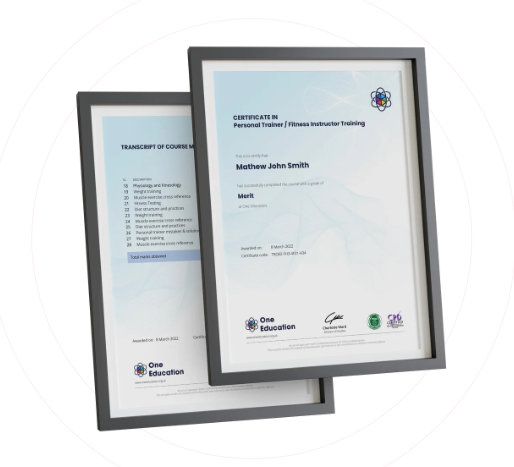
  • Certificate and transcriptTranscript
  • Audited and Updated: 31st Oct 2026
Get all 23 courses Enrol now

One payment. No subscription. 14-day money-back guarantee.

Is This Bundle Right for You?

Anyone aged 16 or over can enrol. It's fully online and self-paced, so it fits around whatever else your week already holds.

Aspiring Counsellors

Interested in helping others? Explore counselling techniques, psychotherapy and communication skills to build foundational knowledge.

Career Changers

Considering a career in mental health or wellbeing? Develop your understanding of psychology, CBT and therapeutic approaches before pursuing further training.

Parents & Carers

Want to better understand emotions and behaviour? Explore child psychology, adolescent mental health and approaches to emotional wellbeing.

Support & Care Professionals

Already working in a support or care role? Strengthen your knowledge of counselling skills, mental health awareness and supportive communication.

Where the role leads

Average UK salary ranges for roles this bundle relates to. Completing it doesn't guarantee employment or a specific salary.

  • Counsellor

    £25k to £48k

  • Psychological Wellbeing Practitioner

    £28k to £39k per year

  • Support, Time and Recovery Worker (Mental Health)

    £25,760 to £27,476 per year

Framed One Education CPD certificate and transcript

Your Proof of Achievement Awaits Get Certified Today.

Pass the final exam and download your CPD-accredited certificate straight away, free. Prefer it on paper? We'll post you a printed copy.

Digital CPD certificateIncluded, worth £9
Printed hard copy, posted to you15
Mock and Final Exam After Each Course (Retake Cost Covered)Included
Accredited certificate direct from CPDQSOptional

A Million Learners & So Many Good Reviews Can't Be Wrong.

Trustpilot

4.2Great

Excellent, 1,912 reviews
"Thanks very much for giving me a chance to take the course. Not only can I enhance my knowledge of childcare, but the content will definitely help me master my skills of teaching phonics to children, not least the dyslexic ones."
Wiba Tang
The experience was great. The documents are very clearly and understanding.
Ana Patricia Capitao
Convenience and easy access online of work. Im very comfortable of this course and the support.
Manisha Supersad

Trusted by teams

Employees at 100+ Businesses Trust Us

Helping professionals build new skills through trusted training programmes.

  • British Library
  • British Athletics
  • York St John University
  • Warwickshire County Council
  • University of East Anglia
  • Co-op
  • Staffordshire County Council
  • Sport 4 Life UK
  • NHS
  • Siemens

How This Bundle Works?How this Bundle Works?

Anyone aged 16 or over can enrol. It's fully online and self-paced, so it fits around whatever else your week already holds.

  1. 01Enrol in two minutes
  2. 02Get instant access
  3. 03Learn at your pace
  4. 04Pass and get certified
14 days money back guarantee

If You Don't Feel Sure, We've Got You Covered

Tell us within 14 days of enrolling and we'll refund you in full.
No forms, no argument.

Enrol with confidenceEnrol and get certified

Questions before you enrol

This bundle includes 23 courses covering CBT, counselling, psychotherapy, child psychology, mental health, life coaching and therapeutic communication.
It's suitable for aspiring counsellors, career changers, support workers, carers and anyone interested in developing Counselling & Psychology knowledge.
You'll explore CBT, motivational interviewing, active listening, psychotherapy, grief counselling and approaches to supporting emotional wellbeing.
No. The bundle develops subject knowledge and counselling skills but does not replace recognised professional qualifications, supervised practice or other requirements for professional counselling roles.
Yes. The courses explore child development, adolescent mental health, anxiety, depression, OCD, trauma awareness and childhood counselling.

Why Wait? Invest in Yourself Today.
Complete Your Enrollment to Get Access.

Fill in your details below and you will receive instant access to every course in the bundle, along with your dashboard login and receipt by email.

1. Choose your course

2. Your details

3. Payment

  • PayPal
  • Stripe
  • Google Pay
  • Apple Pay
  • Visa
  • Mastercard
  • American Express
  • Pay with Link
  • Discover