
Excellent 1,912 reviews
Enrol nowEnrol Now
23 Project Management Courses in One Bundle

Project Management Career Bundle (Agile, PRINCE-style & Six Sigma)

The Project Management Career Bundle brings 23 courses together: project management, Agile, PRINCE-style, Six Sigma, risk, cost control and change. Build the skills to plan, deliver and improve projects.

178.8

One-off payment

Everything included · 1 Year Access

Trustpilot Excellent 1,912 reviews
Project Management Career Bundle (Agile, PRINCE-style & Six Sigma)
  • 14-day money-back guarantee
  • Instant access
  • Secure checkout
  • Crown Commercial Service Supplier
  • Department for Work & Pensions
  • Cyber Essentials Certified
  • Disability Confident Committed
  • UKRLP
  • CMI Centre
  • IPHM Member
  • PeopleCert
  • RoSPA
  • ATHE
  • CPD Quality Standards
  • Quality Licence Scheme

Everything’s Included.

Learn with peace of mind, you've got you covered.

  • 23 Courses in Project ManagementIncluded
  • Project Planning, Cost Control and Scheduling TrainingIncluded
  • Agile and Scrum Master TrainingIncluded
  • Lean Six Sigma, Root Cause Analysis and Quality AssuranceIncluded
  • Business Analysis, Risk, Change and Operations ManagementIncluded

Why You Need This Bundle?

Employers Say Project Skills Are in Short Supply

APM research highlights project skills shortages. This 23-course bundle covers project management, Agile, Lean Six Sigma, risk, cost control and change, helping learners build knowledge to plan, deliver and improve projects across different industries.

61%

APM’s Business Leader Index Survey 2025/2026 found that 61% of business leaders believe the project professional talent pipeline is insufficient.

54%

According to APM’s Project Management Skills Survey 2026, 54% of project professionals are concerned about having the right skills to deliver projects successfully.

57%

According to APM’s Project Management Skills Survey 2026, 57% of project professionals say their organisation is concerned about a lack of skills to deliver current projects.

What You’ll Know After Completing All Courses in This Bundle

  • Plan, schedule and deliver projects using proven project management methods
  • Work in Agile and Scrum teams and understand PRINCE-style governance
  • Use Six Sigma and Lean tools to improve quality and remove waste
  • Identify risks, manage crises and lead change
  • Control costs, schedule projects and build commercial awareness
  • Understand business analysis, product thinking and operations management

23 Courses. One Enrolment.

710 lessons, 3796h 41m of video, with mock and final exams included. Open any course to see its lessons.

Learning Outcome Learn the details of the concept of quality Understand the. What you'll study:

  1. 1Concept of Quality
  2. 2Key Terms
  3. 3Categories
  4. 4Customer Input
  5. 5Plan Quality
  6. 6Design of Experiments
  7. 7Quality Control
  8. 8Control Charts
  9. 9Sampling
  10. 10Six Sigma
  11. 11The Steps
  12. 12The 6 Six Sigma Challenges
  13. 13Assignment – Quality Assurance Manager
  14. 14Workbook – Quality Assurance Manager
Project Management develops planning, organisation, and leadership abilities to deliver objectives efficiently. Learn to manage resources, timelines, risks, and teams while improving communication, productivity, and strategic decision-making for successful outcomes. What you'll study:

  1. 1Introduction & Overview
  2. 2Tools You Need
  3. 3Teams & Leadership
  4. 4Teams
  5. 5Conflict
  6. 6Project Communication
  7. 7Didactic Communications
  8. 8Basic Meeting Rules
  9. 9Stakeholder Management
  10. 10The Basics of Project Management
  11. 11Project Needs
  12. 12Scope and Requirements
  13. 13Work Breakdown Structures
  14. 14Displayed Thinking
  15. 15Developmental Methodologies
  16. 16Methodology Types
  17. 17Selecting a Methodology
  18. 18Effective Budgets & Schedules
  19. 19Resource Estimating
  20. 20Estimating Techniques
  21. 21Project Performance
  22. 22The Keys to Success
  23. 23Project Performance Key Values
  24. 24Change Management

Operations Management equips learners with essential skills to plan, organise, and optimise business processes, improve productivity, manage resources effectively, and support strategic decision-making for sustainable organisational performance and operational improvement. What you'll study:

  1. 1Module 01: Introduction to Operations Management
  2. 2Module 02: Project Management
  3. 3Module 03: Business Development and Succession Planning
  4. 4Module 04: Process Management
  5. 5Module 05: Supply Chain Management
  6. 6Module 06: Planning & Forecasting Operations
  7. 7Module 07: Procurement & Purchasing Management
  8. 8Module 08: Manufacturing & Delivery Operations
  9. 9Module 09: Quality Management
  10. 10Module 10: Managing Risk and Recovery
  11. 11Module 11: Performance Management
  12. 12Module 12: Talent Management
  13. 13Module 13: Communication Skills
  14. 14Module 14: Negotiation Techniques
  15. 15Module 15: Conflict Management
  16. 16Module 16: Stress Management
  17. 17Module 17: Time Management
  18. 18Module 18: Business Environment
  19. 19Module 19: Business Writing Skills
  20. 20Designing Your Organisational Structure
  21. 21Introduction to Operations Management
  22. 22Understanding Financial Terms
  23. 23Getting the Right People in Place
  24. 24Getting Your Product Together
  25. 25Building a Corporate Brand
  26. 26Marketing Your Product
  27. 27Selling Your Product
  28. 28Planning for the Future
  29. 29Goal Setting
  30. 30Succession Planning 101
  31. 31Managing Your Money
  32. 32Ethics
  33. 33Building a Strong Customer Care Team
  34. 34Training Employees for Success
  35. 35Leadership Essentials
  36. 36The Fundamentals of Business Process Management
  37. 37Defining Business Process Management
  38. 38The Business Process Life Cycle
  39. 39The Vision Phase
  40. 40The Design Phase
  41. 41The Modeling Phase
  42. 42The Execution Phase
  43. 43The Monitoring Phase
  44. 44The Optimising Phase
  45. 45Supply Chain Management
  46. 46What is the Gap Analysis?
  47. 47The Gap Analysis Process
  48. 48Supporting Tools
  49. 49Creating a Gap Analysis Report
  50. 50Understanding Lean
  51. 51The Toyota Production System
  52. 52The Toyota Production System House
  53. 53The Five Critical Improvement Concepts
  54. 54Understanding Value with the Kano Model
  55. 55Types of Waste
  56. 56Creating a Lean Enterprise
  57. 57The Plan, Do, Study, Act (PDSA) Cycle
  58. 58Using the R-DMAIC-S Model
  59. 59Lean Thinking Tools
  60. 60Kaizen Events
  61. 61Data Gathering and Mapping
  62. 62A Plan to Take Home
  63. 63Defining Continuous Improvement
  64. 64Stage One – Identify Areas For Improvement
  65. 65Stage Two – Create a Plan for Improvement
  66. 66Stage Three – Implement the Changes
  67. 67Stage Four – Review the Impact
  68. 68Planning and Sourcing Operations
  69. 69Purchasing and Procurement Management
  70. 70Six Sigma
  71. 71What is Inventory?
  72. 72Types of Inventory
  73. 73Key Players
  74. 74Setting up the Warehouse
  75. 75What Makes a Good Inventory Management System?
  76. 76The Warehouse Inventory Cycle
  77. 77Identifying Demand
  78. 78The Receiving Process
  79. 79Validating Inventory
  80. 80The Put-Away Process
  81. 81Maintaining Inventory Accuracy
  82. 82The Outbound Process
  83. 83Industry Trends
  84. 84Project Management
  85. 85Concept of Quality
  86. 86Key Terms
  87. 87Categories
  88. 88Customer Input
  89. 89Plan Quality
  90. 90Design of Experiments
  91. 91Quality Control
  92. 92Control Charts
  93. 93Sampling
  94. 94Six Sigma
  95. 95Next steps
  96. 96The 6 Six Sigma Challenges
  97. 97Risk Assessment and Management
  98. 98Order your Certificate

Complete Scrum Agile Training equips professionals with essential Scrum principles, Agile frameworks, sprint planning techniques, and team collaboration strategies to deliver iterative value, improve productivity, and drive continuous improvement across projects. What you'll study:

  1. 1Notes (Downloadable PDF) Basic Concepts
  2. 2Scrum in 3 minutes
  3. 3Don’t fool yourself: what Scrum is NOT!
  4. 4What Scrum REALLY is!
  5. 5Scrum subway
  6. 6Agile Mindset 101
  7. 7The Scrum Guide – (Downloadable PDF)
  8. 8[VERY IMPORTANT] How to follow this course
  9. 9Scrum Glossary (Downloadable PDF)
  10. 10[EXTRA] Tips for you to learn more effectively (Downloadable)
  11. 11Key Takeways – Introduction
  12. 12First things first. What is a project?
  13. 13Learn to differ a project from business as usual
  14. 14Projects as a means to reach your objectives
  15. 15You were, are, and will always be a project manager
  16. 16How do projects organize the effort to deliver products?
  17. 17Key Takeaways – Basic concepts
  18. 18Setting your goals
  19. 19What is “Traditional” Project Management?
  20. 20The “Traditional” way of dealing with scope, time, and cost
  21. 21The golden project management paradox: Knowledge x Ease of Change
  22. 22When is it better to go with the “Traditional” paradigm?
  23. 23Why do projects fail?
  24. 24Key Takeaways – Tradicional Project Management
  25. 25Agile for the Rescue!
  26. 26The agility mindset
  27. 27The values that guide agility
  28. 28The principles that sustain agility
  29. 29Agile Project Principles
  30. 30Agile Product Principles
  31. 31Agile People Principles
  32. 32Agile Process Principles
  33. 33[EXTRA] Beyond the Agile Manifesto
  34. 34Key Takeaway – Agile Project Management
  35. 35Should you go with the Traditional or Agile paradigm?
  36. 36Risks and Project Planning: the Cone of Uncertainty
  37. 37The Agile way of dealing with scope, time, and cost
  38. 38Final words about the battle: “Traditional or Agile?”
  39. 39Key Takeaways – Which way to go? Traditional or Agile?
  40. 40Scrum in 1 minute
  41. 41Dissecting Scrum: Scrum as a Value-driven effort
  42. 42Dissecting Scrum: Sprints, the heart Scrum!
  43. 43Dissecting Scrum: how does the Sprint Backlog fit in?
  44. 44Dissecting Scrum: the importance of the Increment
  45. 45Dissecting Scrum: the Team’s continuous improvement and balance
  46. 46The Product Owner as the Business Catalyst
  47. 47[SCRUM WAR STORY] The Weak Proxy Product Owner
  48. 48The Development Team- delivering work collaboratively
  49. 49What does a Scrum Master do?
  50. 50Key Takeaways – The Skeleton and Heart of Scrum
  51. 51The Scrum Lifecycle
  52. 52Let’s kickoff our project! \o/
  53. 53A quick look at our case study (project simulation)
  54. 54A quick look at our project management tool
  55. 55Key Takeaways – Let´s simulate a project
  56. 56Quick introduction to Initiation work
  57. 57Defining where to go: the Product Vision!
  58. 58Let’s update the system with our product vision!
  59. 59[Extra] Using personas to build better customer-centric products (Downloadable PDF)
  60. 60[EXTRA] Order your User Stories with the Story Mapping
  61. 61Describing the product tactics: the Product Backlog
  62. 62Customer-driven requirements: the User Story
  63. 63How to define the Product tactic? Ordering the Product Backlog
  64. 64Estimating effort, the agile way
  65. 65Story points as the agile measure for effort estimates
  66. 66Estimate effort collaboratively with the Planning Poker
  67. 67Defining the business values of the product “ideas” with the Kano Model
  68. 68[TEMPLATE] Apply the Kano Model for you projects
  69. 69How to Manage the Product Backlog in 3 minutes
  70. 70Forming the Scrum Team
  71. 71[Extra] Adding the Scrum Team to our project management tool
  72. 72Planning the Delivery: the Release Plan
  73. 73An alternative way of creating the Release Plan
  74. 74How to define velocity for a Release Plan?
  75. 75[EXTRA] Why using the range 0.6x to 1.6x for planning?
  76. 76A guideline on how to Plan a Release
  77. 77[EXTRA] Drive your Product Strategy with a Product Roadmap (Downloadable PDF)
  78. 78[EXTRA] A Fun Fact about Release Plan
  79. 79Practical advices to define the sprints length
  80. 80Bring balance to your project by Defining Done
  81. 81What is the “sprint 0”?
  82. 82Practical tips on how to organize your workspace to boost collaboration
  83. 83Key Takeaways – Agile Project Management
  84. 84Getting Ready for Sprinting
  85. 85Refining the Product Backlog
  86. 86Planning the Sprint
  87. 87Sprint Goal Template
  88. 88[EXTRA] Sprint Goal Template (Downloadable PDF)
  89. 89Defining WHAT to do during the Sprint
  90. 90An overview on how to plan WHAT to do during the Sprint
  91. 91Defining HOW to deliver work during the Sprint
  92. 92Key Takeaways – Planning
  93. 93Constructing the Product
  94. 94Adding the Scrum Team to our project management tool
  95. 95The Daily Scrum in 3 minutes
  96. 96Making the Impediments Visible
  97. 974 Tips to Boost your Daily Scrums
  98. 98[EXTRA] Monitoring Progress with the Sprint Burndown Chart + Template
  99. 99[TEMPLATE] Build your own Burndown Charts
  100. 1006 Indicators of BAD Daily Scrums
  101. 101[EXTRA] A Complete Guide for Conducting Effective Daily Scrum meetings
  102. 102Backlog Refinement session
  103. 103[SCRUM WAR STORY] Customer disturbing sprints
  104. 104What to do if work is not Done by the end of the Sprint?
  105. 105Key Takeaways – Execution
  106. 106Intro to Inspect and Adapt
  107. 107Scrum’s Product Feedback Cycle
  108. 108Getting Ready to Demonstrate Value
  109. 109How to NOT demonstrate value
  110. 110Getting informed customer feedback by demonstrating value
  111. 111The Sprint Review Blueprint
  112. 112An overview on how to execute the Sprint Review meetings
  113. 113[EXTRA] Getting Valuable Feedback from the Users
  114. 114Adapting the Product Backlog
  115. 115A quick note on the terms Backlog Refinement and Grooming
  116. 116Improving Continuously with the Sprint Retrospective meetings
  117. 1172 quick tips for before starting the Sprint Retrospective meeting
  118. 118The Sprint Retrospective Blueprint: Setting the stage
  119. 119The Sprint Retrospective Blueprint: Gathering Data
  120. 120The Sprint Retrospective Blueprint: Generating Insights
  121. 121The Sprint Retrospective Blueprint: Deciding What to Do
  122. 122The Sprint Retrospective Blueprint: Closing
  123. 123Key Takeaways – Inspection and adaptation
  124. 124Delivering the Product
  125. 125Project Retrospective: avoiding recurring mistakes with Lessons Learned
  126. 126Key Takeaways – Closure
  127. 127Introduction
  128. 128Boss vs Leader
  129. 129Tip #1: Forget your Comfort Zone and Develop Your Communication Skills
  130. 130Tip #2: Work on your Motivation and Optimism
  131. 131Tip #3: Develop your Empathy
  132. 132Tip #4: Don’t choose your Type!
  133. 133Tip #5: Find your references!
  134. 134Introduction
  135. 135The Elements of Negotiation
  136. 136The Stages of Negotiation (Part A)
  137. 137The Stages of Negotiation (Part B)
  138. 138The Stages of Negotiation (Part C)
  139. 1396 Things You Must Do To Be More Successful On Your Negotiations
  140. 1405 Things You MUST NOT Do on Negotiations
  141. 141Final Remarks
  142. 142Introduction
  143. 143Basic concepts
  144. 144Step #1: Collect
  145. 145Step #2: Process
  146. 146Step #3: Organize
  147. 147Step #4: Plan
  148. 148Step #5: Execute
  149. 149Final Remarks
  150. 150Resources: Complete Scrum Agile Training
  151. 151Order Your Certificate Now

Project Manager professionals plan, organise, and supervise projects to ensure goals are achieved on time and within budget. They coordinate teams, manage resources, control risks, and deliver successful outcomes across industries. What you'll study:

  1. 1What is a Project?
  2. 2The Four Stage Project Lifecycle
  3. 3Project Stages and Boundaries
  4. 4One Reason why Projects go Wrong
  5. 5Terminology used in the Project Stages
  6. 6More on Project Gateways / Stage Gates
  7. 7Define your Project: Goals and Objectives
  8. 8Understanding Project Scope
  9. 9Dealing with Scope Creep
  10. 10Project Definition: Summary
  11. 11The Book of the Plan
  12. 12The Stakeholder Engagement Process
  13. 13Stakeholder Analysis
  14. 14Milestones are your Best Friends
  15. 15The Work Breakdown Structure
  16. 16The Gantt Chart
  17. 17Tools for Creating a Gantt Chart
  18. 18The Linear Responsibility Chart (LRC) aka The RACI Chart
  19. 19The Risk Management Process
  20. 20Risk Analysis
  21. 21The Six Strategies for Managing Risks
  22. 22The Risk Register (or Risk Log)
  23. 23The Four Essentials of Leading your Team
  24. 24Project Delivery – The Three Key Cycles
  25. 25Closing your Project in an Orderly Manner
  26. 26Closing Words
  27. 27Order Your Certificate Now

Project Management Skills course helps learners plan, organise, and deliver successful projects efficiently. Develop leadership, time management, risk control, and communication abilities essential for achieving goals and improving workplace productivity. What you'll study:

  1. 1Module One: Key Concepts (I)
  2. 2Module Two: Key Concepts (II)
  3. 3Module Three: Initiation (I)
  4. 4Module Four: Initiation (II)
  5. 5Module Five: Planning (I)
  6. 6Module Six: Planning (II)
  7. 7Module Seven: Planning Tools
  8. 8Module Eight: Executing the Project
  9. 9Module Nine: Maintaining and Controlling the Project
  10. 10Module Ten: Closing Out

This diploma covers Lean principles and Six Sigma techniques to improve processes, reduce errors, and support data-driven decision-making across manufacturing, services, and operational management roles. What you'll study:

  1. 1Module 1: Understanding Lean
  2. 2Module 2: The Lean Culture
  3. 3Module 3: The Five Principles of Lean
  4. 4Module 4: Value and Waste
  5. 5Module 5: Value Stream Mapping (VSM)
  6. 6Module 6: The Principles of Flow and Pull
  7. 7Module 7: Overview of Six Sigma
  8. 8Module 8: The Define Phase
  9. 9Module 9: The Measure Phase
  10. 10Module 10: The Analyse Phase
  11. 11Module 11: The Improve Phase
  12. 12Module 12: The Control Phase
  13. 13Recommended Readings – Diploma in Lean Process and Six Sigma
  14. 14Workbook – Diploma in Lean Process and Six Sigma
  15. 15Optional Assignment – Diploma in Lean Process and Six Sigma

Lean Six Sigma improves organisational efficiency by reducing waste, minimising variation, and enhancing quality. It combines data-driven analysis with structured problem-solving to deliver measurable performance gains and sustained customer satisfaction. What you'll study:

  1. 1Module 1: Understanding Lean
  2. 2Module 2: The Lean Culture
  3. 3Module 3: The Five Principles of Lean
  4. 4Module 4: Value and Waste
  5. 5Module 5: Value Stream Mapping (VSM)
  6. 6Module 6: The Principles of Flow and Pull
  7. 7Module 7: Overview of Six Sigma
  8. 8Module 8: The Define Phase
  9. 9Module 9: The Measure Phase
  10. 10Module 10: The Analyse Phase
  11. 11Module 11: The Improve Phase
  12. 12Module 12: The Control Phase

Change management guides organisations through structured planning, communication, and adaptation, reducing resistance, protecting productivity, and enabling teams to implement new processes, technologies, and strategies with confidence, clarity, and measurable improvement. What you'll study:

  1. 1Change Management
  2. 2Change and the Individual
  3. 3Change and the Organisation
  4. 4Communication and Stakeholder Engagement
  5. 5Human Resource Management
  6. 6Crisis Management
  7. 7Conflict Management
  8. 8Attention Management
  9. 9Performance Management
  10. 10Project Management
  11. 11Risk Assessment and Management
  12. 12Stress Management
  13. 13Assignment – Change Management
  14. 14Order Your Certificate QLS

Commercial Management focuses on overseeing contracts, finances, procurement, and stakeholder relationships to maximise profitability, control risk, ensure regulatory adherence, and drive sustainable business performance across projects, organisations, and supply chains. What you'll study:

  1. 1Introduction to Commercial Management
  2. 2Commercial Relationship Part-1
  3. 3Commercial Relationship Part-2
  4. 4Partnership and Agreements
  5. 5Budget Management
  6. 6Cash Flow Management Part 1
  7. 7Cash Flow Management Part- 2
  8. 8Negotiation
  9. 9Commercial Risk Management
  10. 10Commercial Project Management
  11. 11Customer Relationship Management (CRM) Part-1
  12. 12Customer Relationship Management (CRM) Part-2
  13. 13Managing Customer Lifecycle
  14. 14Roles of Shareholders in Commercial Management
  15. 15Loans and Debts Management
  16. 16Commercial Legislations
  17. 17Assignment – Commercial Management
  18. 18Order Your Certificate QLS

Learning Outcome Learn about the fundamentals of product management and its definition. What you'll study:

  1. 1Module 01: Course Introduction
  2. 2Module 01: Let’s start with Google
  3. 3Module 02: So, what is Product Management?
  4. 4Module 03: Who is a Product Manager?
  5. 5Module 04: Did you know?
  6. 6Module 05: Product Management Myth Busters
  7. 7Module 01: Product Management Process & Frameworks
  8. 8Module 01: Introduction to the Case Context and the Role Play Exercise
  9. 9Module 02: Understanding the Product Context and Defining the Product Vision
  10. 10Module 03: Customer Feedback Analysis
  11. 11Module 04: Customer Feedback Analysis: Debrief Session
  12. 12Module 05: Market Trends and Competitor Analysis
  13. 13Module 06: Product Planning and Roadmapping
  14. 14Module 07: Product Discovery
  15. 15Module 08: Product Delivery
  16. 16Module 09: Release and Key Metrics
  17. 17Module 10: Debrief: Product Management in Action
  18. 18Module 01: What it takes to succeed as a Product Manager?
  19. 19Module 02: Product Management Career Path
  20. 20Module 01: Thank you
  21. 21Resources – Product Management
  22. 22Assignment – Product Management
  23. 23Order Your Certificate QLS

Project Management Training develops essential skills in planning, scheduling, budgeting, and risk control. It strengthens leadership, communication, and strategic thinking, enabling professionals to deliver projects efficiently, meet objectives, and drive organisational success. What you'll study:

  1. 11.1 Introduction to Project Management
  2. 21.2 6 Pathways of Project Management
  3. 31.3 Course Structure: Simplified Framework
  4. 41.4 System Thinking
  5. 51.5 Project Timeline
  6. 61.6 Pyramid Project
  7. 72.1 Project
  8. 82.2 Project Management
  9. 92.3 The Matrix Environment
  10. 102.4 Enterprise Environmental Factors and Organisational Process Assets
  11. 112.5 Project Constraints
  12. 122.6 Process Groups
  13. 132.7 Integration Management
  14. 142.8 Stakeholder Management
  15. 152.9 Scope Management
  16. 162.10 Schedule Management
  17. 172.11 Cost, HR, Quality and Risk Management
  18. 182.12 Communication and Procurement Management
  19. 192.13 Knowledge Areas and Process Groups
  20. 203.1 Develop Project Charter
  21. 213.2 Project Charter Template
  22. 223.3 Timeline View of Project Documents
  23. 234.1 Identify Stakeholders
  24. 244.2 Stakeholder Register Template
  25. 254.3 Timeline View of Project Documents
  26. 265.1 Project Scope
  27. 275.2 Collect Requirements
  28. 285.3 Define Project Scope
  29. 295.4 Create WBS: Work Breakdown Structure
  30. 305.5 Project Scope Baseline
  31. 315.6 Timeline View of Project Documents
  32. 325.7 Microsoft Project
  33. 335.8 MS Project – User Interface Explained
  34. 345.9 MS Project – Entering Scope Items
  35. 356.1 Define Activities
  36. 366.2 Sequence Activities
  37. 376.3 Estimating Activity Durations
  38. 386.4 Develop Schedule Process
  39. 396.5 Critical Path Method
  40. 406.6 Compressing Schedule : Crashing and Fast-tracking
  41. 416.7 Timeline View of Project Documents
  42. 426.8 Microsoft Project – Entering Activities and Duration
  43. 436.9 Microsoft Project – Sequencing Activities & Creating Gantt Chart
  44. 446.10 Microsoft Project – The Project Schedule
  45. 457.1 Estimated Costs
  46. 467.2 Determined Budget
  47. 477.3 Timeline View of Project Documents
  48. 487.4 Estimate Activity Resources
  49. 497.5 Timeline View of Project Documents
  50. 507.6 Plan Quality
  51. 517.7 Timeline View of Project Documents
  52. 527.8 Introduction to Risks
  53. 537.9 Identify Risks
  54. 547.10 Perform Qualitative Risk Analysis
  55. 557.11 Perform Quantitative Risk Analysis
  56. 567.12 Plan Risk Responses
  57. 577.13 Timeline View of Project Documents
  58. 588.1 Plan Communication
  59. 598.2 Timeline View of Project Documents
  60. 608.3 Plan Procurement
  61. 618.4 Timeline View of Project Documents
  62. 629.1 HOW are things done on the project
  63. 639.2 Develop Project Management Plan
  64. 649.3 Individual Management Plans
  65. 659.4 Timeline View of Project Documents
  66. 669.5 Timeline View of Project Documents-2
  67. 679.6 Direct and Manage Project Work
  68. 689.7 Timeline View of Project Documents
  69. 699.8 Manage Project Knowledge
  70. 709.9 Timeline View of Project Documents
  71. 719.10 Monitor and Control Project Work
  72. 729.11 Timeline View of Project Documents
  73. 739.12 Perform Integrated Change Control
  74. 749.13 Steps to perform Change Control
  75. 759.14 Timeline View of Project Documents
  76. 769.15 Budget at Completion: BAC
  77. 779.16 Planned Value: PV
  78. 789.17 Earned Value: EV
  79. 799.18 Schedule Variance (SV) & Schedule Performance Index (SPI)
  80. 809.19 Actual Cost(AC), Cost Variance and Cost Performance Index
  81. 819.20 Budget Forecasting – Estimate at & to completion
  82. 829.21 Close Project or Phase
  83. 839.22 Timeline View of Project Documents
  84. 84Resources – Project Management Training
  85. 85Assignment -Project Management Training
  86. 86Order Your Certificate QLS

Root Cause Analysis is a structured problem-solving method used to identify underlying causes of incidents or failures, enabling organisations to prevent recurrence, improve processes, strengthen decision-making, and enhance overall operational performance. What you'll study:

  1. 1Introduction
  2. 2The fundamentals of RCA
  3. 3The Process
  4. 4Step 1: Define the problem
  5. 5Step 2: Collect data
  6. 6Step 3: Identify possible causes
  7. 7Step 4: Identify root causes
  8. 8Step 5: Identify and implement solutions
  9. 9Step 6: Monitor controls
  10. 10Tools to Conduct an RCA
  11. 11Pareto chart
  12. 125 whys
  13. 13Fishbone Diagram
  14. 14Drill down
  15. 15FMEA
  16. 16Issue / error Log
  17. 17Other points to consider
  18. 18Close out
  19. 19Assignment – Root Cause Analysis
  20. 20Order Your Certificate QLS

Agile Scrum Master training develops leadership, facilitation, and team coordination skills, enabling professionals to guide iterative delivery, manage sprints, remove obstacles, and support continuous improvement within modern project environments effectively. What you'll study:

  1. 1Objectives and Targets
  2. 2Download: course curriculum in pdf
  3. 3Waterfall. Typical challenges
  4. 4Agile history and 2001’s Manifesto
  5. 5Agile. A different approach
  6. 6Agile benefits
  7. 7When agile is best applied + success factors
  8. 8Download: Agile Vs Waterfall. Overview diagram
  9. 9Download: Agile Vs Waterfall side by side by project stage
  10. 102020 SCRUM GUIDE: WHAT’S NEW!
  11. 11BONUS – Full eBOOK of the Course
  12. 12Download: the Scrum Guide
  13. 13Download: the Scrum Glossary
  14. 14Download: Framework Navigator
  15. 15Scrum introduction
  16. 16Theory and values
  17. 17The Scrum Team – Introduction
  18. 18Product, Product Goal and Product Owner
  19. 19Developers
  20. 20The scrum master
  21. 21Characteristics of a perfect scrum master
  22. 22Introduction
  23. 23The Sprint
  24. 24Download: Diagram of a typical Sprint (with events, roles, artifacts)
  25. 25The sprint planning
  26. 26The daily scrum
  27. 27The sprint review
  28. 28The sprint retrospective
  29. 29Product backlog
  30. 30Sprint backlog
  31. 31Increment and definition of done
  32. 32Commitments
  33. 33Introduction
  34. 34Scrum of scrums
  35. 35Nexus framework
  36. 36Download: the Nexus Framework poster
  37. 37A day in the life of a typical Sprint
  38. 38Products, Initiatives, Epics, Features, Stories and Tasks
  39. 39Underlying theory, t-shirt sizing, planning poker
  40. 40Bucket system, affinity mapping, time unit
  41. 41Underlying theory. Velocity
  42. 42Sprint burn-down
  43. 43Release burn-up, cumulative flow, other metrics
  44. 44How to best prepare for PSM I Certification
  45. 45PSM I EXAM SIMULATOR #1 and #2 (80+80 HIGH QUALITY QUESTIONS. REAL MODE)
  46. 46Assignment – Agile Scrum Master
  47. 47Order Your Certificate QLS

Practical Project Management develops essential skills to plan, organise, and deliver projects efficiently. Learn budgeting, risk control, stakeholder communication, and timeline management to achieve measurable results within scope and deadlines consistently. What you'll study:

  1. 1What is a Project?
  2. 2The Four Stage Project Lifecycle
  3. 3Project Stages and Boundaries
  4. 4One Reason why Projects go Wrong
  5. 5Terminology used in the Project Stages
  6. 6More on Project Gateways / Stage Gates
  7. 7Define your Project: Goals and Objectives
  8. 8Understanding Project Scope
  9. 9Dealing with Scope Creep
  10. 10Project Definition: Summary
  11. 11The Book of the Plan
  12. 12The Stakeholder Engagement Process
  13. 13Stakeholder Analysis
  14. 14Milestones are your Best Friends
  15. 15The Work Breakdown Structure
  16. 16The Gantt Chart
  17. 17Tools for Creating a Gantt Chart
  18. 18The Linear Responsibility Chart (LRC) aka The RACI Chart
  19. 19Risk Analysis
  20. 20The Six Strategies for Managing Risks
  21. 21The Risk Register
  22. 22The Four Essentials of Leading your Team
  23. 23Project Delivery – The Three Key Cycles
  24. 24Closing your Project in an Orderly Manner
  25. 25Closing Words
  26. 26Assignment – Practical Project Management
  27. 27Order Your Certificate QLS

Lean Six Sigma Green Belt for Service Industry equips professionals with structured problem-solving, process optimisation, and data-driven improvement skills to enhance service quality, reduce waste, improve efficiency, and increase customer satisfaction across organisations. What you'll study:

  1. 1Course Overview
  2. 2Introduction
  3. 3Introduction Part 2
  4. 4Define
  5. 5Define Part 2
  6. 6Measure
  7. 7Measure Part 2
  8. 8Measure Part 3
  9. 9Measure Part 4
  10. 10Analyze
  11. 11Analyze Part 2
  12. 12Analyze Part 3
  13. 13Analyze Part 4
  14. 14Analyze Part 5
  15. 15Analyze Part 6
  16. 16Improve
  17. 17Improve Part 2
  18. 18Improve Part 3
  19. 19Improve Part 4
  20. 20Improve Part 5
  21. 21Control
  22. 22Case Study
  23. 23Conclusion
  24. 24Assignment – Lean Six Sigma Green Belt for Service Industry
  25. 25Resources – Lean Six Sigma Green Belt for Service Industry
  26. 26Order Your Certificate QLS

Lean Six Sigma Black Belt training develops advanced problem-solving, data-driven decision-making, and leadership skills to manage complex process improvements, reduce waste, enhance quality, and drive measurable organisational performance across industries. What you'll study:

  1. 1Course Overview
  2. 2Introduction
  3. 3Introduction Part 2
  4. 4Define
  5. 5Define Part 2
  6. 6Measure
  7. 7Measure Part 2
  8. 8Measure Part 3
  9. 9Measure Part 4
  10. 10Measure Part 5
  11. 11Measure Part 6
  12. 12Measure Part 7
  13. 13Measure Part 8
  14. 14Analyze
  15. 15Analyze Part 2
  16. 16Analyze Part 3
  17. 17Analyze Part 4
  18. 18Analyze Part 5
  19. 19Analyze Part 6
  20. 20Analyze Part 7
  21. 21Analyze Part 8
  22. 22Analyze Part 9
  23. 23Analyze Part 10
  24. 24Analyze Part 11
  25. 25Analyze Part 12
  26. 26Improve
  27. 27Improve Part 2
  28. 28Improve Part 3
  29. 29Improve Part 4
  30. 30Improve Part 5
  31. 31Control
  32. 32Control Part 2
  33. 33Case Study
  34. 34Conclusion
  35. 35Resources – Advance Lean Six Sigma Black Belt Course
  36. 36Assignment – Lean Six Sigma Black Belt
  37. 37Order Your Certificate QLS

Overview of Root Cause Analysis: Toolkit Root Cause Analysis: Toolkit is a. What you'll study:

  1. 1Introduction
  2. 2What is Lean Six Sigma?
  3. 3DMAIC
  4. 4What are the benefits of LSS & the toolkit?
  5. 5Scenario to be used to explore the tools
  6. 6Introduction to cause and effect
  7. 7Ishikawa Diagram
  8. 8Ishikawa: Demonstration
  9. 95 Whys
  10. 105 Whys: Demonstration
  11. 11Pareto Chart
  12. 12Pareto Chart: Demonstration
  13. 13C&E Matrix
  14. 14C&E Matrix: Demonstration
  15. 15Close out
  16. 16Assignment – Root Cause Analysis: Toolkit

Corporate Risk and Crisis Management – Online Course equips professionals with structured frameworks to identify organisational risks, manage crises decisively, protect reputation, and strengthen strategic resilience in complex business environments. What you'll study:

  1. 1Introduction to Risks and Risk Analysis
  2. 2The Process of Risk Analysis and Management
  3. 3Corporate Risk Management
  4. 4Managing Financial Risks
  5. 5Introduction to Crisis and Crisis Management
  6. 6Crisis Response and Communication
  7. 7Incidents Management and Emergency Response Plan
  8. 8Crisis Management Team
  9. 9Post Crisis Phase
  10. 10Order Your Certificate QLS

Fundamentals of Business Analysis equips learners with essential skills to identify business needs, analyse processes, gather requirements, and support effective decision-making, improving organisational performance and driving successful project outcomes overall. What you'll study:

  1. 1An Introduction to Business Analysis
  2. 2The Necessity of a Business Analyst
  3. 3Addressing Requirements
  4. 4Needs Assessment
  5. 5Business Analysis Planning
  6. 6Strategy Analysis
  7. 7Stakeholder Analysis
  8. 8Requirements Elicitation
  9. 9Requirements Analysis
  10. 10Traceability and Monitoring
  11. 11Solution Evaluation

Learning Outcomes of Project Management Fundamentals Comprehend the fundamentals of project management. What you'll study:

  1. 1Module 1: Getting Started
  2. 2Module 2: Project Management Basics
  3. 3Module 3: Understanding the Business
  4. 4Module 4: Types of Projects
  5. 5Module 5: Initiation
  6. 6Module 6: Building the Team
  7. 7Module 7: Building the Schedule
  8. 8Module 8: Creating the Budget
  9. 9Module 9: Planning Wrap Up
  10. 10Module 10: Execution
  11. 11Module 11A: Monitor and Control
  12. 12Module 11B: Earned Value Management
  13. 13Module 11C: Other Items to Monitor
  14. 14Module 11D: Controlling Changes
  15. 15Module 12: Closure
  16. 16Module 13: Course Wrap Up
  17. 17Order Your Certificate Now

Cost Control & Project Scheduling focuses on managing budgets, tracking expenses, and planning timelines effectively. Learn essential techniques to optimise resources, reduce risks, and ensure projects are delivered on time. What you'll study:

  1. 1SCC_Ch01
  2. 2SCC_Ch02
  3. 3SCC_Ch03
  4. 4Order Your Certificate Now

Overview of Business Improvement Techniques Business Improvement Techniques is a comprehensive course. What you'll study:

  1. 1Understanding Business Improvement
  2. 2Techniques for Business Improvement
  3. 3Implementing and Sustaining Improvement
  • Mock exam,
  • Final Exams: 23
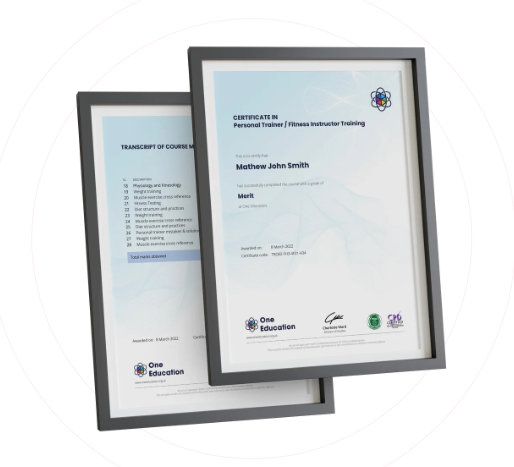
  • Certificate and transcriptTranscript
  • Audited and Updated: 31st Oct 2026
Get all 23 courses Enrol now

One payment. No subscription. 14-day money-back guarantee.

Is This Bundle Right for You?

Anyone aged 16 or over can enrol. It's fully online and self-paced, so it fits around whatever else your week already holds.

Career Starters

You're new to projects and want a clear map of planning, scheduling, budgeting and delivery.

Changing Career

You're moving into project management from operations, IT, finance or another field and want structured learning.

Project Coordinators

You support projects day-to-day and want to build the knowledge to manage your own with confidence.

Quality Professionals

You work on quality, process improvement or operations and want Six Sigma, Lean and root cause skills alongside project delivery.

Where the role leads

Average UK salary ranges for roles this bundle relates to. Completing it doesn't guarantee employment or a specific salary.

  • Business Analyst

    £23k to £55k

  • IT Project Manager

    £35k to £60k

  • Business Project Manager

    £29k to £75k

Framed One Education CPD certificate and transcript

Your Proof of Achievement Awaits Get Certified Today.

Pass the final exam and download your CPD-accredited certificate straight away, free. Prefer it on paper? We'll post you a printed copy.

Digital CPD certificateIncluded, worth £9
Printed hard copy, posted to you18
Mock and Final Exam After Each Course (Retake Cost Covered)Included
Accredited certificate direct from CPDQSOptional

A Million Learners & So Many Good Reviews Can't Be Wrong.

Trustpilot

4.2Great

Excellent 1,912 reviews
"Thanks very much for giving me a chance to take the course. Not only can I enhance my knowledge of childcare, but the content will definitely help me master my skills of teaching phonics to children, not least the dyslexic ones."
Wiba Tang
The experience was great. The documents are very clearly and understanding.
Ana Patricia Capitao
Convenience and easy access online of work. Im very comfortable of this course and the support.
Manisha Supersad

Trusted by teams

Employees at 100+ Businesses Trust Us

Helping professionals build new skills through trusted training programmes.

  • British Library
  • British Athletics
  • York St John University
  • Warwickshire County Council
  • University of East Anglia
  • Co-op
  • Staffordshire County Council
  • Sport 4 Life UK
  • NHS
  • Siemens

How This Bundle Works?How this Bundle Works?

Anyone aged 16 or over can enrol. It's fully online and self-paced, so it fits around whatever else your week already holds.

  1. 01Enrol in two minutes
  2. 02Get instant access
  3. 03Learn at your pace
  4. 04Pass and get certified
14 days money back guarantee

If You Don't Feel Sure, We've Got You Covered

Tell us within 14 days of enrolling and we'll refund you in full.
No forms, no argument.

Enrol with confidenceEnrol and get certified

Questions before you enrol

The Project Management Career Bundle includes 23 courses covering project management, Agile and Scrum, PRINCE-style methods, Six Sigma, Lean, risk, cost control, change and business analysis. It helps learners build the knowledge needed to plan, deliver and improve projects.
This bundle suits career starters, project coordinators, team leaders, career changers and quality or operations professionals. It also helps anyone who wants to add Agile, Six Sigma or risk and cost control skills to their current role.
The bundle includes introductory and advanced courses so that learners can start with the fundamentals. Some advanced courses, such as Lean Six Sigma Black Belt, may be easier to follow with workplace experience.
You'll explore project planning and delivery, Agile and Scrum, Six Sigma and Lean, root cause analysis, quality assurance, risk and crisis management, change management, cost control and project scheduling, commercial management, business analysis, product management and operations management.
The bundle is available for a one-off payment of £149.00, reduced from £199.00. You save £50 and receive all 23 courses at the stated bundle price.

Why Wait? Invest in Yourself Today.
Complete Your Enrollment to Get Access.

Fill in your details below and you will receive instant access to every course in the bundle, along with your dashboard login and receipt by email.

1. Choose your course

2. Your details

3. Payment

  • PayPal
  • Stripe
  • Google Pay
  • Apple Pay
  • Visa
  • Mastercard
  • American Express
  • Pay with Link
  • Discover