Environmental Engineering

Environmental Engineering focuses on sustainable solutions for pollution control, water and waste management, air quality improvement, and resource conservation, protecting ecosystems and public health while supporting environmentally responsible development worldwide.


Environmental Engineering
qls cpdacree ukrlp 24hs fullonline 14days

Get access to 5000+ courses including this for only £49. Learn More.

Overview of Environmental Engineering

Environmental Engineering is an interdisciplinary course focusing on sustainability, climate change, environmental impact, and ecological conservation. It equips students with skills in Waste Management, Water Treatment, Air Pollution Control, and Environmental Monitoring to solve real-world environmental challenges through innovative and practical engineering solutions.

This Environmental Engineering curriculum covers Water Treatment, Waste Management, Soil Remediation, Renewable Energy, and Air Pollution Control. Students study Environmental Law, Sustainable Development, Groundwater Hydrology, and Environmental Impact assessment, gaining technical knowledge from wastewater treatment to solar energy and modern recycling systems.

Graduates in Environmental Engineering pursue careers in sustainability, climate change mitigation, environmental monitoring, ecological conservation, waste management, and renewable energy industries. They work in water treatment plants, air pollution control systems, and soil remediation projects, contributing to global environmental protection and sustainable development solutions.

The course was audited and updated on: 13th April, 2026

Learning Outcomes of Environmental Engineering

Method Of Assessment​

Learners complete an assignment designed to evaluate their understanding of the course content. The assignment is reviewed by qualified tutors who provide personalised feedback, allowing learners to demonstrate their applied knowledge and skills.

Certification

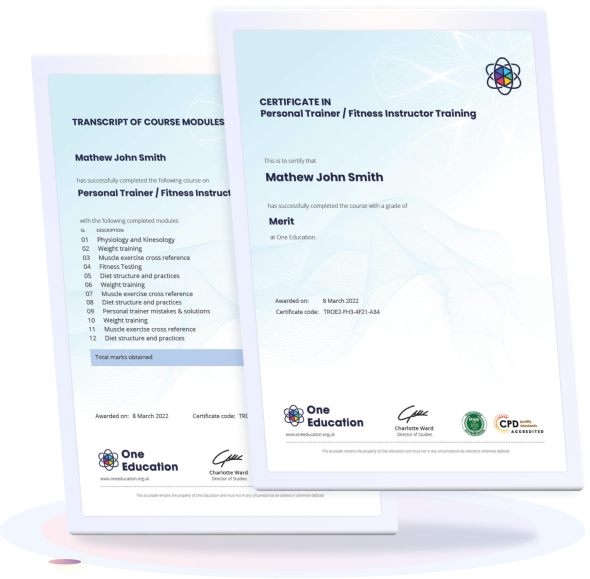
one education Certificate

After completing the Environmental Engineering course assessment, you will be eligible to receive a CPD-accredited certificate worth £9 from One Education to demonstrate your achievement.

The certificate is also available as a printed hard copy delivered by post for £15.

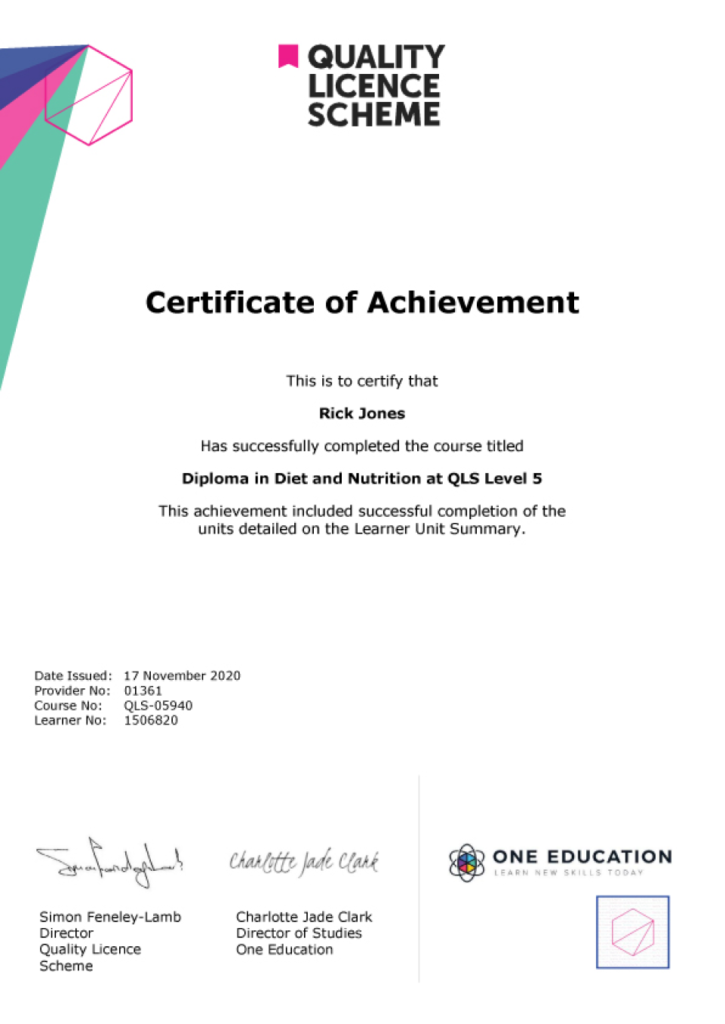
EXAMPLE - QLS Certificate 2020 1

Quality Licence Scheme Endorsed Certificate

Learners also have the option to order a Quality Licence Scheme (QLS) Endorsed Certificate as additional proof of achievement. The QLS Endorsed Certificate can be delivered by post for £79, with an additional £10 postage charge for international students.

Endorsement

This course has been endorsed by the Quality Licence Scheme for its high-quality, non-regulated provision and training programmes. This course is not regulated by Ofqual and is not an accredited qualification. Your training provider will be able to advise you on any further recognition, for example progression routes into further and/or higher education. For further information please visit the Learner FAQs on the Quality Licence Scheme website.

Why Study This Environmental Engineering Course?

Environmental Engineering focuses on developing solutions to protect natural resources and reduce pollution. It helps learners understand water treatment, waste management, and sustainable design practices that support environmental conservation and public health.

Studying Environmental Engineering builds strong technical and analytical skills for addressing environmental challenges. It prepares professionals to design eco-friendly systems, comply with regulations, and contribute to sustainable development across industries and infrastructure projects.

Course Duration

The “Environmental Engineering” course has a total study time of 6 days and 5 hours. Learners can complete the programme at a flexible pace, allowing them to manage their study schedule effectively while developing a strong understanding of environmental engineering principles and applications.

Requirements

Requirements for the Environmental Engineering course are straightforward and accessible. Learners should have basic science and math skills, analytical thinking, and an interest in environmental protection and sustainability. The course is fully online and can be accessed from any internet-enabled device, allowing flexible, self-paced learning from anywhere.

Career Path

Frequently Asked Questions

It is the branch of engineering that focuses on protecting the environment and improving sustainability.

They work on pollution control, waste management, water treatment, and environmental protection.

It helps reduce pollution and protect natural resources for future generations.

Technical knowledge, problem-solving, environmental science, and analytical skills.

You can work in government agencies, NGOs, construction, and environmental consultancy.

Yes, it has strong demand and supports global sustainability efforts.

Course Curriculum

Module 01: Introduction to Environmental Engineering
Introduction to Environmental Engineering 00:20:00
Module 02: Environmental Pollutions
Environmental Pollutions 00:14:00
Module 03: Wastewater Treatment
Wastewater Treatment 00:16:00
Module 04: Drinking Water and Groundwater Treatment
Drinking Water and Groundwater Treatment 00:10:00
Module 05: Groundwater Hydrology
Groundwater Hydrology 00:16:00
Module 06: Air Pollution
Air Pollution 00:16:00
Module 07: Solar Energy
Solar Energy 00:16:00
Module 08: Waste Disposal and Recycling
Waste Disposal and Recycling 00:16:00
Module 09: Land Management
Land Management 00:20:00
Module 10: Environmental Law
Environmental Law 00:18:00
Module 11: Sustainable Development
Sustainable Development 00:12:00
Assignment
Assignment – Environmental engineering 6 days, 3 hours
Order Your Certificate
Order Your Certificate QLS 00:00:00
Environmental Engineering
top
Copyright © 2026 One Education © Edukators London Ltd.