Introduction to Accounting

  • Bestseller
  • Instructor Unique
  • Video Training

Learn essential accounting fundamentals including double entry, financial statements, accounting policies, depreciation, inventory, revenue, expenses, and internal controls to support accurate records and business decisions.


Introduction to Accounting
qls cpdacree ukrlp 24hs fullonline 14days

Get access to 5000+ courses including this for only £49. Learn More.

Overview of Introduction to Accounting

Introduction to Accounting provides a practical foundation in Accounting Basics, covering Financial Accounting, Bookkeeping, and essential Accounting Principles. Learners explore the accounting equation, double-entry bookkeeping, chart of accounts, transactions, and the processes used to prepare accurate financial statements.

Build essential Accounting Skills through practical lessons on Ledger Management, account classification, and Financial Statements. This course explains how businesses manage internal and external transactions while introducing Balance Sheets, accounting processes, and fundamental concepts needed to understand business financial information.

Develop a stronger understanding of accounting policies and controls, including depreciation, fixed assets, inventory, revenue, expenses, and working capital. With a focus on Double-Entry Bookkeeping, Cash Flow, and effective financial controls, this course supports learners seeking practical knowledge of modern accounting and bookkeeping.

The course was audited and updated on: 20th August, 2026

Learning Outcomes of Introduction to Accounting

Method Of Assessment​

Learners complete an assignment designed to evaluate their understanding of the course content. The assignment is reviewed by qualified tutors who provide personalised feedback, allowing learners to demonstrate their applied knowledge and skills.

Certification

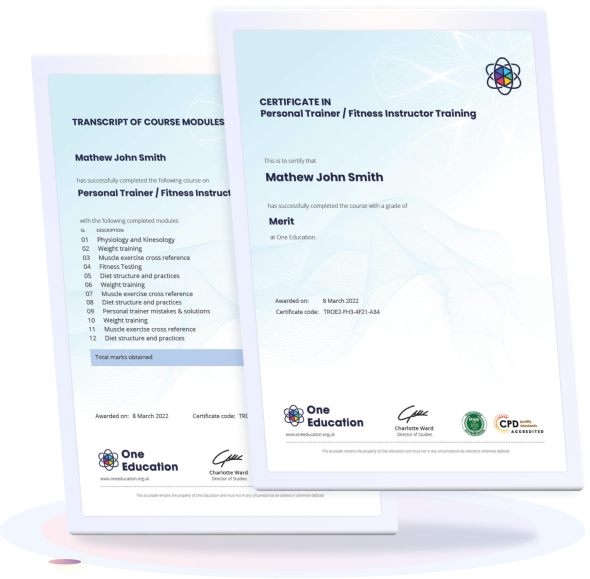
one education Certificate

After completing the Introduction to Accounting course assessment, you will be eligible to receive a CPD-accredited certificate worth £9 from One Education to demonstrate your achievement.

The certificate is also available as a printed hard copy delivered by post for £15.

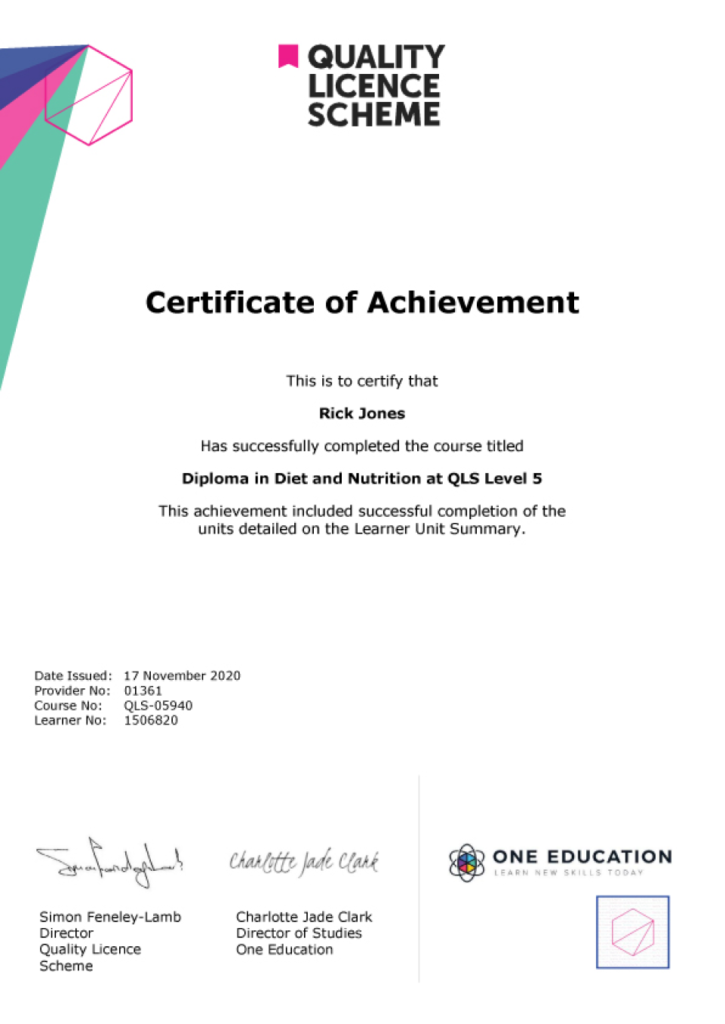
EXAMPLE - QLS Certificate 2020 1

Quality Licence Scheme Endorsed Certificate

Learners also have the option to order a Quality Licence Scheme (QLS) Endorsed Certificate as additional proof of achievement. The QLS Endorsed Certificate can be delivered by post for £89, with an additional £10 postage charge for international students.

Endorsement

This course has been endorsed by the Quality Licence Scheme for its high-quality, non-regulated provision and training programmes. This course is not regulated by Ofqual and is not an accredited qualification. Your training provider will be able to advise you on any further recognition, for example progression routes into further and/or higher education. For further information please visit the Learner FAQs on the Quality Licence Scheme website.

Why Study This Introduction to Accounting Course?

Accounting provides the foundation for understanding how businesses record, organise, and interpret financial information. This course introduces learners to Accounting Basics, Financial Accounting, Bookkeeping, Accounting Principles, Double-Entry Bookkeeping, Ledger Management, and the preparation of essential Financial Statements.

Studying accounting fundamentals can build practical financial knowledge and confidence. Learners can develop essential Accounting Skills, understand Balance Sheets and Cash Flow, manage ledger entries, and gain a strong foundation for further study or practical roles involving bookkeeping, financial administration, and business accounting.

Course Duration

The Introduction to Accounting course has a total study timeframe of 1 week, 2 days. Learners can work through the programme at a flexible pace, developing foundational skills in accounting, financial accounting, bookkeeping, accounting principles, financial statements, ledger management, double-entry bookkeeping, balance sheets, cash flow, and essential accounting skills.

Requirements

The Introduction to Accounting course has no formal entry requirements, making it suitable for beginners and aspiring accounting professionals. An interest in accounting, bookkeeping, financial transactions, financial statements, ledger management, and basic business finance is beneficial. Good English, basic numeracy and computer skills, and reliable internet access are recommended for effective online learning.

Career Path

Frequently Asked Questions

1. What is the Introduction to Accounting course?
The Introduction to Accounting course provides learners with a practical foundation in accounting concepts and financial processes. It covers Accounting Basics, Financial Accounting, Bookkeeping, Accounting Principles, Financial Statements, Ledger Management, Double-Entry Bookkeeping, Balance Sheets, Cash Flow, and Accounting Skills.

2. Who is the Introduction to Accounting course suitable for?
The course is suitable for beginners, aspiring accountants, business owners, entrepreneurs, finance professionals, students, administrators, and anyone who wants to develop a fundamental understanding of Financial Accounting, Bookkeeping, and essential Accounting Skills.

3. What will I learn from this accounting course?
You will explore fundamental accounting concepts, financial accounting principles, bookkeeping processes, accounting records, and financial reporting. The course helps learners understand how financial information is recorded, organised, and presented through Financial Statements.

4. Is Introduction to Accounting suitable for complete beginners?
Yes. The course is designed to introduce fundamental accounting concepts and terminology, making it suitable for learners with little or no previous accounting experience. It provides a foundation for developing confidence in Bookkeeping and Financial Accounting.

5. What are Accounting Basics?
Accounting Basics are the fundamental concepts and processes used to record, classify, summarise, and interpret financial transactions. Understanding these principles provides a foundation for more advanced Financial Accounting and Bookkeeping.

6. What is Financial Accounting?
Financial Accounting focuses on recording and reporting an organisation’s financial transactions. It helps produce reports such as Balance Sheets, income statements, and Cash Flow information that can support financial decision-making.

Course Curriculum

Introduction to Accounting
Section 01: Accounting Fundamental
Lecture-1.What is Financial Accounting 00:13:00
Lecture-2. Accounting Double Entry System and Fundamental Accounting Rules 00:10:00
Lecture-3.Financial Accounting Process and Financial Statements Generates 00:14:00
Lecture-4.Basic Accounting Equation and Four Financial Statements 00:21:00
Lecture-5.Define Chart of Accounts and Classify the accounts 00:07:00
Lecture-6. External and Internal Transactions with companies 00:12:00
Lecture-7.Short Exercise to Confirm what we learned in this section 00:06:00
Section 02: Accounting Policies
Lecture–8.What are Major Accounting Policies need to be decided by companies 00:06:00
Lecture-9.Depreciation Policies 00:12:00
Lecture-10.Operational Fixed Asset Controls 00:13:00
Lecture-11.Inventory Accounting and Controls 00:11:00
Lecture-12.Revenue Accounting and Controls 00:08:00
Lecture-13.Expenses Accounting and Working Capital 00:12:00
Assignment
Assignment – Introduction to Accounting 3 days, 16 hours
Recommended Materials
Workbook – Introduction to Accounting 5 days, 10 hours
Order Your Certificate
Order Your Certificate QLS 00:00:00
Thanks for learning with us, we appreciate your feedback.
We Appreciate Your Feedback 00:00:00
Introduction to Accounting
top
Copyright © 2026 One Education © Edukators London Ltd.