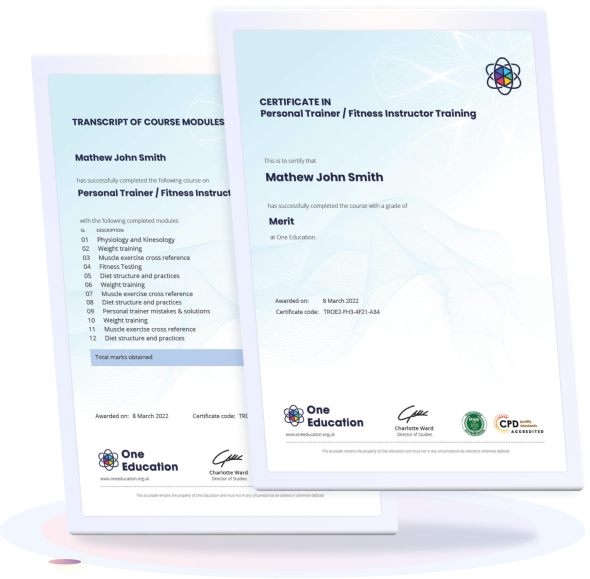
PIC Microcontroller Simulation

PIC microcontroller simulation helps learners design, test, and debug embedded systems virtually, improving programming skills, circuit understanding, and real-world project development without needing physical hardware.
PIC Microcontroller Simulation

Get access to 5000+ courses including this for only £49. Learn More.

Overview of PIC Microcontroller Simulation

PIC microcontroller simulation introduces embedded systems through Proteus simulation and MPLAB IDE, focusing on microcontroller programming, circuit simulation and virtual prototyping with clear setup, interfaces and board schematics basics workflows.

Learners explore PIC assembly language and C programming for PIC using coding examples, simulation boards and practical simulation to develop diagnostic testing techniques, hardware debugging skills and circuit behaviour analysis.

Advanced modules cover LCD interfacing, relay control, seven segment displays, PWM components and temperature systems, strengthening sample collection and analysis concepts through hands-on Proteus-based circuit simulation workflows for reliable designs.

Learning Outcomes of PIC Microcontroller Simulation

Method Of Assessment​

Learners complete an assignment designed to evaluate their understanding of the course content. The assignment is reviewed by qualified tutors who provide personalised feedback, allowing learners to demonstrate their applied knowledge and skills.

Certification

one education Certificate

After completing the PIC Microcontroller Simulation assessments, learners qualify for a CPD QS accredited certificate from One Education.

The certificate is available in two formats: a PDF version for £9 or a printed hard copy delivered by post for £15.

Why Study This PIC Microcontroller Simulation?

Interest in embedded systems and microcontroller technology continues to rise across electronics, automation, and smart device development. Understanding PIC microcontroller simulation allows learners to explore circuit behaviour, coding structure, and system responses within a controlled digital environment.

Studying PIC Microcontroller Simulation online strengthens technical awareness, supports logical programming development, and demonstrates commitment to modern electronics knowledge. CPD recognition also adds credibility to your profile, helping you stand out in technology-focused career pathways.

Course Duration

The PIC Microcontroller Simulation course features a total running time of 1 hour and 48 minutes, offering a concise yet focused learning experience. Designed for flexible online study, learners can progress through each module at their own preferred pace, allowing the content to fit comfortably around personal and professional commitments while completing the course within a convenient timeframe.

Requirements

The PIC Microcontroller Simulation course is open to anyone with a basic interest in electronics, embedded systems, or programming concepts. Learners should be comfortable using a computer and navigating simple software tools, as the training is delivered entirely through an online platform. With access to an internet-enabled device and a willingness to explore simulation environments and coding examples, you can study flexibly at your own pace from any location.

Career Path

Frequently Asked Questions

PIC microcontroller simulation is a virtual method of testing microcontroller circuits and code using specialised software before applying them to physical hardware.

Simulation helps identify coding errors, wiring issues, and logic faults early, saving time, cost, and development effort during embedded system design.

Popular tools include Proteus for circuit simulation and MPLAB IDE for writing, compiling, and debugging PIC microcontroller programs.

Basic understanding of C programming or microcontroller concepts is helpful, but many courses begin with introductory lessons suitable for beginners.

Simulation provides accurate virtual testing, but final validation on real hardware is still recommended for full performance and reliability assurance.

PIC microcontrollers are typically programmed using Embedded C, assembly language, and compiler-based development environments such as MPLAB.

Course Curriculum

Section 1: Introduction and Getting Started
Unit 1: Introduction 00:04:00
Unit 2: Instructor’s Introduction 00:03:00
Section 2: Simulation Software + Code Examples and Board Schematics
Unit 1: Download and Install Simulation Software 00:05:00
Section 3: Simulation Interface
Unit 1: Interface Explained 00:07:00
Unit 2: Interface Menu Explained in Details 00:11:00
Unit 3: Main Window Commands 00:04:00
Section 4: Simulation Boards
Unit 1: MCLab1 for PIC16F84, PIC16F628 or PIC16F648 00:10:00
Unit 2: MCLab2 for PIC16F and PIC18F 00:06:00
Unit 3: PIC Genios Board and Arduino Board 00:09:00
Section 5: Coding Examples Using Different Compilers
Unit 1: Coding Examples Using Different Compilers 00:12:00
Section 6: Practical Simulation
Unit 1: Buttons and LEDs Reading Input and Writing Output 00:07:00
Section 7: LCD Interfacing and Simulation
Unit 1: LCD Interfacing and Simulation 00:06:00
Section 8: Relay Interfacing with PIC Microcontroller
Unit 1: Relay Interfacing with PIC Microcontroller 00:06:00
Section 9: 7 Segment Interfacing and Simulation
Unit 1: 7 Segment Simulation 00:10:00
Section 10: Buzzer Temperature Fan Heater and PWM Simulation Components
Unit 1: Buzzer Temperature Fan Heater and PWM Simulation Components 00:08:00
Assignment
Assignment – PIC Microcontroller Simulation 00:00:00
top
OE Footer
Home Search Cart