15 EYFS Phonics Activities for Preschool Children

November 26, 2026 | By Michael Hansen | 25 minutes | 425 Readers

Fifteen play-based EYFS phonics activities for preschool children, from sound walks and rhyming baskets to robot talk, with simple steps and ideas for adapting each game.

rating

Bestselling Course

View Details 93% OFF

One child listens to birdsong on a nursery walk. Another finishes a favourite rhyme. Both are noticing sounds through play.

The best EYFS phonics activities for preschool fit naturally into play. Sound walks, rhyming baskets, body percussion and sound-matching games invite children to listen, experiment with language and participate at their own pace.

These 15 activities are designed mainly for children aged 3–4, with adaptations for each one. Practitioners who want to build their wider teaching knowledge may also find One Education’s EYFS and Phonics Teaching Diploma relevant to their professional development.

EYFS Phonics Activities at a Glance: Which Game Should You Choose?

Choose activities according to the children, the space and the sounds they already notice. No fixed order is needed.

What you want to encourageActivities to trySimple resources
Listening carefullySound Walk, Mystery Sound Bag, Listening BingoOutdoor sounds, familiar objects, pictures
Comparing soundsMusical Instrument Matching, Sound-and-Move FreezeShakers, drums or recorded sounds
Noticing rhyme and rhythmRhyming Basket, Body Percussion, Nursery Rhyme PauseSongs, pictures and hands
Hearing parts of wordsName Syllable Claps, Silly Sound Soup, Starting-Sound MatchNames, objects and picture cards
Playing with spoken soundsVoice-Sound Copycat, Robot TalkVoices and familiar words
Connecting known sounds with lettersLetter–Sound Treasure HuntPreviously introduced letters and objects

For broader principles beyond individual games, see phonics teaching in EYFS.

Loading…

All 15 activities at a glance
Listening carefully
Games
Sound Walk, Mystery Sound Bag, Listening Bingo
Resources
Outdoor sounds, familiar objects, pictures
Comparing sounds
Games
Musical Instrument Matching, Sound-and-Move Freeze
Resources
Shakers, drums or recorded sounds
Noticing rhyme and rhythm
Games
Rhyming Basket, Body Percussion, Nursery Rhyme Pause
Resources
Songs, pictures and hands
Hearing parts of words
Games
Name Syllable Claps, Silly Sound Soup, Starting-Sound Match
Resources
Names, objects and picture cards
Playing with spoken sounds
Games
Voice-Sound Copycat, Robot Talk, Story Sound Effects
Resources
Voices, familiar words, a picture book
Connecting known sounds with letters
Games
Letter–Sound Treasure Hunt
Resources
Previously introduced letters and objects

What Should Preschool Phonics Activities Focus On?

In England, the EYFS statutory framework sets the requirements for early years learning, development and care. The Department for Education’s non-statutory Development Matters guidance identifies rhyming, clapping syllables and recognising words with the same initial sound among relevant experiences for 3- and 4-year-olds.

Infographic showing five preschool sound-play activities: listening, rhythm and rhyme, starting sounds, oral blending and familiar letter sounds.

Many preschool phonics games develop phonological awareness: noticing sounds in spoken language. Phonics specifically links speech sounds with letters. The two are related but distinct. The distinction is covered separately in the difference between phonological awareness and phonics.

Listening and Sound Games for Preschool Children

Start with familiar sounds and give children time to listen before expecting a response.

1. Go on a Sound Walk

You’ll need: A familiar indoor or outdoor space.

Walk around the nursery or garden, pausing to listen. Ask, “What can you hear?” Children might notice footsteps, birds, running water or a door closing. Compare nearby and distant sounds.

Adapt it: Offer picture choices or let children point towards a sound instead of naming it. Choose a quieter route for anyone who finds busy environments overwhelming.

2. Play the Mystery Sound Bag Game

You’ll need: An opaque bag and several safe, familiar sound-making objects.

Out of sight, shake keys, crinkle paper or tap a wooden block. Invite guesses before revealing the object. Compare two sounds.

Adapt it: Show two possible objects first, then make one sound for children to match. Check that all items are age-appropriate, with no accessible choking hazards.

3. Match the Musical Instrument Sounds

You’ll need: Pairs of shakers, bells or drums, or short recordings.

Introduce contrasting instruments. Play one behind a screen and invite children to choose its match. Later, try similar sounds. Use words such as loud, quiet, fast and slow.

Adapt it: Keep instruments visible or encourage children to feel the beat of a drum while an adult plays.

4. Try Listening Bingo

You’ll need: Picture cards showing familiar sounds, such as a dog, a clock or rain.

Give children a few cards. Make or play a sound; they point to the matching picture. Discuss their choices without making it a race.

Adapt it: Use just two pictures initially. Children can point, look towards or hold up their choice without needing to speak.

Rhythm, Rhyme and Syllable Games for EYFS

Rhythm and rhyme fit into songs and group time. The Education Endowment Foundation’s Preparing for Literacy guidance highlights songs, storytelling, nursery rhymes and adult–child interaction in early language and literacy provision.

5. Clap the Syllables in Children’s Names

You’ll need: Just names and hands.

Say a child’s name, then clap its beats: “A-mi-ra” has three claps; “Sam” has one. Try ba-na-na or ta-ble, then invite another suggestion.

Adapt it: Tap a table or move a hand for each beat. Avoid making children perform their name in front of a group if they would rather listen.

6. Make a Rhyming Basket

You’ll need: Objects or pictures with familiar rhyming names.

Pair a cat with a hat, or a boat with a goat. Say each word and invite children to match rhyming endings. Welcome silly suggestions.

Adapt it: Offer one obvious rhyming pair at a time. Children who are ready can invent their own rhymes, including nonsense words.

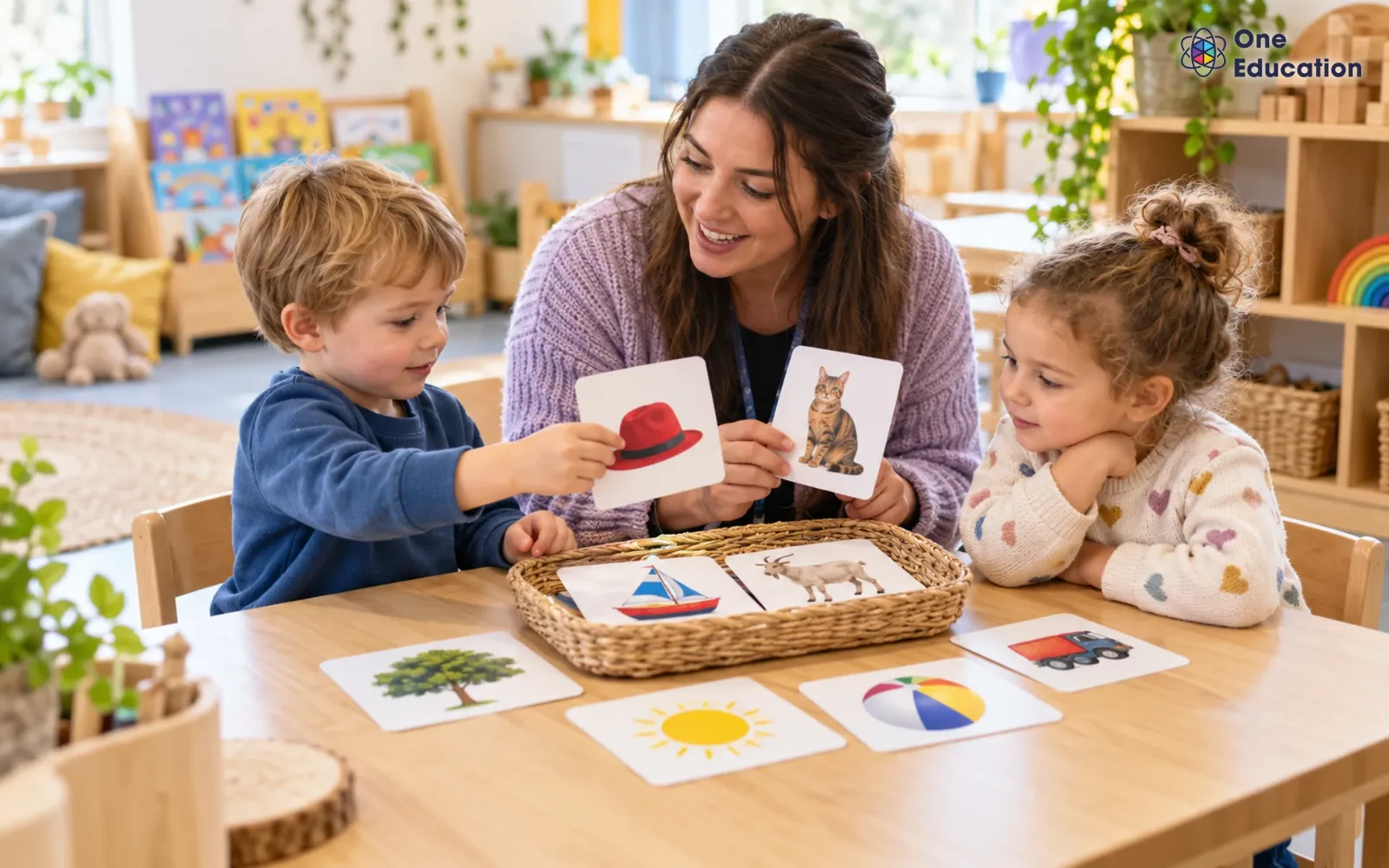
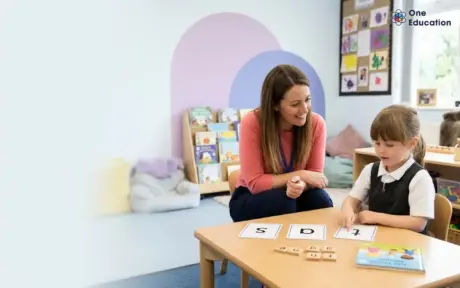
Nursery practitioner helping preschool children match rhyming picture cards during an EYFS language activity.

7. Copy a Body Percussion Pattern

You’ll need: No equipment.

Clap twice, then pat your knees. Children copy and take turns leading. Start with short patterns before changing the speed.

Adapt it: Use seated movements, gentle taps or a visual demonstration. The purpose is joining in and noticing rhythm, not copying every beat perfectly.

8. Finish a Familiar Nursery Rhyme

You’ll need: A rhyme or song the children know.

Sing a familiar line and pause before its final word. Let children complete it, using a puppet or gesture if helpful. Repeat the rhyme.

Adapt it: Accept a gesture, facial expression or movement as participation. Avoid turning the pause into a test of memory.

Games for Initial Sounds, Voices and Oral Blending

Use familiar names and objects to draw attention to speech sounds. Oral blending can come later.

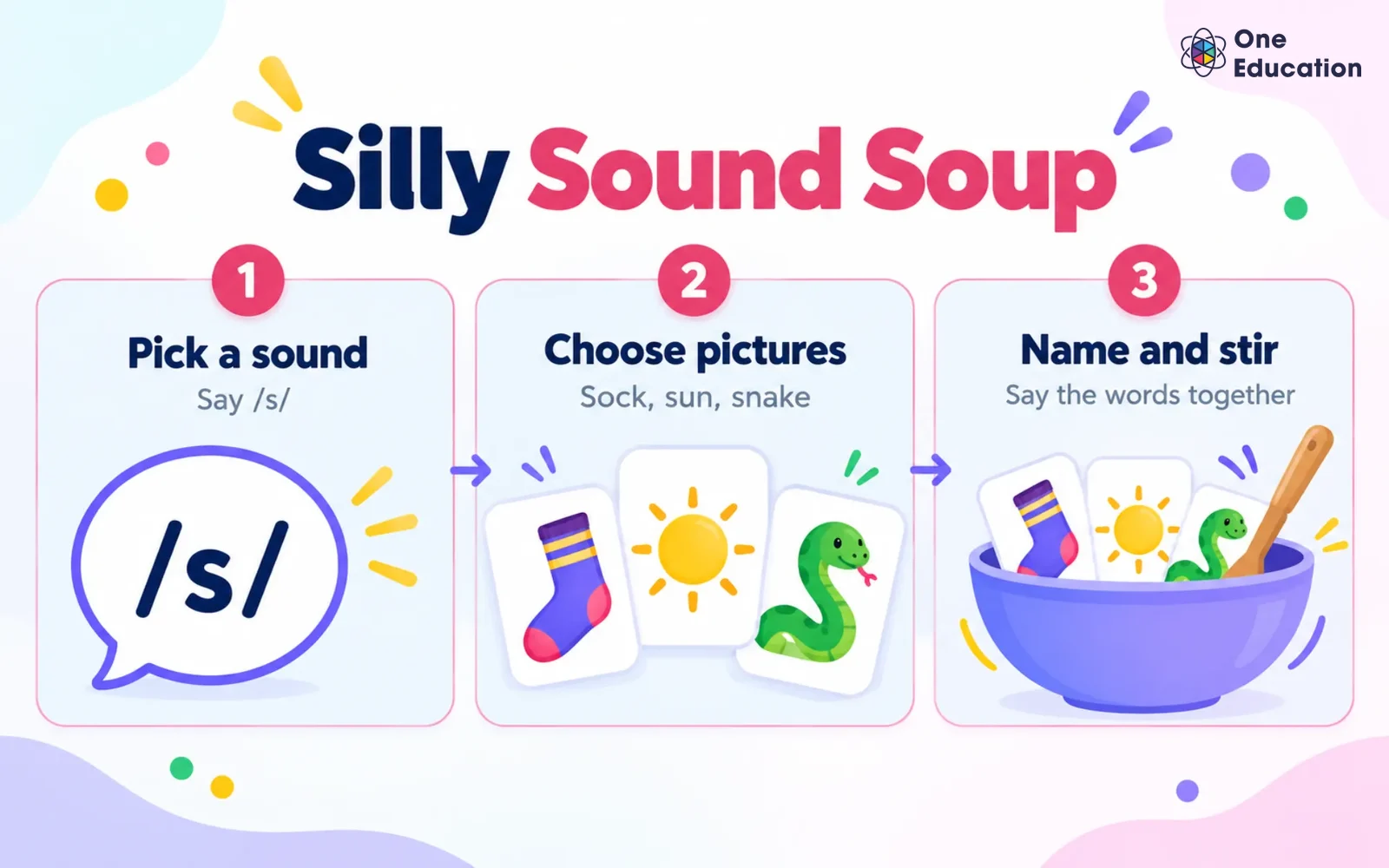
9. Make Silly Sound Soup

You’ll need: A bowl, spoon and safe objects or pictures.

Pretend to cook with things beginning with the same sound. For a /s/ soup, choose pictures of a sock, sun and snake. Say each name and emphasise its initial sound, then stir.

Adapt it: Start with two pictures and model the sound yourself. Children can add an ingredient without having to explain their choice.

Three-step Silly Sound Soup activity showing how preschool children select pictures beginning with the same sound.

10. Match Words with the Same Starting Sound

You’ll need: Familiar object pictures or name cards.

Say Mia and moon, drawing attention to /m/. Match their pictures, then offer another word to sort.

Adapt it: Use pictures from children’s own interests and model the answer when needed. Focus on the sound heard, not the first written letter.

11. Play Voice-Sound Copycat

You’ll need: Just your voices.

Make an animal noise, hum, or imitate a vehicle. Invite children to lead and everyone to copy. Compare a long sound with a short one, or a soft sound with a louder one.

Adapt it: Children can choose a picture for an adult to voice or copy the accompanying movement instead.

12. Try Robot Talk with Familiar Words

You’ll need: Pictures of simple, familiar objects.

Say the sounds in sun separately, without adding “uh” to the consonants, then blend them into the word. Show its picture and repeat with another word.

Adapt it: Let children listen and choose between two pictures. This is an optional extension, not something every preschool child is expected to do.

Questions about developmental timing are better addressed by considering when phonics should start in the EYFS.

Movement, Storytelling and Early Letter–Sound Games

Movement and stories provide other ways to participate. The final activity below is for children already beginning to connect a familiar sound with its written letter.

13. Play the Sound-and-Move Freeze Game

You’ll need: A clear, safe space and an agreed sound signal.

Children move gently while you tap. When the tapping stops, everyone freezes. Change the signal or invite a leader.

Adapt it: Use seated hand movements or a visible stop sign alongside the sound. Keep the emphasis on listening and participation rather than speed.

14. Create Sound Effects for a Story

You’ll need: A familiar picture book and a few instruments or everyday objects.

Choose a repeated event, such as rain or knocking. Children make its sound each time it appears. Pause to let them respond.

Adapt it: Provide a visual cue or let children make the sound with their voices. Keep the story itself central.

15. Try a Letter–Sound Treasure Hunt

You’ll need: A letter already introduced to the children and matching pictures or objects.

Show a familiar m and say /m/. Children find a picture of a moon or another matching object. Say its name together.

Adapt it: Keep one letter and two choices available. Children not yet working with letters can do an object-only initial-sound hunt instead.

How to Adapt EYFS Phonics Activities for Different Children

An accessible activity allows different ways to respond.

Make Activities Accessible for Children with SEND or EAL

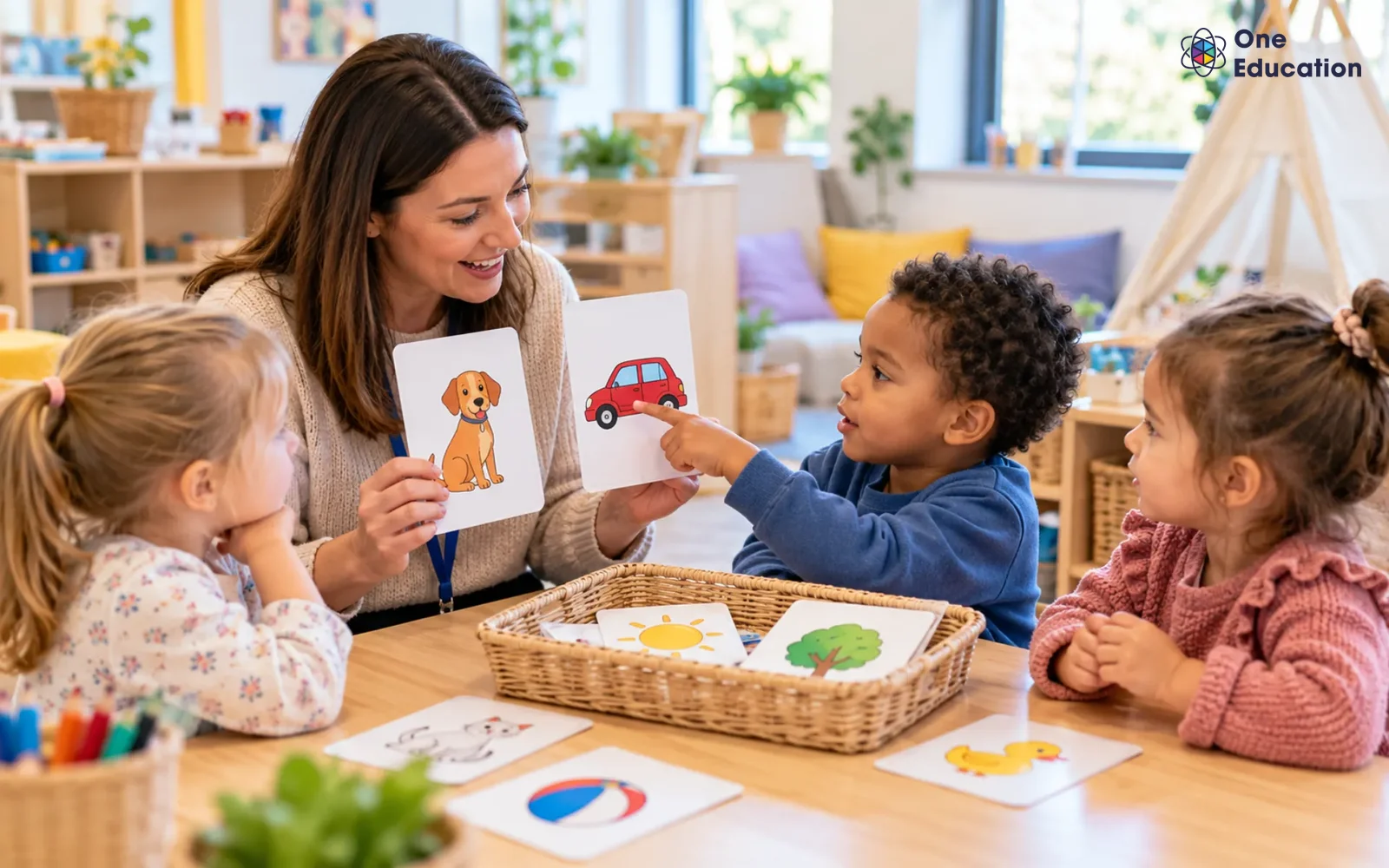
EYFS practitioner using picture cards to support preschool children taking part in an inclusive sound-matching activity.

Use pictures, objects, gestures and repeated demonstrations before asking for spoken answers. A child might show that they recognise a sound by looking, pointing or choosing an object. Offer quieter spaces, manageable group sizes or alternative sensory experiences where helpful. For children with hearing differences, plan communication access with the child’s usual support arrangements rather than relying solely on auditory cues.

Children learning English as an additional language should be able to participate through familiar experiences and their home languages. The Department for Education’s guidance on English as an additional language recommends meaningful language modelling and including songs and stories from home languages. EAL and SEND are different considerations; adaptations should be individual.

Notice Which Activities Children Respond To

Pay attention to what sparks conversation, curiosity or repeated participation. A child who enjoys sound walks might respond to a listening game using familiar classroom noises. Another might prefer songs with actions. Repeat popular games and make small changes when children are ready.

Observation informs the next game; it is not formal assessment. More detail belongs in assessing early phonics skills.

Making Preschool Phonics Part of Everyday Play

The most useful preschool phonics activities do not need elaborate equipment or a rigid timetable. A familiar rhyme, a short sound game or a well-timed conversation can make listening and language part of the nursery day. Start with children’s interests, then adapt as their confidence grows.

For practitioners interested in developing their wider EYFS and phonics knowledge, One Education’s EYFS and Phonics Teaching Diploma offers online CPD-focused study. Its certificate supports professional development but does not replace a regulated teaching qualification.

Plan Phonics Play With More Confidence
93% Discount Offer

Plan Phonics Play With More Confidence

For nursery staff and teaching assistants who want to understand how EYFS learning and early phonics fit together.

  • Support children’s learning and development
  • Systematic assessment and record keeping
  • Certificate and transcript after the final exam
93% OFF£29.00£425.00
Enrol Now for £29.00
Accredited certificate available from CPDQSSelf-paced online study
FAQs

Start with a sound walk, a familiar nursery rhyme or a short body-percussion game. These need little preparation and give children a chance to listen, imitate and respond. Choose one that connects with their interests rather than introducing several new games at once.

Rhyming baskets, name syllable claps, songs with repeated phrases and simple initial-sound games can work well for 3-year-olds. Children develop at different rates, so model the activity, allow different ways of joining in and repeat familiar games when they remain enjoyable.

Yes. Most of these games need only voices, songs, movement, familiar objects or pictures. Listening to rain, matching two rhyming words or clapping a name can all happen naturally during play. Worksheets are not necessary for these experiences.

Phase 1 refers to listening and spoken-sound activities from the original Letters and Sounds Phase One programme. Examples include environmental and instrumental sounds, rhythm, rhyme, alliteration, voice sounds and oral blending. The original publication is historical and withdrawn; Phase 1 is not a separate statutory EYFS requirement.

Absolutely. Families can sing favourite rhymes, notice sounds on a walk, clap names at the dinner table or play guessing games with everyday objects. Keep the activities relaxed and follow the child’s interest. A shared, enjoyable exchange is more useful than insisting on a perfect answer.

top
Home Courses Search

Chat with us