Classroom Management Training for Better Teaching

November 21, 2026 | By Sophie Williams | 10 minutes | 3 Readers

Explore classroom management training covering behaviour, lesson planning and inclusive pupil support. Discover how clear routines and teacher–TA collaboration support learning in primary and secondary schools.

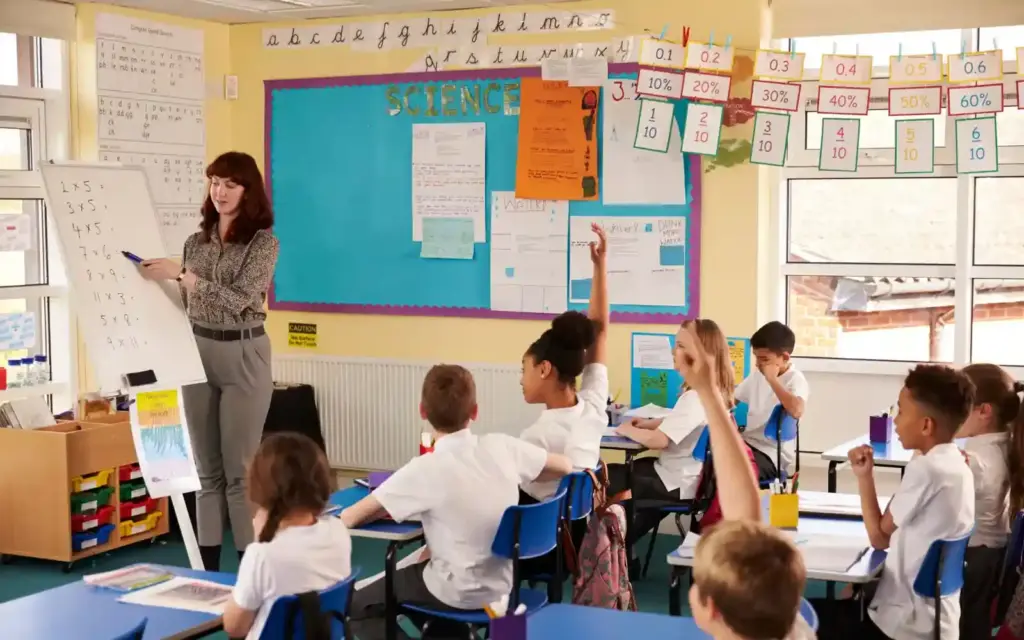
Teacher explaining multiplication while pupils raise their hands.

A busy classroom brings together different personalities, learning needs and expectations. One pupil may need reassurance before starting an activity. Another may finish quickly and lose interest. Teachers and teaching assistants need to understand these differences while keeping the wider lesson moving.

Classroom management training helps learners explore the connections between teaching, behaviour and pupil support. It can provide a useful foundation for aspiring school staff and support further learning among existing educators.

This guide explains the subjects worth exploring, how they relate to primary and secondary settings, and what to consider when choosing an online bundle.

Why Classroom Management Training Matters

Classroom disruption can affect the time available for teaching. In the Department for Education’s May 2025 School and College Voice report, 41% of primary teachers said misbehaviour interrupted all or most lessons during the previous week.

That finding concerns surveyed teachers in England; it does not describe every school. However, it illustrates why understanding classroom behaviour management remains relevant to everyday educational work.

Preparation involves more than responding when something goes wrong. Staff also need to consider explanations, transitions, resources and relationships. These elements influence whether pupils understand what they are expected to do.

For example, a learner who repeatedly leaves a task unfinished may need clearer instructions or a more accessible starting point. Exploring possible barriers can help staff discuss support with colleagues.

Professional learning gives educators language for these discussions. It also encourages reflection on existing routines, rather than assuming that one response will suit every pupil.

Building Clear Classroom Routines

Predictable routines help pupils understand the structure of a lesson. They might cover entering the room, collecting resources, requesting help and moving between activities. Expectations should reflect the school’s approach and the pupils’ needs.

Classroom management training can encourage learners to examine how routines are communicated. A direction that seems obvious to an adult may need modelling, repetition or a visual reminder for a child.

Clear lesson planning for teaching also supports smoother transitions. Consider whether equipment is ready, instructions are understandable and pupils know what happens after finishing.

Classroom layout deserves attention too. Seating, walkways and access to materials can influence participation. There is no single arrangement that works for every subject or activity.

A quiet independent task and a collaborative discussion may require different organisation. Staff can consider these differences while following established school procedures.

The aim is to make learning expectations easier to understand, while remaining responsive when a pupil needs additional explanation.

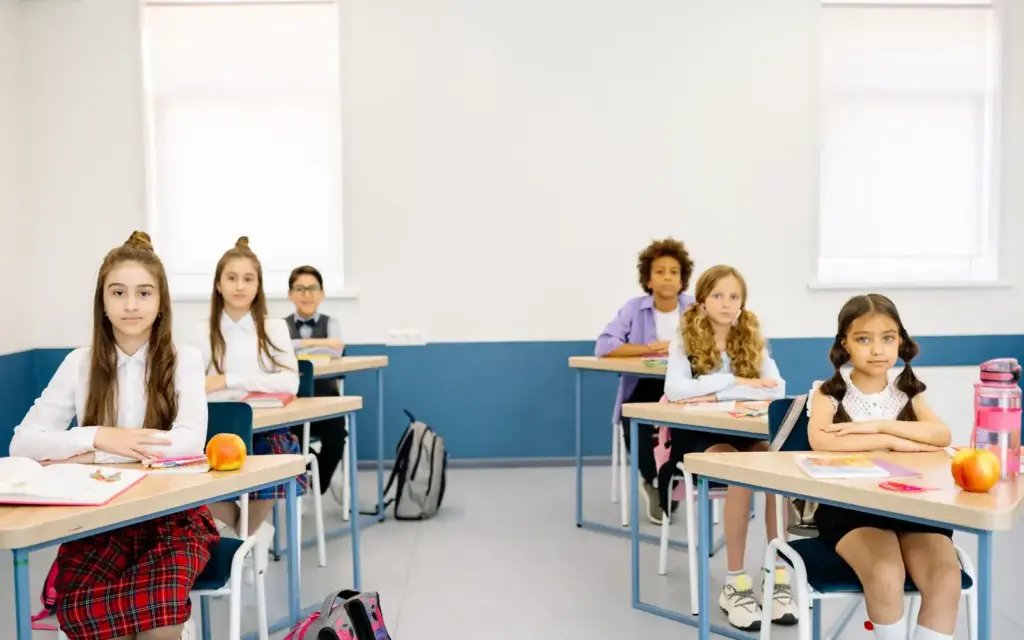
Pupils seated at individual desks with books and learning materials.

Understanding Classroom Behaviour Management

Behaviour should be considered in context. Emotional needs, communication difficulties, sensory experiences and task demands may influence how a pupil responds. Staff should avoid assuming that similar behaviour always has the same cause.

The Education Endowment Foundation’s Improving Behaviour in Schools report highlights the importance of clear, consistent approaches across primary and secondary schools.

Classroom behaviour management also involves relationships. Listening carefully, explaining expectations calmly and recognising effort can contribute to a respectful learning environment. Responses should remain appropriate to the situation and school policy.

For example, a pupil who hesitates to answer may need thinking time. Another may understand the subject but struggle with a long verbal instruction. Observation and discussion can help staff distinguish between these possibilities.

Classroom management training provides opportunities to explore these connections. It should encourage thoughtful judgement rather than promises of instant control.

When concerns persist, staff need support from appropriate colleagues. Online learning can broaden understanding, but it cannot replace professional advice, school procedures or knowledge of an individual pupil.

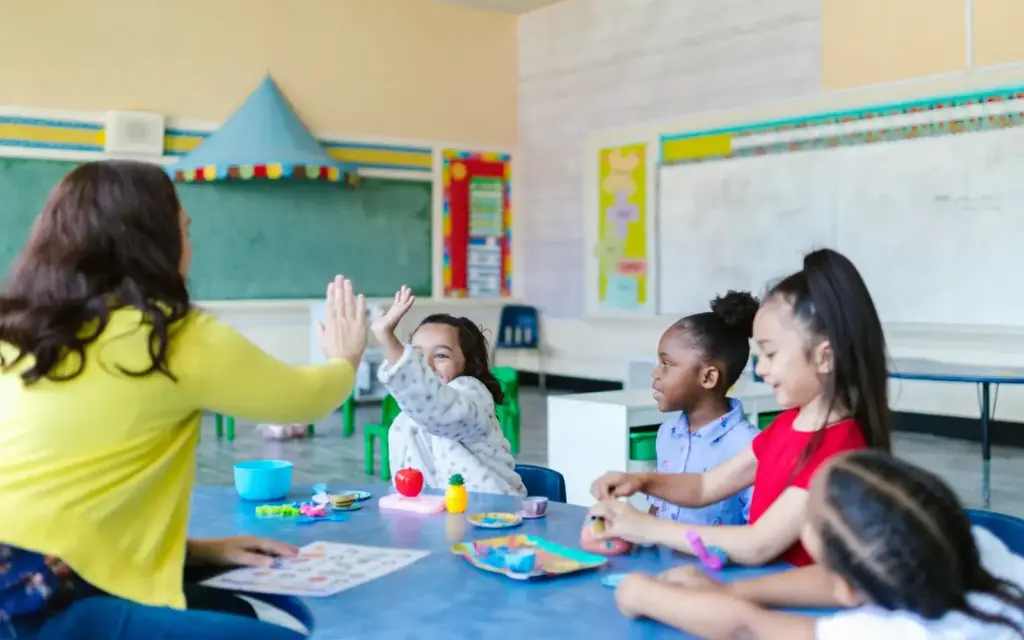
Teacher giving a pupil a high-five during a classroom activity.

Exploring Lesson Planning for Teaching

Planning starts with what pupils should understand or be able to explain. Activities, resources and feedback should connect with that purpose. An engaging task is useful when it helps learners work towards the intended outcome.

The Lesson Planning for Teaching course explores preparation, objectives, teaching methods and evaluation. These subjects help learners understand the decisions behind a structured lesson.

Classroom management training can complement this knowledge by examining participation and organisation. Consider how pupils will begin, where they might need support and how understanding will be checked.

For instance, a mathematics explanation might include a worked example, guided questions and independent attempts. Staff can then notice whether pupils understand the process or are copying without understanding.

Planning should also allow for differences in pace. Some learners may need a shorter instruction or an additional example. Others may benefit from a question that extends their thinking.

Reviewing what happened afterwards helps educators identify which explanations worked and where future lessons could be clearer.

Build your understanding of preparation and participation through the Classroom Management Training Bundle.

Supporting Different Learning Needs

Pupils do not all access learning in the same way. Some may need help with language, attention, confidence or sensory demands. Others may benefit from adjustments to the resources or the way instructions are presented.

Developing classroom support skills involves noticing barriers without making assumptions about a pupil’s abilities. Staff can ask what the learner understands, what is proving difficult and which support has already been agreed.

Possible approaches include breaking instructions into smaller steps, checking understanding and offering an appropriate visual example. Any adjustments should reflect the pupil’s needs and the school’s support arrangements.

Classroom management training also creates space to explore learning science. Attention, motivation, emotions and cognitive development are relevant subjects when considering why participation varies.

These topics should prompt questions rather than labels. A single classroom observation cannot establish a diagnosis or explain everything about a learner.

Inclusive practice also involves recognising strengths. Pupils should have opportunities to contribute, experience appropriate challenge and develop independence alongside any additional support.

Working Together in Classroom Support Roles

Teachers and teaching assistants need a shared understanding of the lesson. Communication helps clarify the learning objective, the support pupils may need and the responsibilities of each adult.

Classroom management training can help learners recognise why this collaboration matters. Support becomes easier to coordinate when staff know what pupils are working towards.

The TA Skills Training for Primary & Secondary Schools course includes relational practice, learning science and accessible teaching. These subjects complement broader classroom support skills.

For example, a teaching assistant might use a prompt before providing a fuller explanation. Giving a pupil time to think can help preserve opportunities for independent effort.

Observations also need to be specific. Reporting that a pupil struggled with the second instruction is more useful than describing the whole activity as unsuccessful.

Constructive discussions can inform future support while respecting professional boundaries. Staff should follow their school’s arrangements for recording information, sharing concerns and communicating with families.

Teacher supporting pupils working together around a classroom table.

Explore connected teaching and support subjects in the Classroom Management Training Bundle.

Exploring School Support Career Paths

Aspiring teaching assistants often want to understand what school work involves before applying. Relevant knowledge includes communication, pupil support, safeguarding awareness and working alongside teachers.

The National Careers Service’s teaching assistant profile describes several entry routes, including college study, apprenticeships, volunteering and direct applications. Schools set their own recruitment requirements.

Classroom management training can support preparation by introducing educational terminology and common responsibilities. It can also help learners identify questions to ask when researching roles.

Existing staff may use professional learning differently. Someone already working in education might revisit behaviour, strengthen classroom support skills or explore digital learning tools.

Keep expectations realistic when comparing training options. Completing an online bundle does not guarantee a school role, a promotion or a particular salary.

The bundle also does not award Qualified Teacher Status. Anyone planning to become a qualified teacher needs to research an appropriate recognised route and its entry requirements.

Safeguarding and Digital Classroom Awareness

A supportive learning environment includes awareness of pupil welfare. Staff need to recognise concerns and understand the importance of following their school’s reporting arrangements.

Safeguarding information should be handled carefully. Learners should become familiar with professional boundaries, appropriate information sharing and the role of designated colleagues.

Classroom management training brings this awareness alongside teaching and behaviour topics. It helps show how classroom responsibilities connect, even when specialist decisions belong to other professionals.

Digital organisation is another part of modern classroom work. Google Classroom can be used to organise materials, communicate and manage learning activities.

Understanding these features can help staff navigate digital teaching environments. However, platform knowledge should sit alongside the school’s privacy, safeguarding and acceptable-use procedures.

The Google Classroom Essentials course explores class setup, materials, communication and grading tools. Learning about these functions can broaden understanding without assuming that every school uses the same platform or has the same working arrangements.

Develop a broader view of classroom responsibilities with the Classroom Management Training Bundle.

Choosing Connected Learning for Your Next Step

One Education’s collection brings together fourteen courses covering teaching foundations, behaviour, inclusion, learning science, safeguarding and digital tools.

Subjects include Primary Teacher Training, Individual & Group Learning, Neuroscience of Learning, Behaviour Support Assistant and Child Protection in Education. Other courses explore classroom activity facilitation and support across primary and secondary settings.

Classroom management training is most useful when learners connect these subjects with clear development priorities. Beginners might start with teaching foundations. Existing staff may prefer to revisit a subject related to their current responsibilities.

With twelve months’ access, learners can organise study around work and family commitments. A regular schedule can make the collection easier to approach than trying to cover every subject at once.

Review the curriculum and individual course requirements before enrolling. Check assessment and certificate arrangements separately, as these should not be assumed from course titles.

Choose training that helps you ask better questions, understand your responsibilities and plan your next stage of professional learning.

Explore the Classroom Management Training Bundle and choose your next learning priority.

Frequently Asked Questions

Classroom management training explores routines, teaching approaches, behaviour and pupil participation. Depending on the course, it may also cover inclusion, communication, safeguarding awareness and digital tools. Review the curriculum to understand how these subjects are addressed.

Yes. Topics such as classroom behaviour management, collaboration and learning support are relevant to aspiring and existing teaching assistants. The knowledge can support further learning, while employers decide which qualifications and experience are appropriate for their vacancies.

The collection includes lesson planning for teaching alongside subjects that develop classroom support skills. Learners can explore objectives, resources, participation and different learning needs. These topics provide background knowledge for understanding how teachers and support staff organise learning.

Online study can fit around work, family and other responsibilities. The bundle provides twelve months’ access, allowing learners to organise their own schedule. Consider choosing a manageable weekly study period and returning to topics that need further attention.

No. The bundle supports knowledge development and professional learning; it does not provide Qualified Teacher Status. Formal teaching routes have separate entry and training requirements. Research the route appropriate to your intended role and the location where you want to work.

top
Home Courses Search