Aftertreatment Technologies: Basic to Advanced

Explore aftertreatment technologies from basic principles to advanced systems, including catalytic converters, particulate filters, and emission control strategies, helping you understand environmental compliance, efficiency improvements, and sustainable automotive engineering practices.


Get access to 5000+ courses including this for only £49. Learn More.

Overview of Aftertreatment Technologies: Basic to Advanced

The course “Aftertreatment Technologies: Basic to Advanced” builds a strong foundation in emissions control strategies for modern vehicles. It explains catalytic converter operation, exhaust treatment fundamentals, and the impact of harmful pollutants. Learners understand how advanced aftertreatment technologies improve environmental performance and support regulatory compliance in automotive engineering systems.

Training covers SCR systems, diesel particulate filter (DPF), and NOx reduction using urea injection (AdBlue). It explains exhaust treatment pathways, DOC integration, and combustion efficiency improvements. Learners gain practical insight into emissions control technologies ensuring compliance and performance in modern diesel engines.

Advanced aftertreatment focuses on oxidation catalyst, thermal management, and system optimization for emission control. It integrates catalytic converter innovations, air-fuel ratio monitoring, and lambda sensors. This course enhances understanding of exhaust treatment systems enabling cleaner, efficient automotive technologies and sustainable engineering solutions.

The course was audited and updated on: 18th April, 2026

Learning Outcomes of Aftertreatment Technologies: Basic to Advanced

Method Of Assessment​

Learners complete an assignment designed to evaluate their understanding of the course content. The assignment is reviewed by qualified tutors who provide personalised feedback, allowing learners to demonstrate their applied knowledge and skills.

Certification

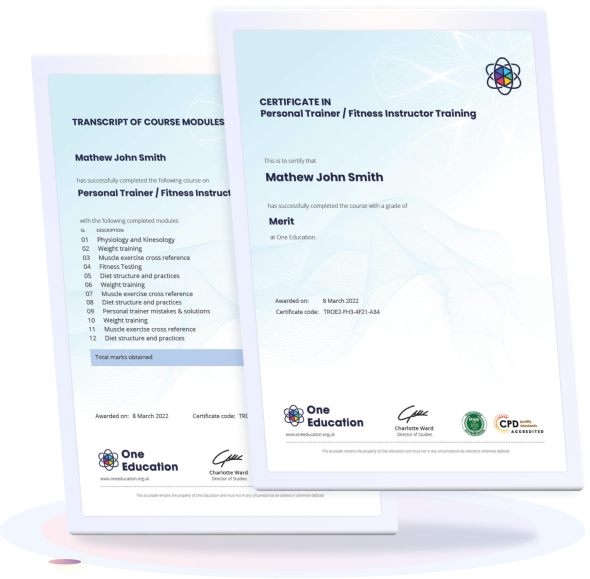
one education Certificate

After completing the Aftertreatment Technologies: Basic to Advanced course assessment, you will be eligible to receive a CPD-accredited certificate worth £9 from One Education to demonstrate your achievement.

The certificate is also available as a printed hard copy delivered by post for £15.

Why Study This Aftertreatment Technologies: Basic to Advanced Course?

Studying Aftertreatment Technologies: Basic to Advanced equips learners with essential knowledge of emissions control systems used in modern vehicles and industry. With tightening environmental regulations, skilled professionals are increasingly required to design, maintain, and optimize these systems effectively.

This course provides practical insight into advanced catalytic converters, diesel particulate filters, and SCR systems, helping learners apply theoretical concepts in real-world applications. It strengthens technical competence and opens opportunities in automotive engineering, environmental compliance, and sustainable technology sectors.

Course Duration

The Aftertreatment Technologies: Basic to Advanced Course has a total study time of 58 minutes. Learners can complete the course at a flexible pace, allowing them to progress through the material in line with their personal schedule, availability, and preferred learning speed.

Requirements

The Aftertreatment Technologies: Basic to Advanced course requirements are straightforward and accessible. Learners should have a basic understanding of automotive engineering or emissions systems, along with interest in clean mobility technologies. The course is online, requiring internet access and a device to study flexibly at their own pace.

Career Path

Frequently Asked Questions

It refers to systems used in vehicles and industries to reduce harmful emissions from exhaust gases.

Engineering students, automotive technicians, and professionals in the automotive or emissions control industry.

Basic knowledge of automotive or mechanical systems is helpful, but beginners can also join.

You’ll learn emission control systems, catalytic converters, DPF, SCR systems, and advanced exhaust treatment technologies.

They are used in cars, trucks, buses, industrial engines, and power systems.

Yes, it is a growing field due to increasing focus on environmental regulations and clean technology.

Course Curriculum

Introduction
Introduction 00:02:00
Harmful Effects of the Pollutants 00:04:00
Aftertreatment- Basic to Advanced
Why Aftertreatment? 00:03:00
Subsystems of Aftertreatment 00:06:00
Types of Substrate Beds 00:05:00
DOC & DPF 00:08:00
Controlling of NOX
Exhaust Gas Recirculation (EGR) 00:04:00
Selective Catalytic Converter (NOX Reduction) 00:05:00
Lean NOX Trap (LNT) 00:05:00
Diesel Particulate Filter/Trap
Methods of DPF 00:05:00
Types of DPF 00:05:00
Air Fuel Ratio & Lambda Sensors
A/F Ratio & Lambda Sensor 00:06:00
Assignment
Assignment -Aftertreatment Technologies: Basic to Advanced 00:00:00
top
Home Courses Search