
 Take All courses for £49
Art Therapy
- Bestseller
- Highly Rated
- Trending
- Most Popular
- Video Training
Art Therapy Course teaches how art helps people express feelings, reduce stress, and improve mental wellbeing using simple creative techniques.




Art Therapy
Or
 1 Year Access
  Level 4
  1066 Students
 -
 1 week, 3 days
Course Curriculum
| Module 01: Introduction to Art Therapy | |||
| Introduction to Art Therapy | 00:17:00 | ||
| Module 02: Art Therapy: Psychology and Neuroscience | |||
| Art Therapy: Psychology and Neuroscience | 00:18:00 | ||
| Module 03: Art Therapy in Practice | |||
| Art Therapy in Practice | 00:18:00 | ||
| Module 04: Creative Therapy | |||
| Creative Therapy | 00:14:00 | ||
| Module 05: Mindful Creativity: Colour and Creation | |||
| Mindful Creativity: Colour and Creation | 00:17:00 | ||
| Module 06: Art Therapy Techniques and Applications | |||
| Art Therapy Techniques and Applications | 00:34:00 | ||
| Module 07: Using Mindfulness in Art Therapy | |||
| Using Mindfulness in Art Therapy | 00:26:00 | ||
| Module 08: Drawings | |||
| Drawings | 00:35:00 | ||
| Module 09: Reflective Writing | |||
| Reflective Writing | 00:22:00 | ||
| Module 10: Art Therapy for Children | |||
| Art Therapy for Children | 00:21:00 | ||
| Module 11: Art Therapy for Adults | |||
| Art Therapy for Adults | 00:18:00 | ||
| Module 12: Art Therapy for Family | |||
| Art Therapy for Family | 00:33:00 | ||
| Module 13: Illness and Art | |||
| Illness and Art | 00:15:00 | ||
| Module 14: The Art Therapist | |||
| The Art Therapist | 00:20:00 | ||
| Mock Exam | |||
| Mock Exam – Art Therapy | 00:20:00 | ||
| Final Exam | |||
| Final Exam – Art Therapy | 00:20:00 | ||
| Assignment | |||
| Assignment – Art Therapy | 4 days, 7 hours | ||
| Recommended Materials | |||
| Workbook – Art Therapy | 6 days, 9 hours | ||
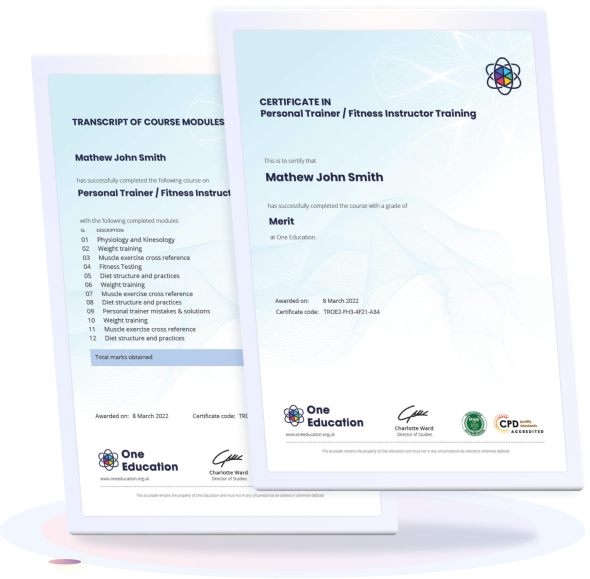
| Certificate and Transcript | |||
| We Appreciate Your Feedback | 00:00:00 | ||
| Collect your Certificate and Transcript | 00:00:00 | ||
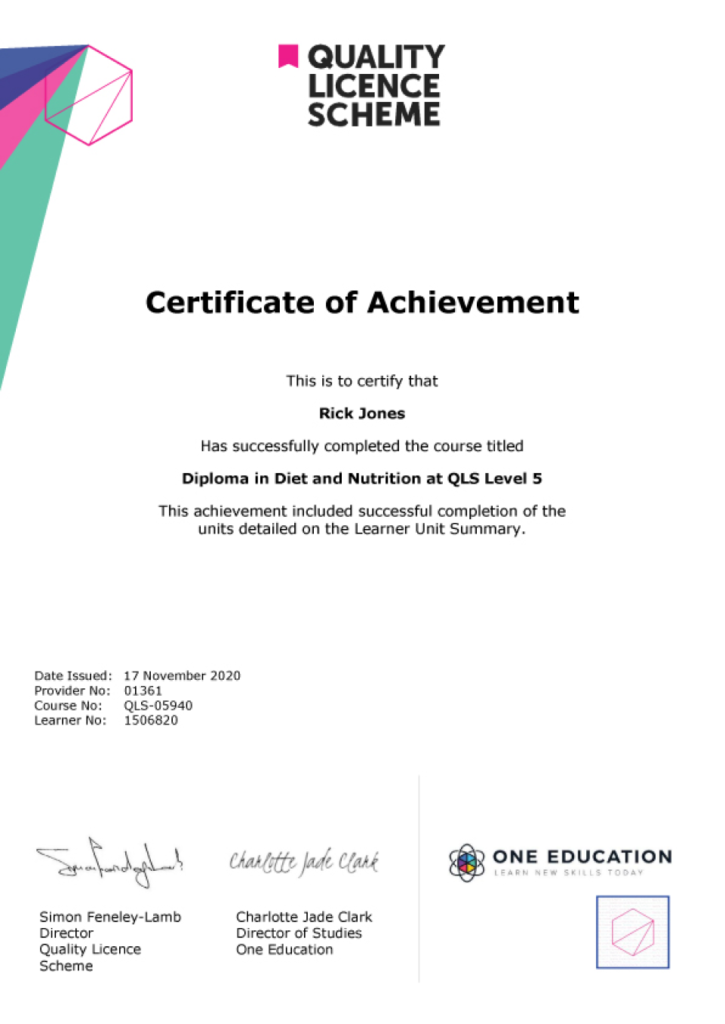
| Apply for your QLS Endorsed Certificate | 00:00:00 | ||
Art Therapy