Botany and Gardening Physiology

  • Bestseller
  • Great Service
  • Highly Rated
  • Trending

Explore plant structure, growth processes, and environmental responses in Botany and Gardening Physiology. Gain practical insights into soil health, photosynthesis, plant nutrition, and sustainable gardening techniques for thriving gardens.

Botany and Gardening Physiology

Get access to 5000+ courses including this for only £49. Learn More.

Overview of Botany and Gardening Physiology

Botany and Gardening Physiology provides a comprehensive introduction to botany, combining essential plant biology with practical gardening techniques. This course explores how plants grow, develop, and adapt while building a solid understanding of plant physiology, photosynthesis, and the biological processes that support healthy, thriving plants in natural and cultivated environments.

Through engaging modules, learners will study plant morphology, anatomy, taxonomy, embryology, genetics, ecology, and the classification of major plant groups. The course also covers soil and nutrition, enabling students to understand the factors influencing plant growth, improve plant care, and apply scientific principles to successful horticulture and sustainable gardening practices.

Designed for aspiring gardeners, horticulture enthusiasts, and biology learners, this course develops the knowledge needed for effective garden management and informed plant cultivation. By exploring flowering plants, gymnosperms, cryptogams, microbes, and palaeobotany, learners gain valuable insights into plant diversity while strengthening practical skills for gardening, conservation, and professional horticultural applications.

The course was audited and updated on: 28th July, 2026

Extra Gift Included: +

  • Free CPD Certificate
  • Unlimited Free Retake Exams

Free Courses Inlcuded - Limited Time Offer!

Learning Support Assistant Training
Safeguarding and Child Protection

Learning Outcomes of Botany and Gardening Physiology

Method Of Assessment​

Learners complete an assignment designed to evaluate their understanding of the course content. The assignment is reviewed by qualified tutors who provide personalised feedback, allowing learners to demonstrate their applied knowledge and skills.

Certification

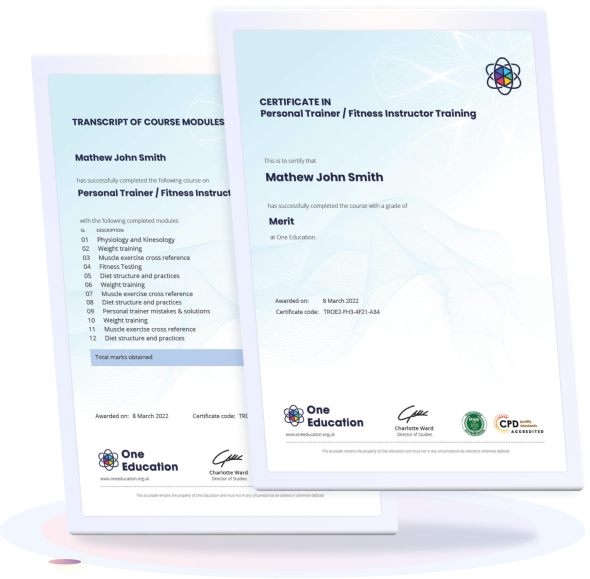
one education Certificate

After completing the Botany and Gardening Physiology course assessment, you will be eligible to receive a CPD-accredited certificate worth £9 from One Education to demonstrate your achievement.

The certificate is also available as a printed hard copy delivered by post for £15.

Why Study This Botany and Gardening Physiology Course?

Botany and Gardening Physiology introduces learners to the science of plants, exploring plant structures, growth processes, photosynthesis, soil nutrition, and effective gardening techniques. This course provides essential knowledge of plant biology and physiology to help learners understand how plants develop and thrive.

Studying Botany and Gardening Physiology enhances practical plant care skills and scientific understanding of horticulture and garden management. The course supports learners interested in gardening, agriculture, environmental studies, and plant-based careers while developing confidence in applying sustainable plant-growing practices.

Course Duration

The Botany and Gardening Physiology course has a total study time of 7 hours, 29 minutes. This comprehensive programme is designed for flexible learning, allowing learners to progress at their own pace while exploring botany, plant physiology, gardening techniques, plant biology, plant growth, soil and nutrition, plant care, horticulture, photosynthesis, and effective garden management practices.

Requirements

The Botany and Gardening Physiology course requirements are simple and suitable for beginners. Learners should have a basic understanding of science, an interest in plants, gardening, and natural processes, and a willingness to explore plant biology, growth, and care techniques. Access to an internet-enabled device and commitment to regular study are recommended for effective learning and successful course completion.

Career Path

Frequently Asked Questions

This course explores the science of plants and gardening, covering plant biology, plant physiology, plant growth, photosynthesis, soil and nutrition, gardening techniques, horticulture, plant care, and effective garden management practices.

No. It is suitable for beginners, gardening enthusiasts, students, and anyone interested in plant science, horticulture, and understanding how plants grow and thrive.

The course is delivered online, allowing you to learn at your own pace and develop practical knowledge of plant care and gardening.

Yes. Plant care activities, gardening exercises, case studies, research tasks, and quizzes may be included to reinforce learning.

You will receive a certificate of completion after successfully finishing the course.

This course supports career development in horticulture, gardening, agriculture, landscaping, plant research, environmental science, garden management, conservation, and other plant-related fields.

Course Curriculum

Module 01: Introduction to Biology
Introduction to Biology 00:25:00
Module 02: Morphology of Plants
Morphology of Plants 00:36:00
Module 03: Cell Biology and Anatomy of Plants
Cell Biology and Anatomy of Plants 00:38:00
Module 04: Naming Plants and Taxonomic Classifications
Naming Plants and Taxonomic Classifications 00:38:00
Module 05: Plant Physiology
Plant Physiology 00:42:00
Module 06: Embryology of Plants
Embryology of Plants 00:43:00
Module 07: Plant Genetics and Evolution
Plant Genetics and Evolution 00:39:00
Module 08: Plant Ecology
Plant Ecology 00:44:00
Module 09: Cryptograms and Microbes
Cryptograms and Microbes 00:54:00
Module 10: The Gymnosperms
The Gymnosperms 00:29:00
Module 11: Angiosperms - The Flowering Plants
Angiosperms – The Flowering Plants 00:39:00
Module 12: Palaeobotany
Palaeobotany 00:22:00
Assignment
Assignment – Botany and Gardening Physiology 00:00:00
top