CBT for Fear of Abandonment

CBT for Fear of Abandonment
cpdacree aoth ukrlp 24hs fullonline 14days

Get access to 5000+ courses including this for only £49. Learn More.

Overview of CBT for Fear of Abandonment

CBT for Fear of Abandonment is a structured course designed around CBT Basics, helping learners understand Attachment Patterns, Core Beliefs, Emotional Triggers, and Cognitive Distortions that drive Relationship Anxiety. This program introduces foundational CBT Basics while exploring how early experiences shape abandonment fears and emotional responses in relationships in modern clinical CBT practice.

The CBT for Fear of Abandonment curriculum focuses on Thought Restructuring, Emotional Regulation, and identifying Reassurance Seeking and Safety Behaviours that maintain anxiety. Through Behavioral Exposure and guided exercises, learners challenge Cognitive Distortions, reduce Relationship Anxiety, and strengthen CBT Basics for lasting change in attachment-driven emotional patterns used across modern CBT interventions.

This CBT for Fear of Abandonment course also includes structured modules like Action Steps, Reprogramming subconscious patterns, Recalibrating your mind, and Three Principles of cognitive healing. Learners gain practical CBT Basics to manage Emotional Triggers, reduce Cognitive Distortions, and improve Emotional Regulation for healthier, more secure relationships across real life applications.

The course was audited and updated on: 17th May, 2026

Learning Outcomes of CBT for Fear of Abandonment

Certification

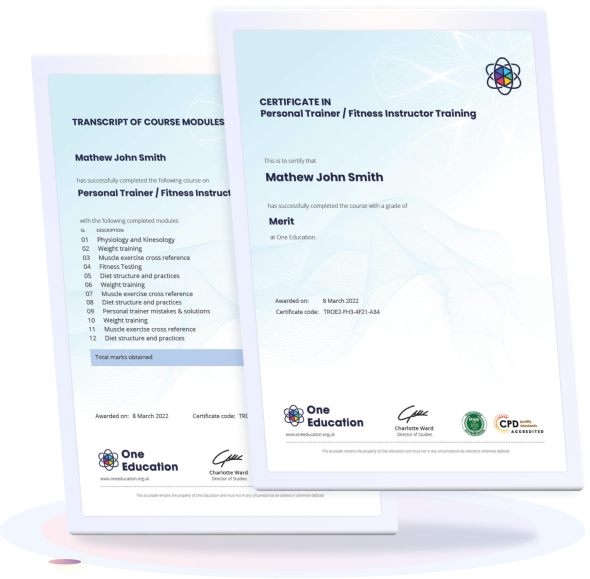
one education Certificate

After completing the CBT for Fear of Abandonment course assessment, you will be eligible to receive a CPD-accredited certificate worth £9 from One Education to demonstrate your achievement.

The certificate is also available as a printed hard copy delivered by post for £15.

Why Study This CBT for Fear of Abandonment Course?

Why Study This CBT for Fear of Abandonment Course? Fear of abandonment can significantly affect relationships, self-esteem, and emotional wellbeing, often leading to patterns of anxiety and insecurity in personal and professional interactions. Understanding it is key to healthier coping.

Studying this course develops awareness of cognitive behavioural techniques to identify and challenge unhelpful thought patterns. It strengthens emotional regulation skills, builds healthier relationship behaviours, and supports long-term psychological resilience and personal growth.

Course Duration

The CBT for Fear of Abandonment Course has a total study time of 1 hour, 27 minutes. Learners can complete the programme at a flexible, self-paced schedule, allowing them to explore cognitive behavioural therapy approaches and supportive strategies for understanding and managing fear of abandonment in a way that fits comfortably around their availability and learning needs.

Requirements

The CBT for Fear of Abandonment course is suitable for learners interested in mental health, cognitive behavioural therapy approaches, and emotional wellbeing. No prior qualifications are required. Participants need basic literacy skills, internet access, and a device for online study. An interest in understanding attachment patterns, emotional regulation, and improving personal relationships is essential.

Career Path

Frequently Asked Questions

It is a cognitive behavioural therapy (CBT)-informed course that explores fear of abandonment, its causes, and practical strategies to manage anxious thoughts and relationship insecurity.

It is suitable for individuals experiencing relationship anxiety, emotional insecurity, attachment difficulties, or anyone interested in improving emotional wellbeing.

You will learn about attachment styles, thought patterns linked to abandonment fears, cognitive restructuring techniques, emotional regulation, and coping strategies.

No, it is designed for beginners and general mental health awareness learners.

No, it is an educational course. It does not replace professional CBT therapy or mental health treatment.

CBT helps identify and challenge negative thought patterns and replace them with more balanced, realistic thinking to reduce emotional distress.

Course Curriculum

Introduction to CBT for Abandonment Anxiety
Overview 00:04:00
How CBT helps us 00:08:00
Symptoms of Abandonment Anxiety 00:10:00
Story & Patterns 00:09:00
Identify Irrational Belief & Thinking Errors 00:15:00
Safety Behaviours 00:05:00
Excel Exercise 00:03:00
Action Steps & reprograming your subconscious 00:07:00
Recaliberating your mind 00:10:00
Three Principles 00:14:00
Landing Page CBT_Abandonment_Anxiety 00:02:00
CBT for Fear of Abandonment
top