
 Take All courses for £49
Colour Psychology


Colour Psychology
Or
 1 Year Access
 Level 1
 15 Students
-
 1 day, 16 hours
Course Curriculum
| Unit 01: Welcome to Lifehacking with Color Psychology | |||
| Introduction: Use Color to Ramp up Your Influence | 00:03:00 | ||
| What Is Color and How Can It Affect You? | 00:03:00 | ||
| Unit 02: Taste the Rainbow: The Warm Colors | |||
| Red: Warning. -This Lecture Is Not For People With High Blood Pressure! | 00:06:00 | ||
| Orange: Use This Color Trick to Be More Productive At Work | 00:03:00 | ||
| Yellow: Could This Color Be Disturbing the Peace at Home? | 00:05:00 | ||
| Unit 03: Cool Like That: The Cool Colors | |||
| Green: Your Best Friend on a Busy Tuesday at Work | 00:06:00 | ||
| Blue: This Power Color Can Help Get You the Vote or the Job. | 00:07:00 | ||
| Purple: A Go-To Color for Gurus | 00:03:00 | ||
| Unit 04: The Big Crayon Box: "Special" Colors | |||
| Brown and Tan: The Best Colors to Help Salvage Your Reputation. | 00:07:00 | ||
| Silver and Gray: For Modern People Only | 00:02:00 | ||
| White: How to Make Your Website More Professional. | 00:04:00 | ||
| Black: Learn why this Color is Best Kept OUT of the Classroom. | 00:05:00 | ||
| Pink: How This Color Will Help Your Sports Team Win Again and Again. | 00:04:00 | ||
| Unit 05: Putting It All Together | |||
| Case Study #1: Influence the Audience’s Mood through Color in Film/Animation | 00:08:00 | ||
| Case Study #2: What I Wore to my Last Job Interview | 00:08:00 | ||
| Case Study #3: How to Use Color Psychology to Boost Your Website (New Site) | 00:13:00 | ||
| Unit 06: Updates, Extras, and Goodies | |||
| Thank You for Taking This Course. | 00:01:00 | ||
| Assignment | |||
| Assignment – Colour Psychology | 1 day, 15 hours | ||
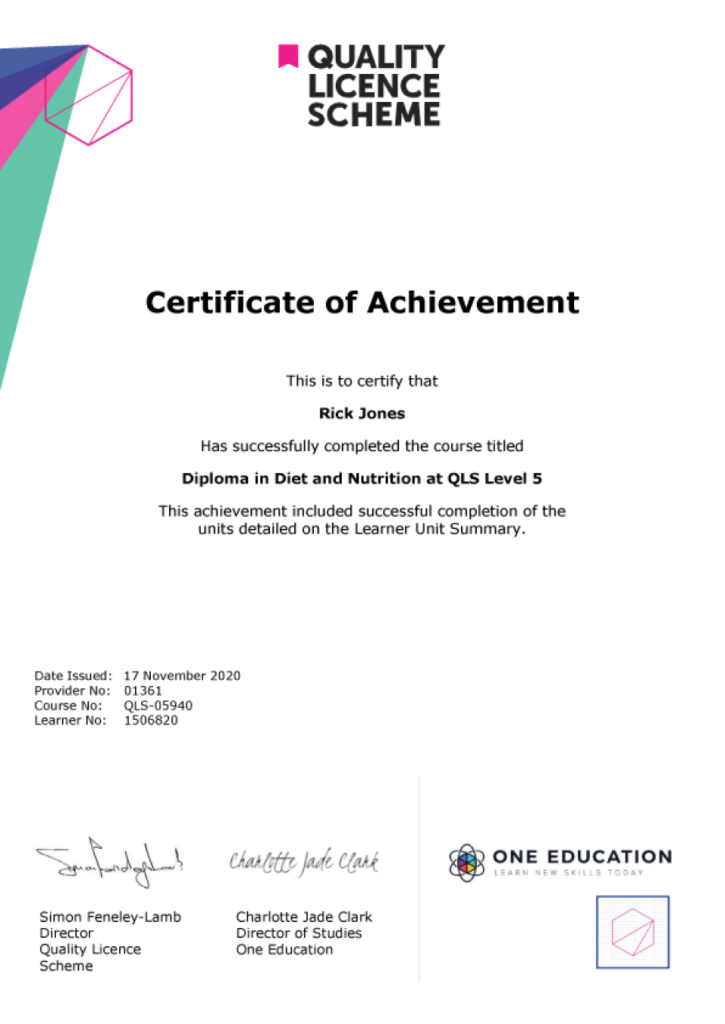
| Order Your Certificate | |||
| Order Your Certificate QLS | 00:00:00 | ||
Colour Psychology