Communication Skills in Health and Social Care

  • Bestseller
  • Great Service
  • Highly Rated
  • Trending

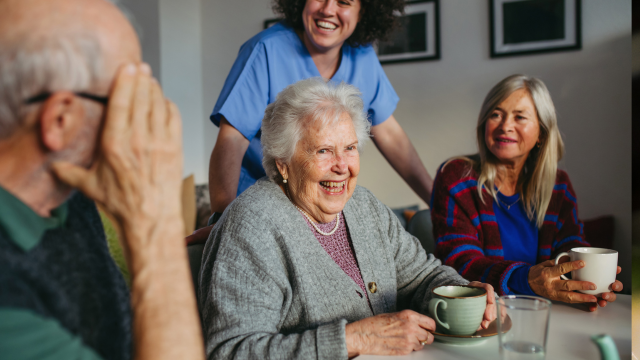
Communication Skills in Health and Social Care improves professional interaction between caregivers, patients, and families. Learn effective listening, clear communication, empathy, and teamwork to support patient wellbeing and deliver safe, respectful care.
Communication Skills in Health and Social Care

Get access to 5000+ courses including this for only £49. Learn More.

Overview of Communication Skills in Health and Social Care

Communication Skills in Health and Social Care is a vital course designed to strengthen communication, skills, and empathy within healthcare and social care environments. Learners develop strong listening, interaction, and teamwork abilities to effectively support patients. The program enhances understanding of patient needs while improving professional communication across the healthcare industry overall.

This course covers essential modules including communication, interviewing techniques, confidentiality, ethics, and medical terminology. It builds communication skills in healthcare and social care through active listening, empathy, and patient interaction. Students also learn professional behaviour, teamwork, and adapting communication methods to suit different patient needs for effective support and care delivery.

Graduates of Communication Skills in Health and Social Care are well prepared for roles in healthcare and social care environments. The program strengthens communication, listening, and empathy to improve patient support and teamwork. It builds confidence in professional interaction, ensuring ethical practice, effective healthcare communication, and better outcomes for patients and services.

The course was audited and updated on: 13th May, 2026

Learning Outcomes of Communication Skills in Health and Social Care

Certification

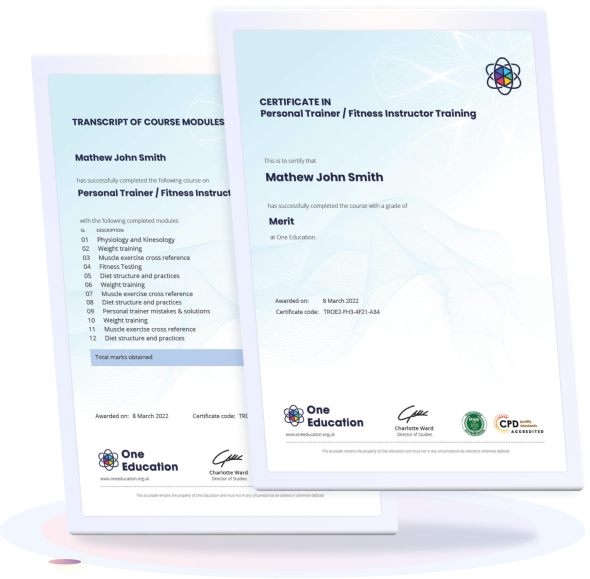
one education Certificate

After completing the Communication Skills in Health and Social Care course assessment, you will be eligible to receive a CPD-accredited certificate worth £9 from One Education to demonstrate your achievement.

The certificate is also available as a printed hard copy delivered by post for £15.

Why Study This Communication Skills in Health and Social Care Course?

Why study Communication Skills in Health and Social Care online? This course helps learners understand effective communication techniques used when supporting patients, service users, and colleagues. It covers verbal, non-verbal, and written communication to improve clarity, empathy, and professional interaction in care settings.

Studying communication skills strengthens confidence in building positive relationships within health and social care environments. It supports better teamwork, reduces misunderstandings, and ensures individuals receive accurate, respectful, and person-centred care across a range of professional situations.

Course Duration

The Communication Skills in Health and Social Care course has a total study time of 5 hours, 33 minutes. Learners can complete the programme at a flexible pace, allowing them to strengthen essential communication techniques for care settings while balancing study with other personal or professional commitments.

Requirements

The Communication Skills in Health and Social Care course is suitable for learners working or aspiring to work in care environments. No formal qualifications are required, only a basic interest in improving communication with patients and colleagues. The course is fully online, accessible on any internet-enabled device, and can be studied flexibly at your own pace and convenience.

Career Path

Frequently Asked Questions

They are the skills used to share information clearly and effectively with patients, families, and colleagues in care settings.

Good communication helps build trust, improve patient safety, and ensure people receive the right care and support.

These include verbal, non-verbal, written, and electronic communication such as reports and care records.

Barriers can be reduced by using simple language, listening carefully, using interpreters, and being patient and respectful.

Active listening helps understand a person’s needs better and ensures they feel valued and respected.

It helps share accurate information between staff, patients, and families to create effective and person-centred care plans.

Course Curriculum

Module 1. Introduction to Health and Social Care
Module 1: Introduction to Health and Social Care 00:19:00
Module 2: Communication and its Relevance
Module 2: Communication and its Relevance 00:42:00
Module 3: Importance of Communication in Healthcare
Module 3: Importance of Communication in Healthcare 00:33:00
Module 4: Professional Communication and Behaviour
Module 4: Professional Communication and Behaviour 00:19:00
Module 5: Interviewing Techniques
Module 5: Interviewing Techniques 00:32:00
Module 6: Adapting Communication to a Patient's Ability to Understand
Module 06: Adapting Communication to a Patient’s Ability to Understand 00:19:00
Module 7: Confidentiality in a Medical Environment
Module 7: Confidentiality in a Medical Environment 00:17:00
Module 8: Human Body Vocabulary with Pictures
Module 8: Human Body Vocabulary with Pictures 00:47:00
Module 9: Equipment, Instrument and Lab Tests
Module 9: Equipment, Instruments and Lab Tests 00:19:00
Module 10: Legal aspects and Ethics
Module 10: Legal aspects and Ethics 00:22:00
Module 11: Medical Jargon and Terminology
Module 11: Medical Jargon and Terminology 00:28:00
Module 12: Acronyms and Abbreviation
Module 12: Acronyms and Abbreviation 00:36:00
Order Your Certificate
Order Your Certificate Now 00:00:00
top
Home Courses Search