Electrical Engineering for Electrical Substations

This course explores Electrical Engineering for Electrical Substations, focusing on system design, equipment operation, and maintenance practices to enhance safety, efficiency, and reliability in modern power distribution networks.

Electrical Engineering for Electrical Substations

Get access to 5000+ courses including this for only £49. Learn More.

Overview of Electrical Engineering course

This electrical substation training introduces substation engineering fundamentals, covering electrical substation design training, core components and system layouts. Learners gain structured knowledge through an accessible substation design course online.

The course explores electrical engineering for substations, including earthing system design, power transformers, circuit breakers, busbars and protection relays. Ideal for those seeking a substation design course UK online.

Learners develop practical understanding of control panels, current and voltage transformers, lightning arresters and isolators. This electrical substation training online supports progression through a focused electrical substation design course.

Learning Outcomes of Electrical Engineering course

Method Of Assessment​

Learners complete an assignment and can take a mock exam to practice and improve their understanding before the final multiple-choice exam. Tutors provide personalised feedback on the assignment. The final exam is automatically marked, and learners must achieve at least 60% to receive a CPD-certified certificate.

Certification

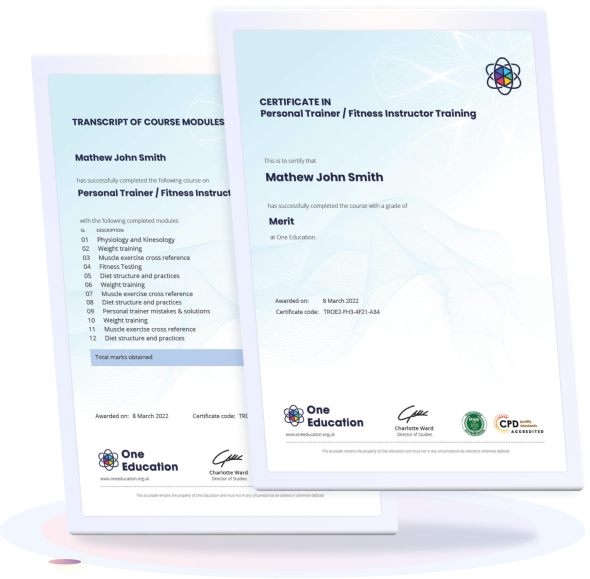
one education Certificate

After completing the Electrical Engineering course assessments, learners qualify for a CPD QS accredited certificate from One Education.

The certificate is available in two formats: a PDF version for £9 or a printed hard copy delivered by post for £15.

Why Study This Electrical Engineering course?

Electrical engineering skills are in high demand across power generation, construction, manufacturing, and infrastructure projects, particularly in areas such as substations and power systems. A strong understanding of electrical substations and their components is essential for ensuring safe, reliable, and efficient electricity distribution.

Studying this Electrical Engineering course builds core technical knowledge, strengthens problem-solving abilities, and supports career progression in the electrical and energy sectors. CPD certification demonstrates professional development, enhances credibility, and adds recognised value to your CV in a competitive engineering job market.

Course Duration

The Electrical Engineering Course is designed to be completed in approximately 5 hours and 45 minutes of guided learning. The programme is fully self-paced, allowing learners to progress through each unit at a speed that aligns with their personal schedule, study habits, and level of engagement, while still gaining a structured and focused learning experience.

Requirements

The electrical engineering course requirements are straightforward and learner-friendly. Anyone with a basic understanding of mathematics, physics, or general electrical concepts, along with an interest in power systems and substations, can enrol. The course is delivered fully online and can be accessed from any internet-enabled device, allowing learners to study independently at a pace that fits around their personal and professional commitments.

Career Path

Frequently Asked Questions

This course focuses on the fundamentals of electrical substations, covering design principles, equipment functions, earthing systems, and protection components used in power distribution networks.

This course is suitable for aspiring electrical engineers, technicians, diploma holders, engineering students, and professionals seeking to strengthen their knowledge of substation engineering.

Basic understanding of electrical concepts is helpful, but beginners with an interest in power systems and substations can also successfully complete the course.

The course covers substation basics, earthing system design, power transformers, circuit breakers, busbars, current and voltage transformers, lightning arresters, protection relays, and control panels.

Yes, the course is delivered fully online, allowing learners to study at their own pace from anywhere with internet access.

Completion time varies by learner, but most students finish the course within a few weeks depending on their study schedule and commitment.

Course Curriculum

Electrical Engineering for Electrical Substations
Unit 1: Basics of Electrical Substations
Module 1: Introduction To Electrical Substation 00:06:00
Module 2: Construction of Electrical Substation and Transformers 00:09:00
Module 3: Instrument Transformers and Principle of Operation of Trip Circuit 00:13:00
Module 4: Types Of Circuit Breakers And Fuses 00:23:00
Module 5: Types of Relays According to Function, Construction and Time Characteristics 00:06:00
Module 6: Definition of Busbar and Its Schemes 00:17:00
Module 7: Construction of Underground Cables 00:10:00
Module 8: Construction of Overhead Transmission Lines 00:15:00
Module 9: Comparison between Underground Cables and Overhead Transmission Lines 00:05:00
Module 10: Types of Switches In Power System and Substations 00:08:00
Module 11: Importance of Capacitor Banks in Power System 00:08:00
Module 12: Other Important Components in Electrical Substation 00:07:00
Module 13: Classification of Substations 00:05:00
Module 14: Relation between Voltage and Substations 00:02:00
Module 15: Air Insulated Substation and Gas Insulated Substation 00:09:00
Module 16: Importance of Ring Main Unit in Power System 00:07:00
Module 17:Extra Images 00:01:00
Unit 2: Design of Earthing System
Module 1: Effect of Current on Human Body 00:09:00
Module 2: Types of Electric Hazards 00:08:00
Module 3: Classification of Earthing Systems 00:24:00
Module 4: Components of Earthing System 00:09:00
Module 5: Design and Resistance of Earthing Electrode 00:12:00
Module 6: Design and Resistance of Earthing Conductor 00:13:00
Module 7: Earth Resistance by Megger and Three Point Method 00:03:00
Module 8: Design Earthing or Ground Grid Using ETAP 00:21:00
Unit 3: Introduction to Design of Substation
Module 1: What Ip or Ingress Protection 00:05:00
Module 2: Selection of Busbars in Electrical Substation 00:11:00
Module 3: Design of Substations 00:19:00
Module 4: Single Line Diagram of 66 to 11kv Substation 00:20:00
Mock Exam
Mock Exam – Electrical Engineering for Electrical Substations 00:20:00
Final Exam
Final Exam – Electrical Engineering for Electrical Substations 00:20:00
Assignment
Assignment -Electrical Engineering for Electrical Substations 00:00:00
top
OE Footer
Home Search Cart