Epidemiology

Epidemiology examines the distribution, patterns, and determinants of diseases within populations, guiding prevention strategies, public health policies, outbreak investigations, and evidence-based interventions to improve community health outcomes globally.


Epidemiology

Get access to 5000+ courses including this for only £49. Learn More.

Overview of Epidemiology

Epidemiology is the scientific study of disease distribution and determinants within a population, focusing on how infection spreads and impacts health. It combines research and statistics to strengthen public health systems. This course introduces core concepts, helping learners understand disease patterns and prevention strategies essential for improving global population health outcomes.

Module-based Epidemiology training covers principles of epidemiology, study design, and disease occurrence across populations. Learners explore variation in disease by time, place, and person, including outbreaks and epidemics. It emphasizes measures of risk, disease frequency, and prevention strategies, using research and statistics to improve public health decision-making and global health outcomes.

Epidemiology plays a vital role in public health by guiding disease prevention, controlling infection, and improving population health outcomes. It applies research and statistics to understand health trends and risks. The epidemiological concept of population helps identify patterns, enabling effective strategies for outbreak control and long-term disease prevention worldwide efforts.

The course was audited and updated on: 17th May, 2026

Learning Outcomes of Epidemiology

Method Of Assessment​

Learners complete an assignment designed to evaluate their understanding of the course content. The assignment is reviewed by qualified tutors who provide personalised feedback, allowing learners to demonstrate their applied knowledge and skills.

Certification

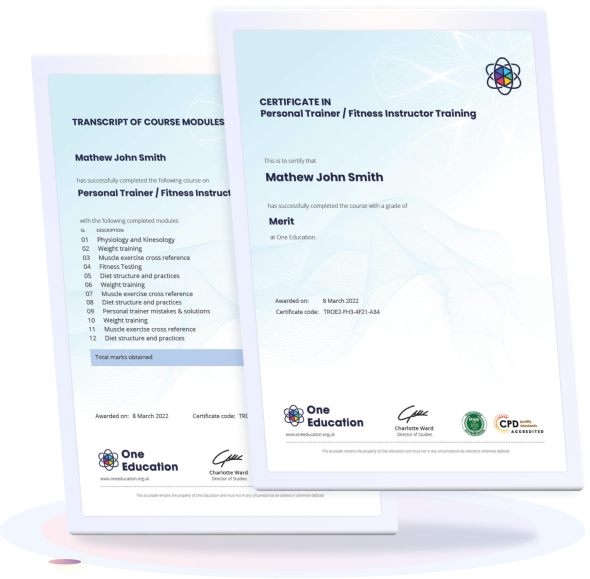
one education Certificate

After completing the Epidemiology course assessment, you will be eligible to receive a CPD-accredited certificate worth £9 from One Education to demonstrate your achievement.

The certificate is also available as a printed hard copy delivered by post for £15.

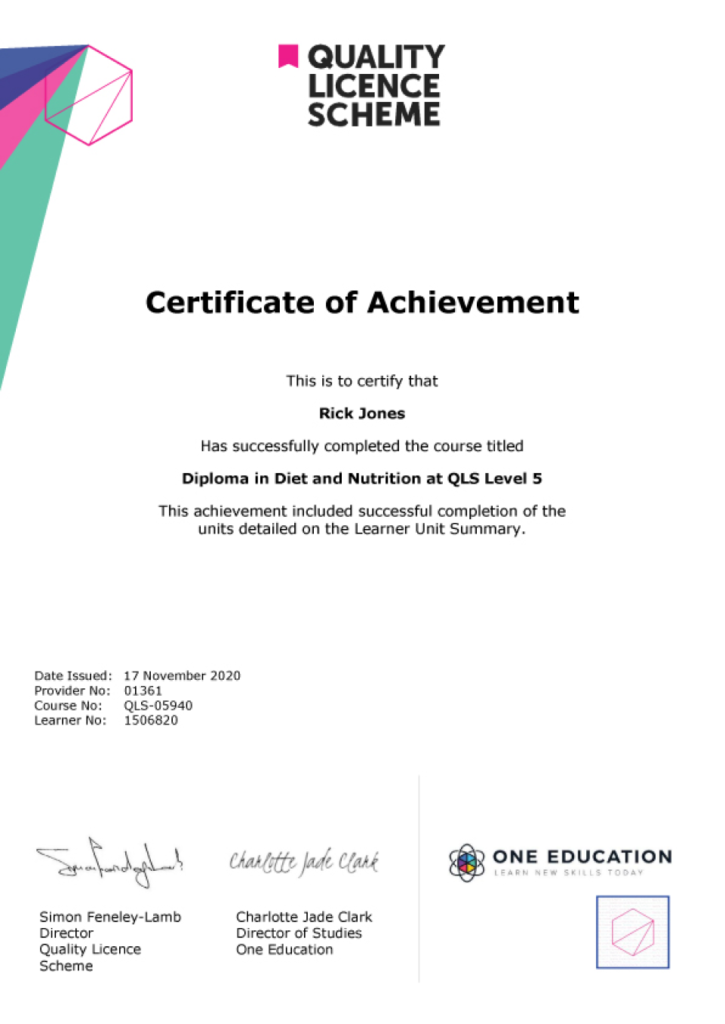
EXAMPLE - QLS Certificate 2020 1

Quality Licence Scheme Endorsed Certificate

Learners also have the option to order a Quality Licence Scheme (QLS) Endorsed Certificate as additional proof of achievement. The QLS Endorsed Certificate can be delivered by post for £89, with an additional £10 postage charge for international students.

Endorsement

This course has been endorsed by the Quality Licence Scheme for its high-quality, non-regulated provision and training programmes. This course is not regulated by Ofqual and is not an accredited qualification. Your training provider will be able to advise you on any further recognition, for example progression routes into further and/or higher education. For further information please visit the Learner FAQs on the Quality Licence Scheme website.

Why Study This Epidemiology Course?

Studying Epidemiology helps learners understand how diseases spread within populations and the factors that influence patterns of health and illness. It builds knowledge of data analysis, risk factors, and public health principles used to prevent and control outbreaks.

This course also develops practical skills in interpreting health information and supporting evidence-based decision-making. Learners gain confidence in applying epidemiological concepts to improve community health outcomes and inform effective prevention strategies.

Course Duration

The Epidemiology course has a total study time of 2 weeks, 2 days. Learners can progress through the programme at a flexible pace, allowing them to develop foundational knowledge of disease patterns, public health principles, and epidemiological methods while balancing study with other personal or professional commitments.

Requirements

The Epidemiology course requirements are suitable for learners interested in public health, disease patterns, and healthcare research. No prior specialist experience is required, although a basic understanding of biology, statistics, or health sciences is beneficial. The course is fully online, requiring only internet access and a digital device for flexible self-paced study.

Career Path

Frequently Asked Questions

It is the study of how diseases spread, their causes, and patterns within populations.

It is suitable for public health students, healthcare workers, researchers, and anyone interested in disease prevention and control.

You will learn how to track disease outbreaks, analyze health data, understand risk factors, and apply prevention strategies.

Not always. Introductory epidemiology courses are open to beginners, but advanced levels may require a health or science background.

It is used in public health, hospitals, governments, research institutions, and during disease outbreak investigations.

It helps identify health risks early, control outbreaks, and improve overall public health planning and response.

Course Curriculum

Module 01: Understanding Epidemiology
Understanding Epidemiology 00:18:00
Module 02: Principles of Epidemiology
Principles of Epidemiology 00:20:00
Module 03: Study Design
Study Design 00:24:00
Module 04: Disease Occurrence
Disease Occurrence 00:19:00
Module 05: Variation in Disease by Time, Place, and Person
Variation in Disease by Time, Place, and Person 00:15:00
Module 06: Epidemics and Outbreaks
Epidemics and Outbreaks 00:26:00
Module 07: Measures of Risk and Disease Prevention
Measures of Risk and Disease Prevention 00:23:00
Module 08: Measures of Disease Frequency
Measures of Disease Frequency 00:22:00
Module 09: Role of Epidemiology in Public Health
Role of Epidemiology in Public Health 00:17:00
Module 10: The Epidemiological Concept of Population
The Epidemiological Concept of Population 00:22:00
Assignment
Assignment – Epidemiology 2 weeks, 2 days
Order Your Certificate
Order Your Certificate QLS 00:00:00
top