Food Allergen Awareness

Food Allergen Awareness equips learners with essential knowledge to identify common allergens, prevent cross-contamination, respond to allergic reactions, and maintain safe food handling standards in catering, retail, and hospitality settings.

Food Allergen Awareness

Get access to 5000+ courses including this for only £49. Learn More.

Overview of Food Allergen Awareness

Food Allergen Awareness is essential for understanding how certain food ingredients can trigger allergic reactions and health risks. This course introduces the basics of food allergens, helping learners identify unsafe ingredients, improve food safety practices, and apply effective control measures to reduce allergy risks and protect consumer health in daily food environments.

Food Allergen Awareness training also focuses on clear allergen guidance for food businesses and consumers. It explains how to manage ingredients, prevent cross-contamination, and maintain strict safety standards. Learners gain awareness of allergy risks, improving control measures that protect public health and ensure safe food handling across all environments globally.

Food Allergen Awareness includes detailed study of allergic reactions and treatments, helping learners understand how the body responds to different food allergens. The module emphasizes recognizing symptoms early, managing health risks, and applying effective safety and control strategies. It strengthens awareness of ingredient-related allergy risks in everyday food consumption effectively.

The course was audited and updated on: 6th May, 2026

Learning Outcomes of Food Allergen Awareness

Method Of Assessment​

Learners complete an assignment designed to evaluate their understanding of the course content. The assignment is reviewed by qualified tutors who provide personalised feedback, allowing learners to demonstrate their applied knowledge and skills.

Certification

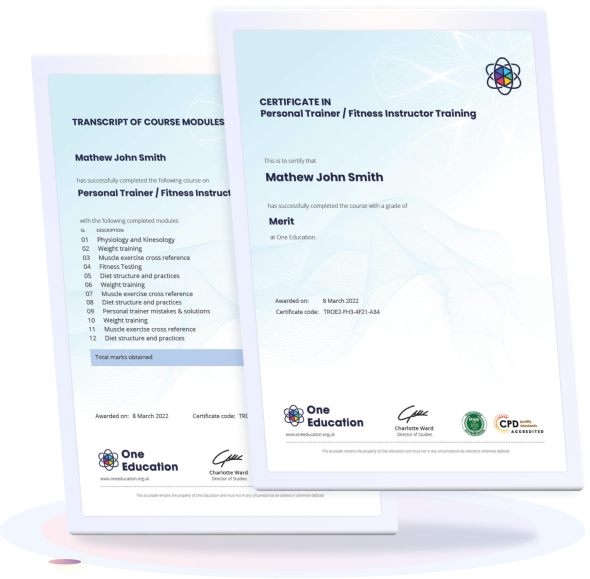
one education Certificate

After completing the Food Allergen Awareness course assessment, you will be eligible to receive a CPD-accredited certificate worth £9 from One Education to demonstrate your achievement.

The certificate is also available as a printed hard copy delivered by post for £15.

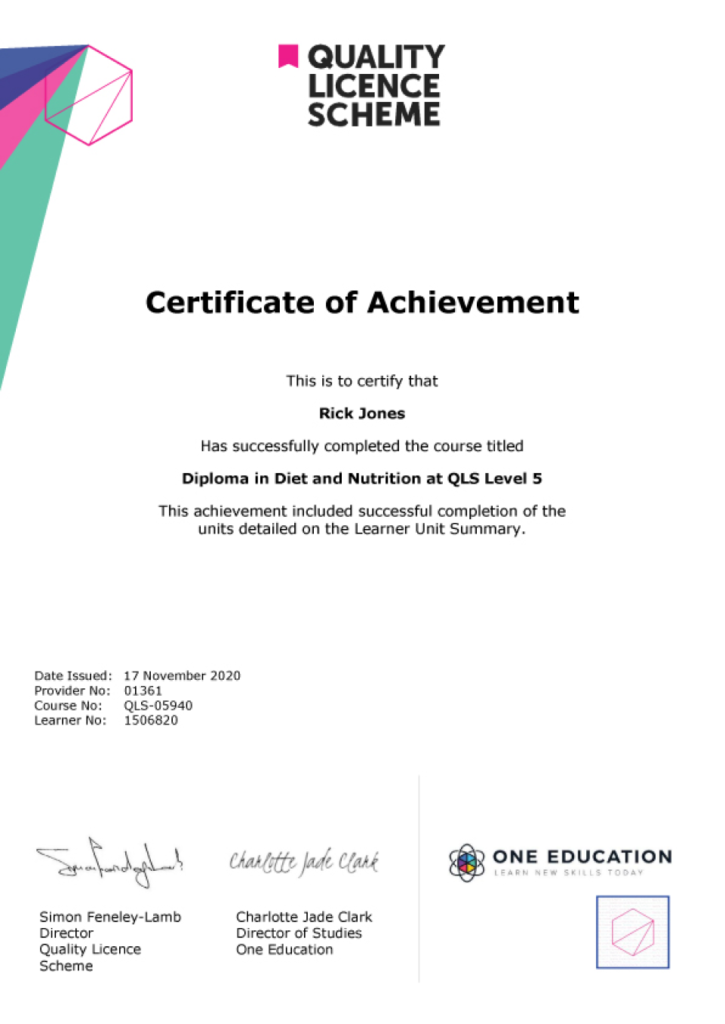
EXAMPLE - QLS Certificate 2020 1

Quality Licence Scheme Endorsed Certificate

Learners also have the option to order a Quality Licence Scheme (QLS) Endorsed Certificate as additional proof of achievement. The QLS Endorsed Certificate can be delivered by post for £79, with an additional £10 postage charge for international students.

Endorsement

This course has been endorsed by the Quality Licence Scheme for its high-quality, non-regulated provision and training programmes. This course is not regulated by Ofqual and is not an accredited qualification. Your training provider will be able to advise you on any further recognition, for example progression routes into further and/or higher education. For further information please visit the Learner FAQs on the Quality Licence Scheme website.

Why Study This Food Allergen Awareness Course?

Studying Food Allergen Awareness helps learners understand how food allergies and intolerances occur, and the potential risks they pose to individuals in catering, hospitality, and care environments. It promotes safe food handling and informed ingredient awareness.

This course develops knowledge of common allergens, labelling requirements, and cross-contamination prevention. It is essential for anyone working in food preparation or service roles, ensuring compliance with safety standards and protecting individuals with dietary sensitivities.

Course Duration

The Food Allergen Awareness course has a total study time of 1 week, 2 days. Learners can progress through the programme at a flexible pace, allowing them to develop essential knowledge of food allergens, safety practices, and risk awareness while balancing study with other personal or professional commitments.

Requirements

The Food Allergen Awareness course requirements are simple and suitable for all learners, including beginners in food safety and hospitality. No prior experience is required, although an interest in food hygiene, safety standards, and protecting consumer health is beneficial. The course is fully online, requiring only internet access and a digital device for flexible self-paced study.

Career Path

Frequently Asked Questions

It is training that helps people understand food allergies, their risks, and how to handle food safely.

It helps prevent allergic reactions and ensures food safety for people with allergies.

Common allergens include nuts, milk, eggs, gluten, soy, fish, shellfish, and sesame.

It is suitable for food handlers, hospitality staff, healthcare workers, and carers.

You will learn how to identify allergens, prevent cross-contamination, and follow food safety laws.

It is when allergens are accidentally transferred from one food to another, causing safety risks.

Course Curriculum

Food Allergen Awareness
Module 01: Basics of Food Allergens
Module 01: Basics of Food Allergens 00:16:00
Assessment Module 01
Module 01 Final Quiz Exam – Food Allergen Awareness Level 3 00:20:00
Module 02: Allergen Guidance for Food Businesses
Module 02: Allergen Guidance for Food Businesses 00:24:00
Assessment Module 02
Module 02 Final Quiz Exam – Food Allergen Awareness Level 3 00:20:00
Module 03: Allergen Guidance for Consumers
Module 03: Allergen Guidance for Consumers 00:17:00
Assessment Module 03
Module 03 Final Quiz Exam – Food Allergen Awareness Level 3 00:20:00
Module 04: Allergic Reactions and Treatments
Module 04: Allergic Reactions and Treatments 00:23:00
Assessment Module 04
Module 04 Final Quiz Exam – Food Allergen Awareness Level 3 00:10:00
Recommended Readings and Optional Assignment
Recommended Readings
Recommended Readings – Food Allergen Awareness Level 3 4 days, 22 hours
Optional Assignment
Optional Assignment – Food Allergen Awareness Level 3 4 days, 23 hours
top