Gas Safety

Learn essential gas safety principles, hazard identification, safe handling practices, and emergency response procedures to prevent accidents, ensure compliance, and protect lives in domestic and workplace environments effectively today consistently.
Gas Safety

Get access to 5000+ courses including this for only £49. Learn More.

Overview of Gas Safety

Gas Safety training covers essential gas safety basics, including leak detection, gas hazards, and carbon monoxide risk awareness. Learners understand ventilation rules and pipeline safety to prevent incidents. The course builds strong knowledge for safe handling of gas systems in residential and industrial environments.

Gas appliance safety, pressure regulation, and pipeline safety are core topics in the curriculum. Through modules on transmission systems, meter regulator checks, and safety inspection procedures, learners gain practical skills to ensure compliant gas installation, efficient combustion, and reliable performance of gas systems.

Emergency shutdown procedures, gas warning labelling, and emergency and evacuation protocols are essential for gas safety management. The course teaches emergency isolation controls and valves, along with safety inspection techniques, ensuring quick response to gas leaks, minimizing risks, and maintaining safe operational environments.

The course was audited and updated on: 22nd April, 2026

Learning Outcomes of Gas Safety

Method Of Assessment​

Learners complete an assignment designed to evaluate their understanding of the course content. The assignment is reviewed by qualified tutors who provide personalised feedback, allowing learners to demonstrate their applied knowledge and skills.

Certification

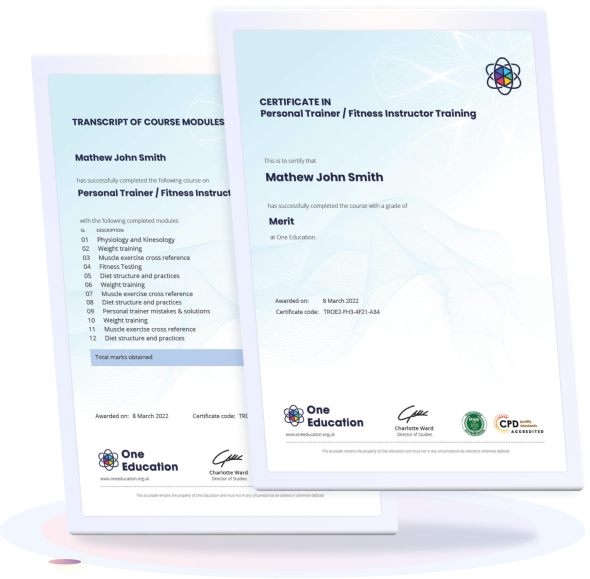
one education Certificate

After completing the Gas Safety course assessment, you will be eligible to receive a CPD-accredited certificate worth £9 from One Education to demonstrate your achievement.

The certificate is also available as a printed hard copy delivered by post for £15.

Why Study This Gas Safety Course?

Studying a Gas Safety course is essential for understanding safe installation, maintenance, and handling of gas systems. It helps reduce risks of leaks, explosions, and carbon monoxide hazards while ensuring compliance with current safety regulations and industry standards.

Completing this course strengthens practical skills and awareness needed in domestic and commercial gas environments. It supports career progression in engineering and maintenance roles while demonstrating competence, professionalism, and commitment to maintaining high safety standards within the gas industry.

Course Duration

The “Gas Safety” course has a total study time of 10 hours and 29 minutes. Learners can complete the training at a flexible pace, allowing them to fit the modules around their own schedule while ensuring a thorough understanding of essential gas safety principles and practices.

Requirements

The gas safety course online requirements are straightforward and accessible. Learners should have a basic understanding of workplace safety, an interest in gas systems, and a willingness to learn. The course is fully online, requiring only an internet-enabled device, allowing flexible study from any location at your own pace.

Career Path

Frequently Asked Questions

Gas safety refers to the safe use, handling, and maintenance of gas systems to prevent leaks, fires, or explosions.

It helps protect lives and property by reducing risks like gas leaks, carbon monoxide poisoning, and fire hazards.

Signs include a rotten egg smell, hissing sound near pipes, and dizziness or headaches indoors.

Turn off the gas supply, avoid using electrical switches, open windows, and leave the area immediately before calling emergency services.

Gas appliances should be inspected at least once a year by a qualified professional.

Yes, poor ventilation can lead to dangerous gas buildup and increase the risk of carbon monoxide poisoning.

Course Curriculum

Module 01: Gas Safety Legislation
Gas Safety Legislation 00:41:00
Module 02: Combustion
Combustion 00:29:00
Module 03: Transmission System: Pipes and Flues
Transmission System Pipes and Flues 00:36:00
Module 04: Ventilation
Ventilation 00:27:00
Module 05: Tightness Testing
Tightness Testing 00:41:00
Module 06: Meter Regulator Check
Meter Regulator Check 00:28:00
Module 07: Appliance Pressures and Gas Rates
Appliance Pressures and Gas Rates 00:26:00
Module 08: Emergency Isolation Controls and Valves
Emergency Isolation Controls and Valves 01:15:00
Module 09: Gas Safety Devices and Controls
Gas Safety Devices and Controls 00:41:00
Module 10: Gas Warning Labelling
Gas Warning Labelling 00:34:00
Module 11: Emergency and Evacuation Procedures
Emergency and Evacuation Procedures 00:33:00
Module 12: Chimney Standards, Inspection and Testing
Chimney Standards, Chimney Inspection and Testing 00:38:00
Module 13: Gas Appliances and Safety
Gas Appliances and Safety 01:00:00
Assignment
Assignment – Gas Safety 02:00:00
top
Home Courses Search