
 Take All courses for £49
Pipe Fitting Course
- Bestseller
- Highly Rated
- Trending
- Featured
- Most Popular
- Video Training
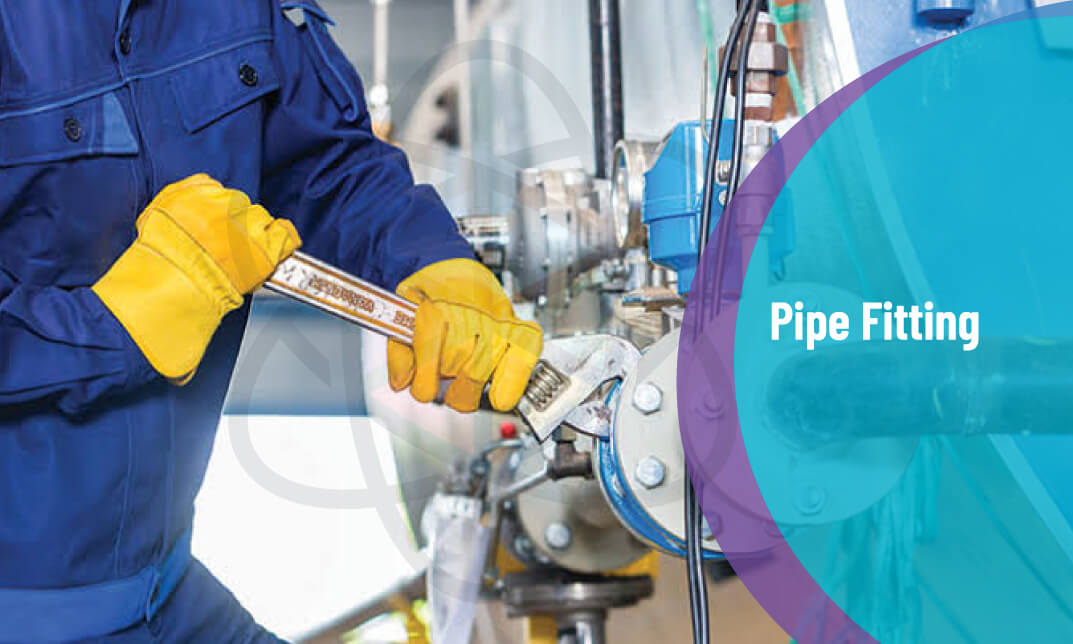
A professional training course introducing the principles of pipe fitting, covering piping layouts, joints, valves, fittings, and UK plumbing standards, with a CPD-recognised certificate awarded on completion.


Pipe Fitting Course
Or
 1 Year Access
  Intermediate
  1131 Students
 -
 3 hours
Course Curriculum
| Pipe Fitting Course | |||
| Module 01: Layout of Piping System | 00:10:00 | ||
| Module 02: Types of Pipes and Pipe Materials | 00:10:00 | ||
| Module 03: Types of Pipe Joints | 00:15:00 | ||
| Module 04: Types of Valves | 00:15:00 | ||
| Module 05: Types of Fittings | 00:10:00 | ||
| Module 06: Piping Nipples, Flanges and Gaskets | 00:15:00 | ||
| Module 07: Pipe Support and Hanger | 00:10:00 | ||
| Module 08: Hydrostatic Principles and Backflow | 00:20:00 | ||
| Module 09: Principle of Plumbing and Plumbing Tools | 00:20:00 | ||
| Module 10: UK Standard of Plumbing | 00:15:00 | ||
| Mock Exam | |||
| Mock Exam – Pipe Fitting Course | 00:20:00 | ||
| Final Exam | |||
| Final Exam – Pipe Fitting Course | 00:20:00 | ||
| Order your Accredited Certificate directly from CPDQS | |||
| Order your Accredited Certificate directly from CPDQS | 00:00:00 | ||
| Thanks for learning with us, we appreciate your feedback. | |||
| We Appreciate Your Feedback | 00:00:00 | ||
Pipe Fitting Course