Professional Bookkeeping

Professional bookkeeping ensures accurate financial records, organised transactions, and reliable reporting. It supports informed business decisions, maintains compliance with regulations, improves cash flow management, and strengthens overall financial stability and operational efficiency.


Professional Bookkeeping Course
qls cpdacree ukrlp 24hs fullonline 14days

Get access to 5000+ courses including this for only £49. Learn More.

Overview of Professional Bookkeeping

Professional Bookkeeping provides a practical foundation in essential Bookkeeping Skills and Financial Accounting. Learners explore Double-Entry Bookkeeping, common accounting terminology and everyday transactions, building confidence in maintaining accurate financial records and understanding the principles that support effective bookkeeping practices.

This course develops practical knowledge of Ledger Management, Bank Reconciliation, Accounts Payable and Accounts Receivable. Through clear explanations and practical examples, learners gain a stronger understanding of how financial transactions are recorded, organised and reviewed to maintain reliable and up-to-date accounting information.

Designed for learners seeking practical accounting knowledge, Professional Bookkeeping also introduces the fundamentals of Financial Reporting and accurate record keeping. The structured curriculum covers introduction, basic accounting terms, common transactions and practice, helping learners strengthen their bookkeeping abilities and apply essential accounting principles confidently.

The course was audited and updated on: 26th August, 2026

Learning Outcomes of Professional Bookkeeping

Method Of Assessment​

Learners complete an assignment designed to evaluate their understanding of the course content. The assignment is reviewed by qualified tutors who provide personalised feedback, allowing learners to demonstrate their applied knowledge and skills.

Certification

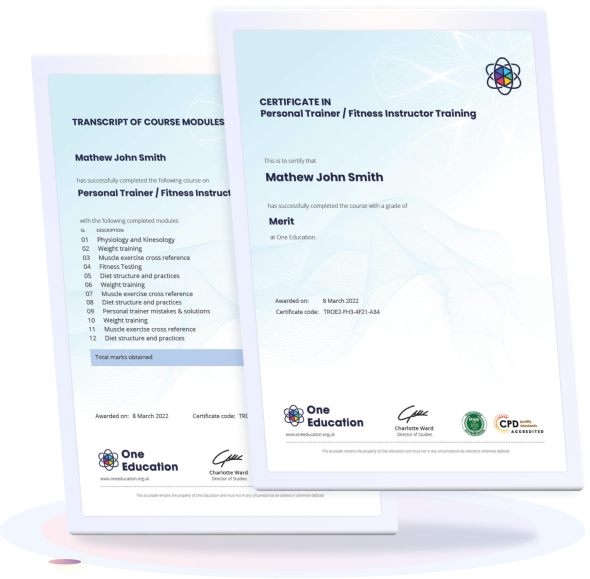
one education Certificate

After completing the Professional Bookkeeping course assessment, you will be eligible to receive a CPD-accredited certificate worth £9 from One Education to demonstrate your achievement.

The certificate is also available as a printed hard copy delivered by post for £15.

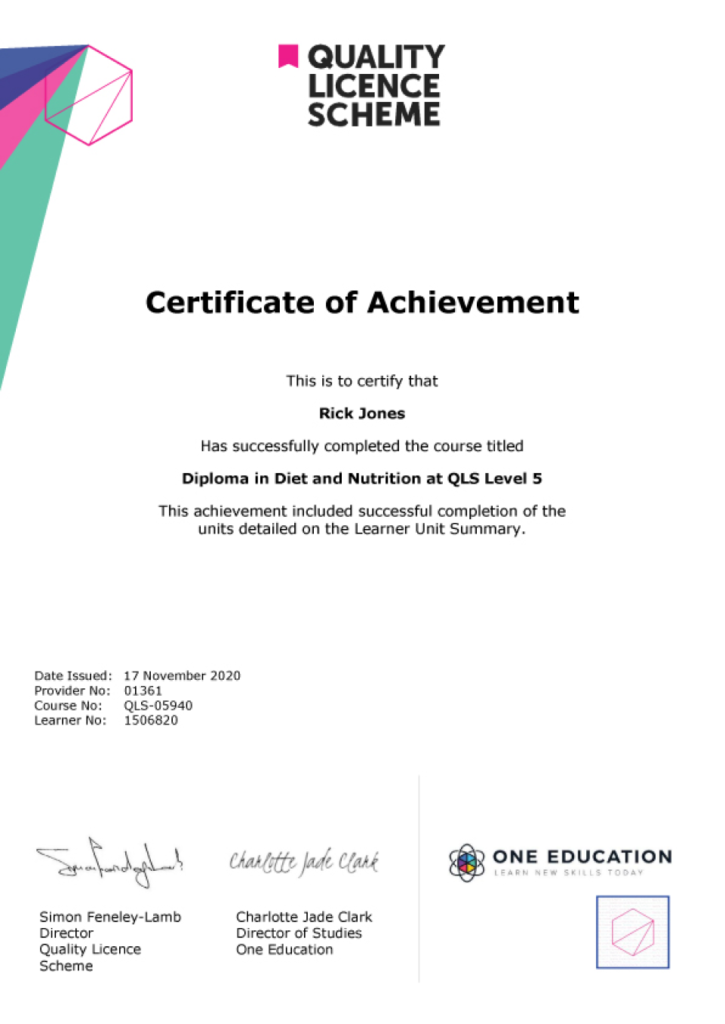
EXAMPLE - QLS Certificate 2020 1

Quality Licence Scheme Endorsed Certificate

Learners also have the option to order a Quality Licence Scheme (QLS) Endorsed Certificate as additional proof of achievement. The QLS Endorsed Certificate can be delivered by post for £69, with an additional £10 postage charge for international students.

Endorsement

This course has been endorsed by the Quality Licence Scheme for its high-quality, non-regulated provision and training programmes. This course is not regulated by Ofqual and is not an accredited qualification. Your training provider will be able to advise you on any further recognition, for example progression routes into further and/or higher education. For further information please visit the Learner FAQs on the Quality Licence Scheme website.

Why Study This Professional Bookkeeping Course?

Professional Bookkeeping provides essential knowledge and practical skills for maintaining accurate financial records and supporting business accounting operations. This course helps learners develop Bookkeeping Skills in Financial Accounting, Double-Entry Bookkeeping, Ledger Management, Financial Records, Bank Reconciliation, Accounts Payable, Accounts Receivable, and Financial Reporting.

Studying professional bookkeeping can build confidence in managing day-to-day financial transactions and accounting records. Learners can maintain ledgers, reconcile bank accounts, manage payables and receivables, organise Financial Records, and support accurate Financial Reporting while developing valuable skills for bookkeeping, accounting, finance, and business administration roles.

Course Duration

The Professional Bookkeeping course has a total study timeframe of 2 days, 12 hours. Learners can work through the programme at a flexible pace, developing practical skills in Professional Bookkeeping, Financial Accounting, Double-Entry Bookkeeping, Ledger Management, Financial Records, Bank Reconciliation, Accounts Payable, Accounts Receivable, Bookkeeping Procedures, and Financial Reporting.

Requirements

The Professional Bookkeeping course has no formal entry requirements, making it suitable for beginners and aspiring bookkeeping or accounting professionals. An interest in professional bookkeeping, financial accounting, double-entry bookkeeping, ledger management, financial records, bank reconciliation, accounts payable, accounts receivable, and financial reporting is beneficial. Good English, basic numeracy and computer skills, and reliable internet access are recommended for effective online learning.

Career Path

Frequently Asked Questions

What is the Professional Bookkeeping course?
The Professional Bookkeeping course provides practical knowledge of essential bookkeeping and accounting processes. It covers Professional Bookkeeping, Bookkeeping Skills, Financial Accounting, Double-Entry Bookkeeping, Ledger Management, Financial Records, Bank Reconciliation, Accounts Payable, Accounts Receivable, and Financial Reporting.

Who is the Professional Bookkeeping course suitable for?
The course is suitable for beginners, aspiring bookkeepers, accounting students, finance administrators, business owners, and anyone who wants to develop practical Bookkeeping Skills and a strong foundation in Financial Accounting and bookkeeping procedures.

What will I learn from this Professional Bookkeeping course?
You will explore Introduction, Basic Accounting Terms, Common Transactions, and further topics covering fundamental bookkeeping principles and processes. The course helps develop knowledge of Double-Entry Bookkeeping, Ledger Management, Financial Records, and everyday accounting transactions.

What is Double-Entry Bookkeeping?
Double-Entry Bookkeeping is an accounting system where each financial transaction is recorded in at least two corresponding accounts. It helps maintain balanced records and provides a structured foundation for accurate Financial Accounting and Financial Reporting.

What are Bank Reconciliation, Accounts Payable, and Accounts Receivable?
Bank Reconciliation involves comparing bookkeeping records with bank statements to identify differences. Accounts Payable represents amounts a business owes to suppliers, while Accounts Receivable represents amounts owed to the business by customers.

What are the benefits of studying Professional Bookkeeping?
The course can strengthen your knowledge of Professional Bookkeeping, Bookkeeping Skills, Financial Accounting, Double-Entry Bookkeeping, Ledger Management, Financial Records, Bank Reconciliation, Accounts Payable, Accounts Receivable, and Financial Reporting, providing a useful foundation for bookkeeping and accounting responsibilities.

Course Curriculum

Section 01: Introduction
Introduction 00:01:00
Section 02: Basic Accounting Terms
Difference between Bookkeeping and Accounting 00:01:00
Accounting Equation – Assets, Liabilities and Owners’ Equity 00:04:00
Expanded Accounting Equation – Revenues and Expenses 00:02:00
Transactions 00:02:00
Accounts 00:03:00
Accrual Accounting System 00:03:00
Double-Entry Accounting System – General Journal and General Ledger 00:03:00
Recording Transactions 00:02:00
Section 03: Common Transactions
Credit Purchases 00:02:00
Cash Purchases 00:01:00
Credit Sales 00:04:00
Cash Sales 00:02:00
Unearned Revenues 00:02:00
Prepaid Expenses 00:02:00
Unrecorded Expenses 00:04:00
Unrecorded Revenue 00:02:00
Depreciation 00:03:00
Types of Discounts 00:03:00
Discount Allowed 00:04:00
Discount Received 00:03:00
Section 04: Practice
Exercise 1 00:03:00
Exercise 2 00:03:00
Exercise 3 00:03:00
Exercise 4 00:01:00
Exercise 5 00:01:00
Assignment
Assignment – Professional Bookkeeping 2 days, 11 hours
Order Your Certificate
Order Your Certificate QLS 00:00:00
Professional Bookkeeping
top