Quality Assurance

  • Bestseller
  • Great Service
  • Highly Rated
  • Trending

Quality Assurance ensures products and services meet defined standards through systematic monitoring, testing, and continuous improvement. Strong Quality Assurance practices help organisations maintain reliability, enhance customer satisfaction, and support consistent operational performance.

Quality Assurance

Get access to 5000+ courses including this for only £49. Learn More.

Overview of Quality Assurance

Quality Assurance course provides comprehensive understanding of QA Processes and Quality Standards used across industries. Learners gain skills in Test Planning, Defect Tracking, and Process Auditing to ensure product reliability. The curriculum also emphasizes Compliance Checks and systematic approaches that strengthen overall software and business quality management practices effectively and efficiently.

Quality Assurance training focuses on Continuous Improvement and Risk Assessment techniques essential for delivering high-performing systems. Students learn Performance Testing methods and how to analyze Quality Metrics for better decision-making. The curriculum integrates Total Quality Management principles, helping professionals maintain consistency, reduce risks, and enhance operational excellence in real-world environments.

Course modules cover Defining Quality, Monitoring and Controlling Quality, and Methods of Controlling Quality to build strong foundational expertise. Learners explore Key Performance Indicators, Customer Satisfaction, and Reviewing Quality to measure success. This structured approach ensures alignment with industry expectations and improves long-term quality assurance effectiveness across projects and organizations.

The course was audited and updated on: 29th May, 2026

Learning Outcomes of Quality Assurance

Certification

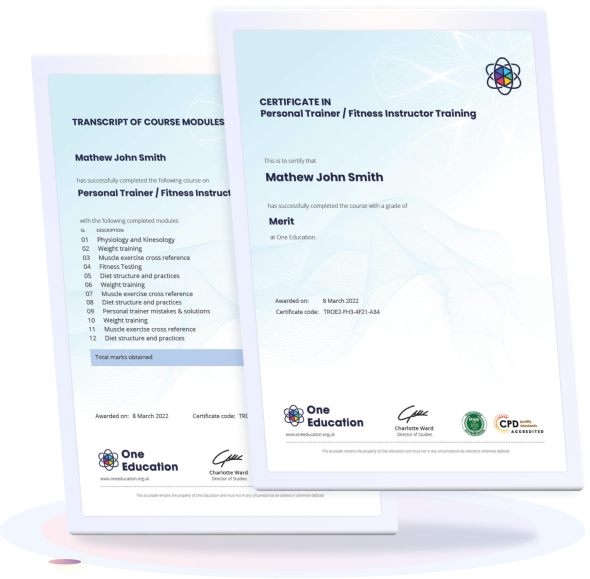
one education Certificate

After completing the Quality Assurance course assessment, you will be eligible to receive a CPD-accredited certificate worth £9 from One Education to demonstrate your achievement.

The certificate is also available as a printed hard copy delivered by post for £15.

Why Study This Quality Assurance Course?

Why Study This Quality Assurance Course? Quality assurance is essential for ensuring products and services consistently meet required standards, customer expectations, and regulatory requirements across a wide range of industries.

Studying this course develops skills in quality control processes, auditing, and performance evaluation. It strengthens attention to detail and analytical thinking, enabling professionals to identify issues early and support continuous improvement within organisations.

Course Duration

The Quality Assurance Course has a total study time of 1 hour, 55 minutes. Learners can complete the programme at a flexible, self-paced schedule, allowing them to develop essential understanding of quality assurance principles, monitoring processes, and continuous improvement practices in a way that fits comfortably around their availability and learning needs.

Requirements

The Quality Assurance course requirements are suitable for learners interested in maintaining standards and improving processes across industries. Applicants should have basic analytical and problem-solving skills, attention to detail, and an understanding of workplace procedures. Access to an internet-enabled device is required for flexible, self-paced online learning.

Career Path

Frequently Asked Questions

Quality Assurance is a systematic process used to ensure that products, services, and processes meet defined standards and consistently deliver quality outcomes.

It is suitable for quality assurance officers, managers, supervisors, production staff, healthcare workers, and anyone involved in maintaining standards within an organisation.

You will learn about quality standards, quality control processes, audits, inspections, documentation, continuous improvement, and compliance requirements.

No, it is suitable for beginners, although basic knowledge of workplace processes is helpful.

It helps improve consistency, reduce errors, ensure compliance with regulations, and enhance customer satisfaction.

Quality Assurance focuses on preventing defects through processes and systems, while Quality Control focuses on identifying defects in finished products or services.

Course Curriculum

Module 01: Defining Quality
Defining Quality 00:20:00
Module 02: Role of Monitoring and Conrolling Quality
Role of Monitoring and Conrolling Quality 00:19:00
Module 03: Methods of Controlling Quality
Methods of Controlling Quality 00:14:00
Mdoule 04: Total Quality Management (TQM)
Total Quality Management (TQM) 00:16:00
Module 05: Key Performance Indicators
Key Performance Indicators 00:15:00
Module 06: Customer Satisfaction
Customer Satisfaction 00:15:00
Module 07: Reviewing Quality
Reviewing Quality 00:16:00
Order Your Certificate
Order Your Certificate Now 00:00:00
top
Home Courses Search