Restraint Awareness

Restraint Awareness

Get access to 5000+ courses including this for only £49. Learn More.

Overview of Restraint Awareness

Restraint Awareness is a comprehensive training course focused on improving patient safety, safeguarding vulnerable individuals, and promoting ethical care in healthcare and social settings. It covers essential principles of restraint, de-escalation, and behaviour management while ensuring legal compliance and risk management. The course supports mental health care professionals in conflict resolution.

Module-based curriculum develops practical skills in restraint awareness, behavioural approaches, communication skills, and risk management. Learners gain expertise in de-escalation techniques, patient safety strategies, and ethical care practices. The training also strengthens legal compliance understanding and conflict resolution abilities essential for mental health care and effective behaviour management in high-risk environments.

Restraint Awareness ensures continuous improvement in safeguarding vulnerable populations through post-incident management and reflective practice. It emphasises de-escalation, risk management, and ethical care while reinforcing legal compliance and patient safety. Participants learn conflict resolution strategies and behaviour management techniques to support mental health care settings and reduce harmful incidents effectively.

The course was audited and updated on: 27th May, 2026

Learning Outcomes of Restraint Awareness

Certification

one education Certificate

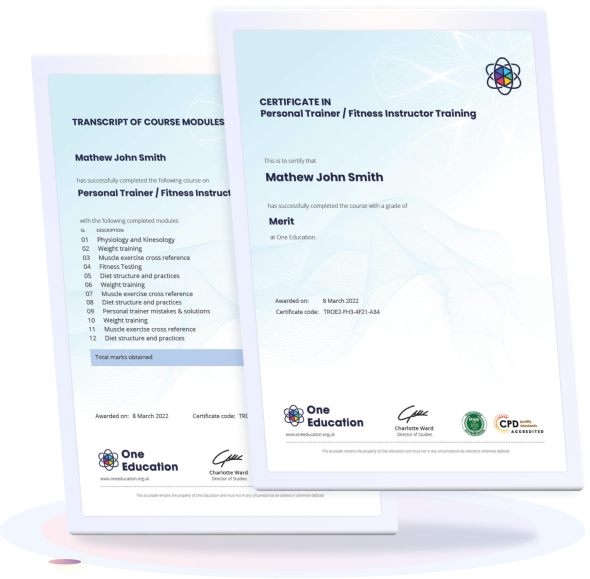
After completing the Restraint Awareness course assessment, you will be eligible to receive a CPD-accredited certificate worth £9 from One Education to demonstrate your achievement.

The certificate is also available as a printed hard copy delivered by post for £15.

Why Study This Restraint Awareness Course?

Why Study This Restraint Awareness Course? There is increasing need for professionals trained in safe restraint practices across care, education, and support settings. Understanding restraint techniques promotes safety, reduces risk, and ensures compliance with safeguarding standards in challenging environments.

Studying this course enhances professional confidence and equips learners with practical skills to manage difficult situations responsibly. It supports better decision-making, strengthens communication, and contributes to safer, more supportive environments for individuals who may require additional behavioural guidance.

Course Duration

The Restraint Awareness Course has a total study time of 1 hour, 37 minutes. Learners can complete the programme at a flexible, self-paced schedule, allowing them to develop essential understanding of restraint principles, safe practice, and safeguarding considerations in a way that fits comfortably around their availability and learning needs.

Requirements

The Restraint Awareness course is suitable for learners working in health and social care, education, mental health services, and support roles where managing challenging behaviour may be required. No prior qualifications are required. Participants need basic literacy skills, internet access, and a device for online study. An interest in safe practice, safeguarding, and the ethical use of restraint is essential.

Career Path

Frequently Asked Questions

It is a safeguarding and health & social care course that explains what restraint is, when it may be used, and how to ensure it is applied safely, legally, and only as a last resort.

It is suitable for care workers, nurses, support workers, teachers, mental health staff, and anyone working with vulnerable individuals who may present challenging behaviour.

You will learn about different types of restraint, legal and ethical considerations, de-escalation techniques, risk reduction strategies, and safe practice guidelines.

No, it is designed for beginners in health and social care or those requiring refresher training.

It helps protect individuals from harm, ensures staff act within legal frameworks, and promotes safer, more respectful care practices.

De-escalation techniques, communication skills, distraction methods, and personalised behaviour support plans should always be attempted first.

Course Curriculum

Module 1 Introduction to Restraint Awareness
Introduction to Restraint Awareness 00:16:00
Module 2 Behavioural Approaches
Behavioural Approaches 00:16:00
Module 3 Risk Assessment and Management
Risk Assessment and Management 00:15:00
Module 4 Communication Skills
Communication Skills 00:13:00
Module 5 Post-Incident Management
Post-Incident Management 00:16:00
Module 6 Safeguarding Vulnerable Populations
Safeguarding Vulnerable Populations 00:21:00
Order Your Certificate
Order Your Certificate Now 00:00:00
top
Home Courses Search