Secure Programming of Web Applications - Developers and TPMs

Secure Programming of Web Applications for Developers and TPMs explains how to design and build web applications with security in mind. This course covers secure coding practices, common vulnerabilities, risk mitigation techniques, and security-focused development principles, helping learners understand how to protect web applications throughout the development lifecycle.


Secure Programming of Web Applications - Developers and TPMs

Get access to 5000+ courses including this for only £49. Learn More.

Overview of Secure Programming of Web Applications

Secure web application development begins with strong secure coding practices and application security principles. This course introduces OWASP Top 10 risks, threat modeling fundamentals, and security architecture for web apps.

Developers examine common vulnerabilities including injection, XSS, CSRF, authentication flaws and third-party risks, aligning secure SDLC processes with Secure DevOps (DevSecOps) to strengthen application vulnerability management across modern web applications.

Through practical examples, learners explore web application risk assessment, secure programming decisions and defensive design. Emphasis on monitoring, middleware security and secure deployment supports resilient, compliant and scalable web applications.

Learning Outcomes of Secure Programming of Web Applications

Method Of Assessment​

Learners complete an assignment designed to evaluate their understanding of the course content. The assignment is reviewed by qualified tutors who provide personalised feedback, allowing learners to demonstrate their applied knowledge and skills.

Certification

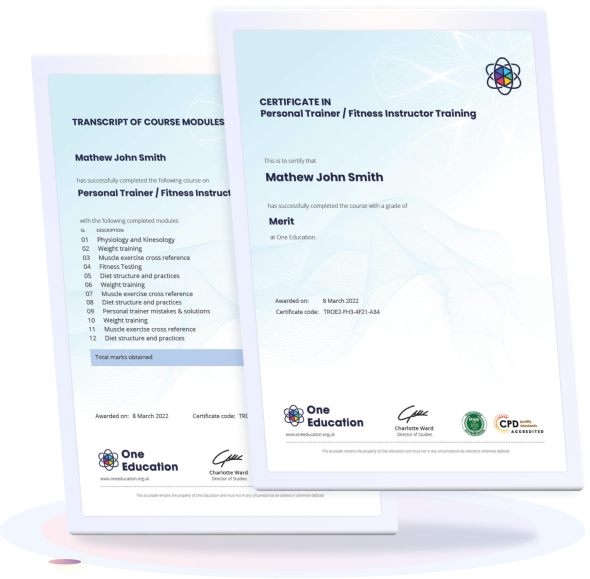
one education Certificate

After completing the Secure Programming of Web Applications assessments, learners qualify for a CPD QS accredited certificate from One Education.

The certificate is available in two formats: a PDF version for £9 or a printed hard copy delivered by post for £15.

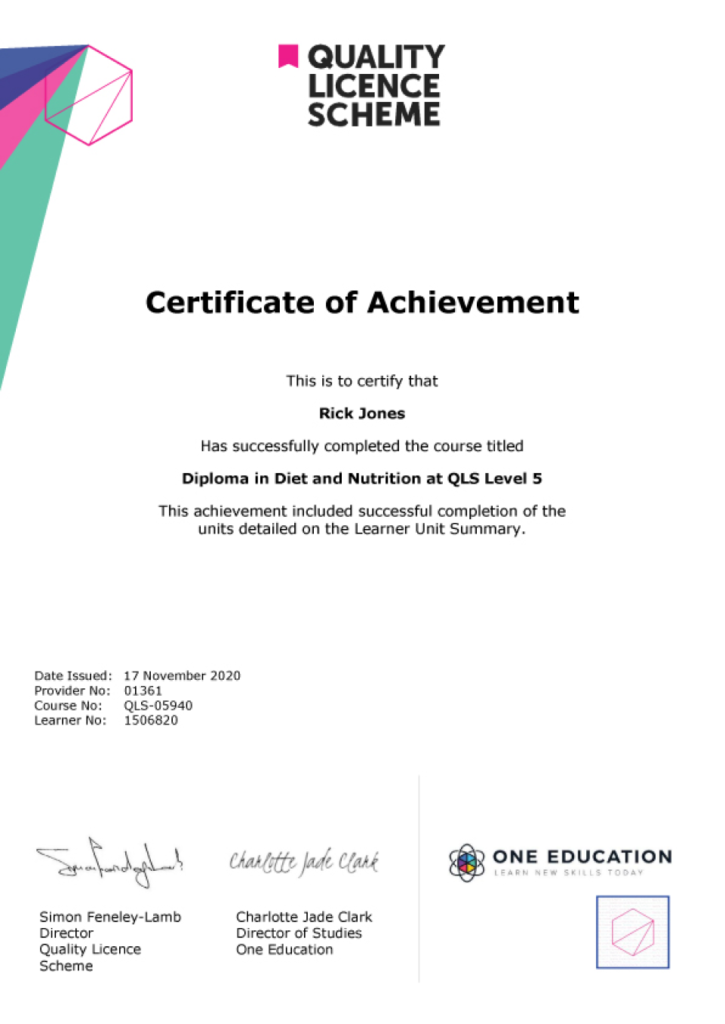
EXAMPLE - QLS Certificate 2020 1

Quality Licence Scheme Endorsed Certificate

Learners also have the option to order a Quality Licence Scheme (QLS) Endorsed Certificate as additional proof of achievement. The QLS Endorsed Certificate can be delivered by post for £69, with an additional £10 postage charge for international students.

Endorsement

This course has been endorsed by the Quality Licence Scheme for its high-quality, non-regulated provision and training programmes. This course is not regulated by Ofqual and is not an accredited qualification. Your training provider will be able to advise you on any further recognition, for example progression routes into further and/or higher education. For further information please visit the Learner FAQs on the Quality Licence Scheme website.

Why Study This Secure Programming of Web Applications?

Web applications remain a primary target for cyber attacks, making secure development skills essential for developers, engineers, and technical project managers. Organisations increasingly seek professionals who understand how vulnerabilities arise and how security can be embedded throughout the software development lifecycle.

Studying Secure Programming of Web Applications strengthens awareness of common threats, secure coding principles, and risk-aware development practices aligned with modern security standards. CPD recognition supports continuous professional development, reinforces credibility in technical roles, and demonstrates a proactive commitment to building safer, more resilient web applications.

Course Duration

The Secure Programming of Web Applications course is designed to be completed over 2 days and 12 hours of structured learning. The programme is organised into focused modules that allow learners to progress steadily through the content, with enough time to review key concepts and reinforce understanding. Completion within this duration depends on individual availability and engagement, enabling participants to plan their study around existing professional or personal commitments.

Requirements

The Secure Programming of Web Applications course has straightforward entry requirements. Learners should have a basic understanding of software development concepts, web technologies, and general programming principles. Familiarity with how web applications function, including common security risks, is helpful but not essential. An interest in building secure systems and improving application security awareness is encouraged. The course is delivered entirely online and can be accessed on any internet-enabled device, allowing learners to study remotely in a way that fits around their existing commitments.

Career Path

Frequently Asked Questions

Secure programming in web applications focuses on writing code that prevents vulnerabilities such as injection attacks, data exposure, and unauthorised access throughout the application lifecycle.

Web application security protects sensitive data, maintains system reliability, and reduces the risk of breaches that could cause financial loss, reputational damage, or regulatory issues.

Yes, the course explains the OWASP Top 10, outlining common web application risks and how secure coding practices help reduce exposure to these threats.

The course addresses input validation, authentication handling, session management, access control, and defensive coding approaches used in secure web application development.

Threat modelling is covered to help learners identify potential attack paths, assess application risks, and design security controls early in the development process.

Secure programming supports the Secure Software Development Life Cycle by embedding security considerations into design, development, testing, and deployment stages.

Course Curriculum

Section 01: Introduction
Introduction and motivation 00:02:00
Well-known Vulnerabilities Overview 00:02:00
Causes & Background 00:09:00
Secure Programming in general 00:03:00
Section 02: Well-known Vulnerabilities and Secure Programming
Code/Command Injection 00:03:00
(No)SQL Code Injection 00:04:00
Cross-Site Request Forgery (CSRF) 00:05:00
Cross-Site Scripting (XSS) 00:05:00
Open Redirection 00:04:00
File Inclusion / Directory Traversal 00:05:00
Clickjacking 00:04:00
Session-Hijacking 00:07:00
Information Disclosure 00:03:00
Authentification 00:07:00
Denial of Service 00:05:00
Middleware 00:01:00
Third-Party Software 00:01:00
Section 03: Conclusion and Summary
Conclusion and Summary 00:04:00
Assignment
Assignment – Secure Programming of Web Applications – Developers and TPMs 2 days, 11 hours
Order Your Certificate
Order Your Certificate QLS 00:00:00
top