Supervision in Adult Care

  • Bestseller
  • Great Service
  • Highly Rated
  • Trending
Supervision in Adult Care

Get access to 5000+ courses including this for only £49. Learn More.

Overview of Supervision in Adult Care

Supervision in Adult Care is a comprehensive course designed to strengthen Supervision practices within Adult care services. It equips Support workers and managers with essential Guidance to improve Performance, Accountability, and Safeguarding standards. The programme promotes Reflective practice and Professional development, ensuring high-quality care delivery and effective leadership across diverse care settings.

The curriculum explores key modules including Principles, Theories and Models, Activities and Processes, Internal and External Factors, and Power Imbalance in supervision. It helps Support workers understand how Supervision improves Performance and Accountability while strengthening Safeguarding and Guidance systems. Learners develop Reflective practice and Professional development skills for effective Adult care leadership.

This course further examines how Well-being impacts Performance through Supervision and Team management in Adult care environments. It highlights Module 06 and Module 07, focusing on enhancing Support workers’ accountability, Safeguarding, and Reflective practice. Learners gain Guidance to improve Professional development, ensuring effective leadership, better care outcomes, and sustainable workforce wellbeing in practice.

The course was audited and updated on: 10th May, 2026

Learning Outcomes of Supervision in Adult Care

Certification

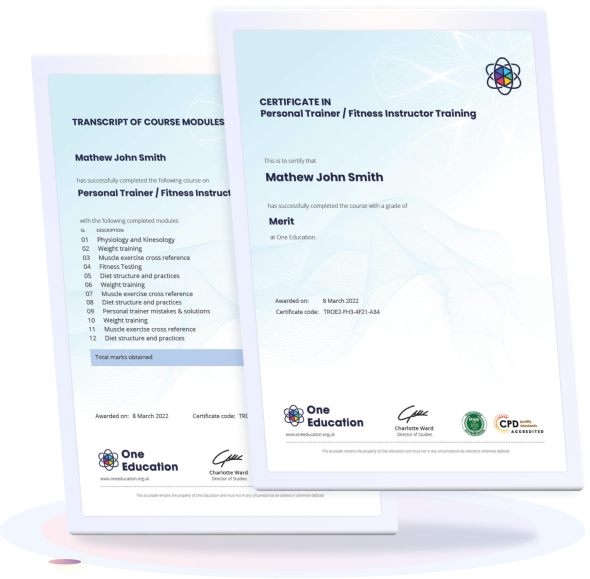
one education Certificate

After completing the Supervision in Adult Care course assessment, you will be eligible to receive a CPD-accredited certificate worth £9 from One Education to demonstrate your achievement.

The certificate is also available as a printed hard copy delivered by post for £15.

Why Study This Supervision in Adult Care Course?

Studying Supervision in Adult Care helps learners understand the importance of structured support, guidance, and performance monitoring within care environments. It explores effective supervision models, communication methods, and the role of reflective practice in improving service quality.

This course equips professionals with skills to support staff development, address challenges, and maintain accountability. It promotes a positive working culture, enhances team effectiveness, and ensures safe, person-centred care delivery for all service users.

Course Duration

The Supervision in Adult Care Course has a total study time of 1 hour, 39 minutes. Learners can complete the programme at a flexible, self-paced schedule, allowing them to develop essential knowledge of supervision principles, leadership, and effective team support in adult care settings in a way that fits comfortably around their availability and learning needs.

Requirements

The Supervision in Adult Care course is suitable for learners working in health and social care, particularly those in team leader or supervisory roles, as well as anyone aspiring to take on leadership responsibilities. No prior qualifications are required, though basic understanding of care settings is helpful. Participants need internet access and a device for online study. An interest in supporting staff development, improving care quality, and effective team management is essential.

Career Path

Frequently Asked Questions

It is a structured process where care staff meet with a supervisor to discuss their work, performance, development, and wellbeing, ensuring safe and effective care delivery.

It is suitable for care workers, senior carers, team leaders, supervisors, and managers in adult social care settings.

You will learn about the purpose of supervision, types of supervision, communication skills, performance review, reflective practice, and staff support.

Yes, it is generally intended for staff already working in care or those moving into supervisory roles.

It improves staff performance, supports professional development, ensures accountability, and enhances the quality of care provided.

It depends on workplace policy, but it is usually held regularly (e.g., monthly or quarterly) to ensure ongoing support and monitoring.

Course Curriculum

Module 01: Principles, Purpose and Scope
Principles, Purpose and Scope 00:13:00
Module 02: Theories and Models
Theories and Models 00:14:00
Module 03: Activities and Processes
Activities and Processes 00:13:00
Module 04: Internal and External Factors
Internal and External Factors 00:15:00
Module 05: Power Imbalance
Power Imbalance 00:12:00
Module 06: How Well-being Impacts Performance
How Well-being Impacts Performance 00:15:00
Module 07: Supervision and Well-being
Supervision and Well-being 00:17:00
Order Your Certificate
Order Your Certificate Now 00:00:00
top