Treating Post Traumatic Stress Disorder

Learn effective approaches to understanding and treating post-traumatic stress disorder, focusing on symptoms, recovery strategies, and support techniques—ideal for learners seeking knowledge in mental health awareness and care.

Treating Post Traumatic Stress Disorder

Get access to 5000+ courses including this for only £49. Learn More.

Overview of Treating Post Traumatic Stress Disorder

Treating Post Traumatic Stress Disorder is a comprehensive course designed to help individuals understand Trauma and PTSD while building effective Therapy-based Recovery skills. It explores common Triggers, Exposure approaches, EMDR techniques, emotional Regulation, and creating Safety. The program strengthens Resilience through structured learning and practical psychological tools for healing and stability.

This curriculum integrates CBT, DBT, and ACT techniques to help manage Anxiety and PTSD symptoms effectively. Learners explore how to reduce Avoidance, understand emotional Triggers, and process difficult Thoughts of Trauma. The course also addresses Flashbacks, Nightmares, and Intrusions, guiding participants toward healthier Coping strategies and improved emotional balance skills.

The course supports Survivors in moving beyond Trauma by encouraging long-term Recovery and personal Growth. It emphasizes building Resilience, improving emotional Regulation, and learning to respond to Triggers without fear. Through structured Exposure and grounding practices, learners move from surviving to thriving, achieving lasting Safety, confidence, and psychological well-being outcomes.

The course was audited and updated on: 17th May, 2026

Learning Outcomes of Treating Post Traumatic Stress Disorder

Method Of Assessment​

Learners complete an assignment designed to evaluate their understanding of the course content. The assignment is reviewed by qualified tutors who provide personalised feedback, allowing learners to demonstrate their applied knowledge and skills.

Certification

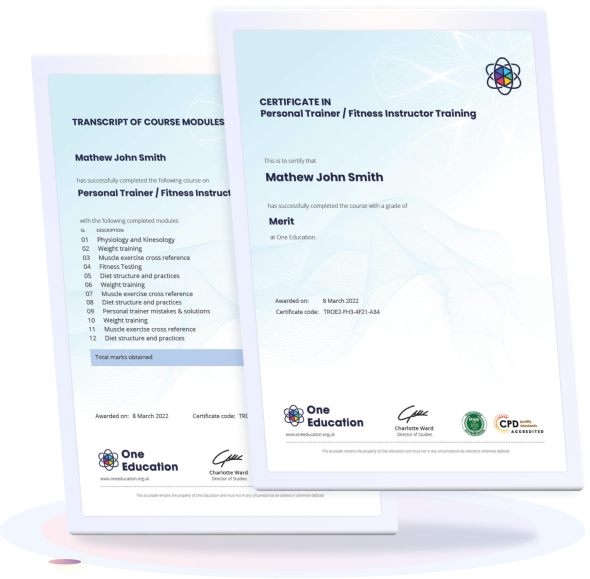
one education Certificate

After completing the Treating Post Traumatic Stress Disorder course assessment, you will be eligible to receive a CPD-accredited certificate worth £9 from One Education to demonstrate your achievement.

The certificate is also available as a printed hard copy delivered by post for £15.

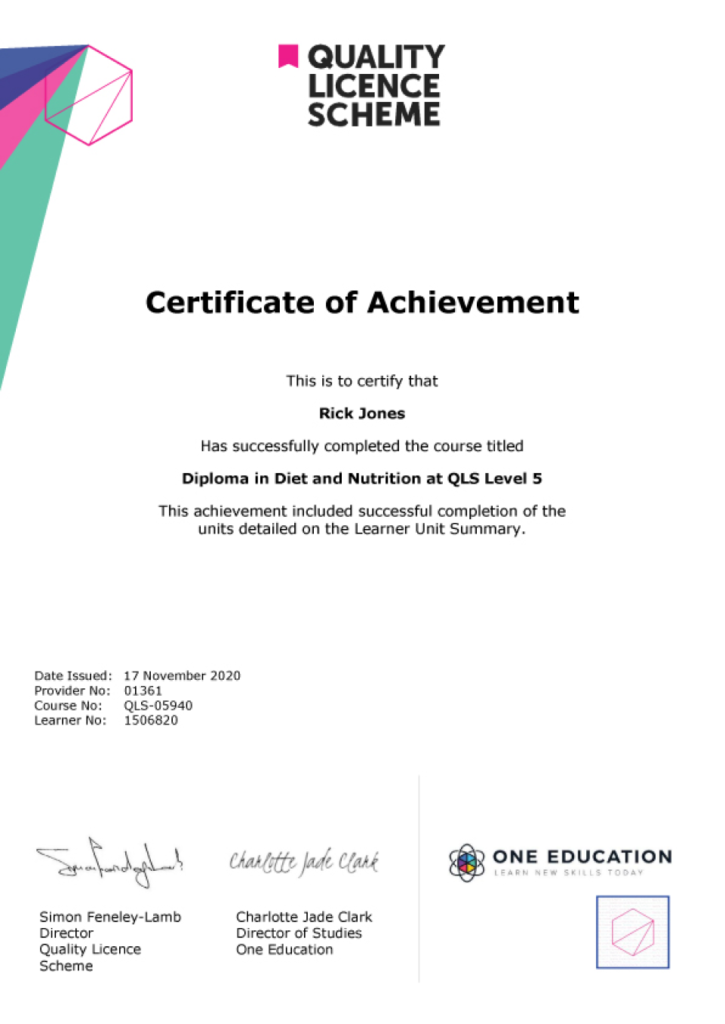
EXAMPLE - QLS Certificate 2020 1

Quality Licence Scheme Endorsed Certificate

Learners also have the option to order a Quality Licence Scheme (QLS) Endorsed Certificate as additional proof of achievement. The QLS Endorsed Certificate can be delivered by post for £109, with an additional £10 postage charge for international students.

Endorsement

This course has been endorsed by the Quality Licence Scheme for its high-quality, non-regulated provision and training programmes. This course is not regulated by Ofqual and is not an accredited qualification. Your training provider will be able to advise you on any further recognition, for example progression routes into further and/or higher education. For further information please visit the Learner FAQs on the Quality Licence Scheme website.

Why Study This Treating Post Traumatic Stress Disorder Course?

Treating Post Traumatic Stress Disorder training helps learners understand the psychological impact of trauma and the evidence-based approaches used in supporting recovery. It builds awareness of symptoms, triggers, and therapeutic strategies that promote emotional stability and long-term healing.

This course also strengthens professional capability in mental health support roles by enhancing empathy, assessment skills, and intervention techniques. It prepares individuals to contribute effectively in clinical, counselling, or support environments focused on trauma-informed care and patient wellbeing.

Course Duration

The Treating Post Traumatic Stress Disorder course has a total study time of 2 weeks, 1 day. Learners can progress through the material at a flexible pace, allowing them to complete the programme conveniently while developing foundational knowledge of PTSD treatment approaches, trauma awareness, and supportive care practices.

Requirements

The Treating Post Traumatic Stress Disorder course requirements are simple and accessible to learners with an interest in mental health. A basic understanding of English, willingness to engage with psychological concepts, and access to an internet-enabled device are recommended. The online course is flexible, allowing study at one’s own pace.

Career Path

Frequently Asked Questions

PTSD is a mental health condition that can develop after experiencing or witnessing a traumatic event. It may involve symptoms such as flashbacks, anxiety, emotional distress, and sleep disturbances.

Treatment often includes psychotherapy (such as trauma-focused therapy), counseling, and in some cases medication prescribed by a qualified mental health professional.

Many people with PTSD experience significant improvement with proper treatment. While some may continue to have mild symptoms, effective therapy can greatly reduce their impact on daily life.

Anyone experiencing ongoing distress, intrusive memories, avoidance behavior, or emotional difficulties after trauma should consider seeking help from a mental health professional.

The duration varies depending on the individual, severity of symptoms, and type of treatment. Some people improve within months, while others may need longer-term support.

Yes, professional support is strongly recommended. PTSD is a serious condition, and trained therapists or psychiatrists can provide safe and effective treatment plans tailored to individual needs.

Course Curriculum

Introduction
Introduction 00:04:00
The approach of the course 00:03:00
Understanding Trauma & PTSD
Section Overview 00:01:00
What Is Trauma? 00:09:00
What Is PTSD? Diagnosis of PTSD 00:10:00
How Are Traumatic Memories Processed? 00:09:00
Physical and Health Issues Associated with Trauma 00:08:00
Thinking about Coping with PTSD & Trauma 00:06:00
Integrating CBT, DBT, ACT Techniques into Your Life
Integrating CBT, DBT, ACT Overview 00:01:00
What is Cognitive Behavioral Therapy (CBT)? 00:03:00
ABC Model – Thought, Emotions & Behavior 00:04:00
Understanding Feedback Loops 00:04:00
Behavioral Coping 00:02:00
Exposure Therapy for PTSD & Trauma 00:07:00
Stress Inoculation Training (SIT) for PTSD & Trauma 00:03:00
Cognitive Processing Therapy (CPT) PTSD & Trauma 00:03:00
What is Dialectical Behavior Therapy (DBT)? 00:08:00
What is Acceptance and Commitment Therapy (ACT)? 00:03:00
ACT in Action! 6 Core Processes 00:12:00
Common Elements of CBT, DBT & ACT 00:05:00
Managing Your Anxiety & PTSD
Building a Strong Foundation: Breathing 00:06:00
Abdominal Breathing for Anxiety 00:05:00
PMR Progressive Muscle Relaxation a CBT Technique for Anxiety & PTSD 00:07:00
Relaxation without Tension a CBT Technique for Anxiety & PTSD 00:02:00
Cue Controlled Relaxation a CBT Technique for Anxiety & PTSD 00:02:00
Using Your Mind to Relax and Develop Awareness 00:03:00
Decreasing the Power of Negative Thoughts 00:06:00
Section Conclusion 00:03:00
Stop Avoiding and Start Living Again
Section Introduction 00:02:00
Self-help: Effects of PTSD on Goals and Values 00:15:00
Self-help: Creating a Change 00:10:00
Self-help: Facing Feared Situation 00:10:00
Self-help: Everyday Mindfulness Exercise 00:05:00
Self-help: Connecting with Others 00:10:00
Self-help: Emotion Diary Cards 00:05:00
Self-help: Identifying Emotions 00:05:00
Decreasing PTSD Symptoms through Writing 00:05:00
Handling Difficult Thoughts of Trauma
8 Limited Thinking Patterns from CBT 00:01:00
Filtering 00:02:00
Polarized Thinking 00:02:00
Overgeneralization 00:02:00
Mind Reading 00:02:00
Catastrophizing 00:01:00
Magnifying 00:02:00
Personalization 00:01:00
Shoulds 00:02:00
Composing Balanced Alternative Thoughts 00:08:00
Coping with Memories, Flashbacks, Nightmares, and Intrusions
Focusing on Your Thoughts 00:07:00
Invalidating Thoughts 00:06:00
Mindfulness and Grounding 00:05:00
Imagery Rehearsal for Nightmares 00:02:00
Developing Wise Mind 00:04:00
Surviving and Thriving as You Look Ahead
Do You Need Professional Help? 00:04:00
Conclusion
Do You Need Therapist? 00:04:00
Conclusion 00:02:00
Resources
Resource – Treating Post Traumatic Stress Disorder 00:00:00
Assignment
Assignment – Treating Post Traumatic Stress Disorder 2 weeks, 1 day
Order Your Certificate
Order Your Certificate QLS 00:00:00
top