
 Take All courses for £49
Virtual Assistant
Virtual Assistant skills enable professionals to deliver remote administrative, technical, and creative support to businesses worldwide, enhancing productivity, streamlining operations, and building flexible, location-independent careers in today’s fast-paced digital economy.



Virtual Assistant
Or
Today's Offer – Only £19 + FREE PDF Certificate!
 1 Year Access
  Level 2
  957 Students
 -
 2 days, 12 hours
Course Curriculum
| Module 01: Introduction to Virtual Assistant | |||
| Introduction to Virtual Assistant | 00:16:00 | ||
| Module 02: Different Types of Virtual Assistants | |||
| Different Types of Virtual Assistants | 00:24:00 | ||
| Module 03: Be a Virtual Assistant | |||
| Be a Virtual Assistant | 00:12:00 | ||
| Module 04: Must-Have Skills for Virtual Assistants | |||
| Must Have Skills for Virtual Assistants | 00:22:00 | ||
| Module 05:Essential Tools for a Virtual Assistant | |||
| Essential Tools for a Virtual Assistant | 00:10:00 | ||
| Module 06: Finding Your Niche | |||
| Finding Your Niche | 00:12:00 | ||
| Module 07: Get Hired for VA Jobs | |||
| Get Hired for VA Jobs | 00:20:00 | ||
| Module 08: How to Set VA Business | |||
| How to Set VA Business | 00:16:00 | ||
| Module 09: Admin Support- a Vital Part of VA | |||
| Admin Support a Vital Part of VA | 00:14:00 | ||
| Module 10: How to Manage Clients | |||
| How to Manage Clients | 00:10:00 | ||
| Module 11: Working with a Virtual Team | |||
| Working with a Virtual Team | 00:12:00 | ||
| Module 12: Data Security Measures | |||
| Data Security Measures | 00:20:00 | ||
| Assignment | |||
| Assignment – Virtual Assistant | 2 days, 9 hours | ||
| Certificate and Transcript | |||
| We Appreciate Your Feedback | 00:00:00 | ||
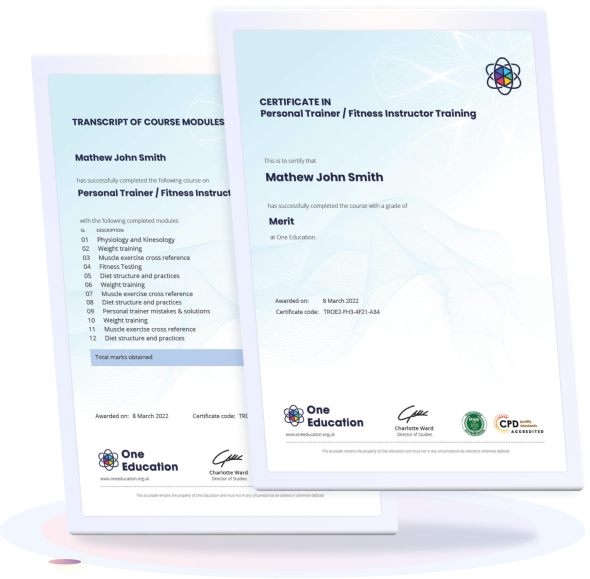
| Collect your Certificate and Transcript | 00:00:00 | ||
| Order your Accredited Certificate directly from CPDQS | 00:00:00 | ||
Virtual Assistant