
 Take All courses for £49
 1 Year Access
 5 Students
  2 weeks, 1 day
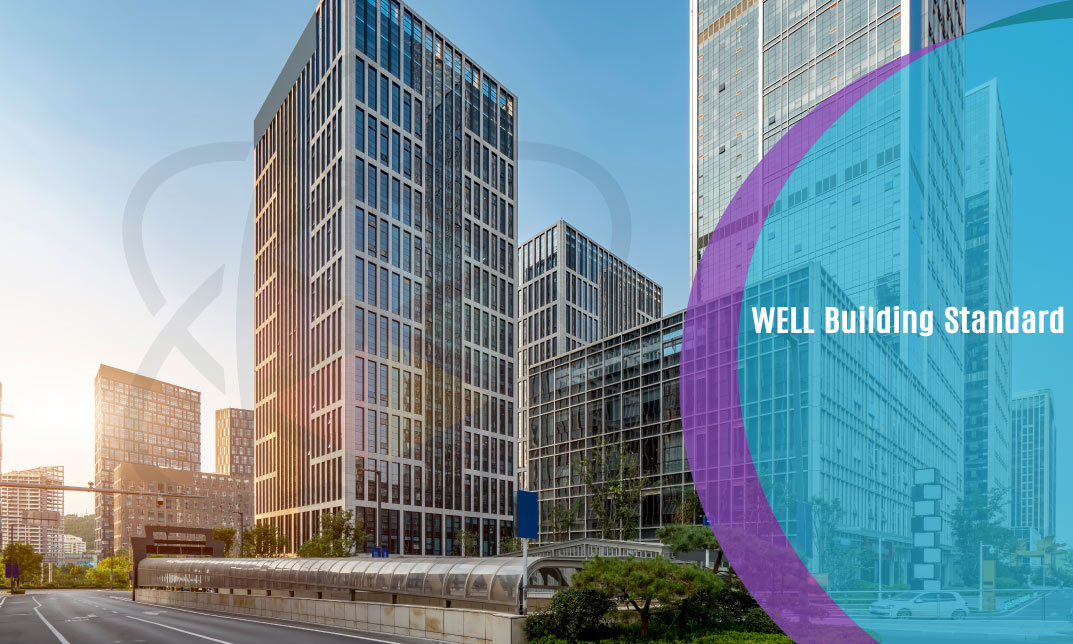
WELL Building Standard
WELL Building Standard is a globally recognised framework that measures, certifies, and monitors building features impacting health, wellbeing, air quality, lighting, comfort, nutrition, and overall occupant performance within indoor environments.



WELL Building Standard
Or
 1 Year Access
 -
Level 4
-
5 Students
-
 2 weeks, 1 day
Course Curriculum
| Unit 1: Introduction | |||
| Module 1: Promotion of WELL | 00:04:00 | ||
| Module 2: Organisation of the Standard | 00:03:00 | ||
| Module 3: Body Systems | 00:09:00 | ||
| Module 4: Project Types | 00:03:00 | ||
| Module 5: Pilot Programmes | 00:04:00 | ||
| Module 6: Scoring | 00:03:00 | ||
| Module 7: Roles & Responsibilities | 00:04:00 | ||
| Module 8: Documentation Requirements | 00:03:00 | ||
| Unit 2: Air | |||
| Module 1: Air Quality Standards | 00:02:00 | ||
| Module 2: Smoking Ban | 00:02:00 | ||
| Module 3: Effectiveness of Ventilation | 00:03:00 | ||
| Module 4: VOC Content | 00:04:00 | ||
| Module 5: Air Filtration | 00:02:00 | ||
| Module 6: Microbe and Mold Control | 00:02:00 | ||
| Module 7: Construction Pollution Management | 00:03:00 | ||
| Module 8: Healthy Entrance | 00:02:00 | ||
| Module 9: Cleaning Protocol | 00:02:00 | ||
| Module 10: Pesticide Management | 00:02:00 | ||
| Module 11: Fundamental Material Safety | 00:06:00 | ||
| Module 12: Moisture Management | 00:03:00 | ||
| Module 13: Airflush | 00:02:00 | ||
| Module 14: Air Filtration System | 00:01:00 | ||
| Module 15: Increased Ventilation | 00:01:00 | ||
| Module 16: Humidity Control | 00:02:00 | ||
| Module 17: Direct Source Ventilation | 00:01:00 | ||
| Module 18: Air Quality Monitoring & Filtering | 00:03:00 | ||
| Module 19: Operable Windows | 00:02:00 | ||
| Module 20: Outdoor Air Systems | 00:01:00 | ||
| Module 21: Displacement Ventilation | 00:02:00 | ||
| Module 22: Pest Control | 00:02:00 | ||
| Module 23: Advanced Air Purification | 00:02:00 | ||
| Module 24: Combustion Minimisation | 00:03:00 | ||
| Module 25: Toxic material Reduction | 00:03:00 | ||
| Module 26: Enhanced Material Safety | 00:02:00 | ||
| Module 27: AntiMicrobial Ativity for Surfaces | 00:01:00 | ||
| Module 28: Cleanable Environment | 00:02:00 | ||
| Module 29: Cleaning Equipment | 00:02:00 | ||
| Unit 3: Water | |||
| Module 1: Fundamental Water Quality | 00:02:00 | ||
| Module 2: Inorganic Contaminants | 00:02:00 | ||
| Module 3: Organic Contaminants | 00:02:00 | ||
| Module 4: Agricultural Contaminants | 00:02:00 | ||
| Module 5: Public Water Additives | 00:02:00 | ||
| Module 6: Periodic Water Quality Testing | 00:02:00 | ||
| Module 7: Water Treatment | 00:03:00 | ||
| Module 8: Drinking Water Promotion | 00:02:00 | ||
| Unit 4: Nourishment | |||
| Module 1: Fruits and Vegetables | 00:02:00 | ||
| Module 2: Processed Foods | 00:02:00 | ||
| Module 3: food Allergens | 00:02:00 | ||
| Module 4: Hand Washing | 00:03:00 | ||
| Module 5: Food Contamination | 00:02:00 | ||
| Module 6: Artificial Ingredients | 00:02:00 | ||
| Module 7: Nutritional Information | 00:01:00 | ||
| Module 8: Food Advertising | 00:02:00 | ||
| Module 9: Safe Food Preparation | 00:02:00 | ||
| Module 10: Serving Sizes | 00:02:00 | ||
| Module 11: Special Diets | 00:01:00 | ||
| Module 12: Responsible Food Production | 00:02:00 | ||
| Module 13: Food Storage | 00:01:00 | ||
| Module 14: Food Production | 00:02:00 | ||
| Module 15: Mindful Eating | 00:02:00 | ||
| Unit 5: Light | |||
| Module 1: Visual Lighting Design | 00:04:00 | ||
| Module 2: Circadian Lighting Design | 00:03:00 | ||
| Module 3: Electrical Lighting Control | 00:02:00 | ||
| Module 4: Solar Glare Control | 00:02:00 | ||
| Module 5: Low-Glare Workstation Design | 00:01:00 | ||
| Module 6: Colour Quality | 00:02:00 | ||
| Module 7: Surface Design | 00:02:00 | ||
| Module 8: Automated Shading and Dimming Control | 00:02:00 | ||
| Module 9: Right to Light | 00:02:00 | ||
| Module 10: Daylight Modelling | 00:02:00 | ||
| Module 11: Daylight Fenestration | 00:02:00 | ||
| Unit 06: Fitness | |||
| Module 01: Interior Fitness Circulation | 00:03:00 | ||
| Module 02: Activity Incentive Programs | 00:03:00 | ||
| Module 03: Structured Fitness Programs | 00:02:00 | ||
| Module 04: Exterior Active Design | 00:03:00 | ||
| Module 05: Physical Activity Spaces | 00:02:00 | ||
| Module 06: Active Transportation Survey | 00:02:00 | ||
| Module 07: Fitness Equipment | 00:02:00 | ||
| Module 08: Active Furnishings | 00:02:00 | ||
| Unit 07: Comfort | |||
| Module 01: Accessible Design | 00:01:00 | ||
| Module 02: Ergonomics – Visual & Physical | 00:02:00 | ||
| Module 03: Exterior Noise Intrusion | 00:02:00 | ||
| Module 04: Internally Generated Noise | 00:02:00 | ||
| Module 05: Thermal Comfort | 00:02:00 | ||
| Module 06: Olfactory Comfort | 00:01:00 | ||
| Module 07: Reverberation Time | 00:02:00 | ||
| Module 08: Sound Masking | 00:02:00 | ||
| Module 09: Sound Reducing Surfaces | 00:02:00 | ||
| Module 10: Sound Barriers | 00:02:00 | ||
| Module 11: Individual Thermal Control | 00:02:00 | ||
| Module 12: Radiant Thermal Comfort | 00:02:00 | ||
| Unit 08: Mind | |||
| Module 01: Well – Health and Wellness Awareness | 00:02:00 | ||
| Module 02: Integrative Design | 00:02:00 | ||
| Module 03: Post Occupancy Surveys | 00:02:00 | ||
| Module 04: Beauty and Design | 00:01:00 | ||
| Module 05: Biophelia I Quantitative | 00:02:00 | ||
| Module 06: Adaptaptable Spaces | 00:04:00 | ||
| Module 07: Non Work Sleep Support | 00:02:00 | ||
| Module 08: Business Travel | 00:02:00 | ||
| Module 09: Building Health Policy | 00:02:00 | ||
| Module 10: Workplace Family Support | 00:02:00 | ||
| Module 11: Self Monitoring | 00:01:00 | ||
| Module 12: Stress And Addiction Treatment | 00:02:00 | ||
| Module 13: Altruism | 00:01:00 | ||
| Module 14: Material Transparency | 00:02:00 | ||
| Module 15: Organisational Transparancy | 00:02:00 | ||
| Module 16: Beauty & Design Ii | 00:03:00 | ||
| Module 17: Biophelia Ii – Quantitative | 00:02:00 | ||
| Assignment | |||
| Assignment – WELL Building Standard | 2 weeks, 1 day | ||
| Order Your Certificate | |||
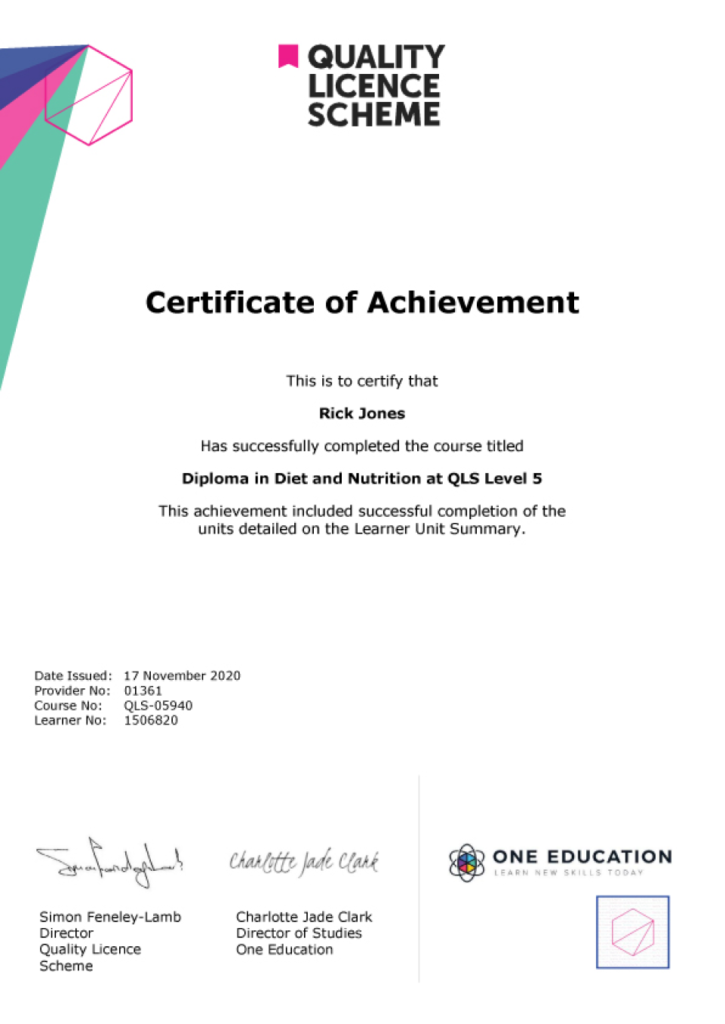
| Order Your Certificate QLS | 00:00:00 | ||
WELL Building Standard