


Table of Content
Share this Resource


Creating an effective fitness and diet plan for weight loss starts with understanding your body through factors like BMI, body type, and metabolism. Set realistic SMART goals and take small, steady steps with manageable exercises. Stay positive and consistent while tracking progress. For your diet, track your current eating habits, focus on whole foods, and avoid processed foods and artificial sugars. Include fresh fruits and vegetables, and educate yourself on proper nutrition. Finally, maintain a balanced approach, avoid extreme dieting, and manage emotional eating for long-term success.
To create an effective fitness and diet plan for weight loss, assess your current fitness level and eating habits, set realistic SMART goals, and follow a balanced routine that combines regular exercise with nutritious food. Track your progress, make gradual adjustments and focus on consistency instead of extreme dieting or intensive workouts.
For sustainable results:
- Begin with manageable exercise and increase the intensity gradually
- Combine cardiovascular exercise, strength training and adequate rest
- Choose whole foods, lean protein, fruit, vegetables and healthy fats
- Stay hydrated and aim for 7–9 hours of quality sleep each night
- Monitor your progress and adjust your plan when necessary
Ever wonder what makes a good abs? Do you think it is only the exercise that can give you good abs? Do you think is it only the diet plan to gain abs or a fit body? In reality, both of these are important. You have to combine both of these and keep going with them with continuous effort. This is why it is said “Six pack are made in the kitchen’. Thinking how to create your own Fitness and Diet Plan? Read this article to know the steps to create a fitness and diet plan for you.
7 Steps to Create Your Fitness Plan
Fitness plans can’t follow “one size fits for all” theory, because our bodies are different so do the capabilities. Maybe the goal for fitness is the same but the way and the process you will follow may differ based on your body type and capabilities.
Fitness & Weight Loss Timeline
Your fitness journey is a gradual process, and consistent effort leads to lasting results. While progress varies depending on factors such as age, diet, activity level, and starting fitness, the following timeline provides a general idea of what you can expect:
| Time | Expected Progress |
|---|---|
| Week 1 | Build a consistent exercise habit and experience improved energy levels. |
| Weeks 2–4 | Increase stamina, improve endurance, and establish a regular workout routine. |
| Month 2 | Notice measurable improvements in strength, cardiovascular fitness, and overall performance. |
| Month 3 | Many people begin to see visible changes in body composition, including increased muscle tone and reduced body fat. |
| Months 4–6 | Achieve sustainable weight loss, improved physical fitness, and long-term healthy lifestyle habits. |
Step 1: Know Your Fitness Level and Your Body
Fitness is all about reaching a specific goal. Know where you want to reach, what you want to gain and how you want to gain. To get your desired body fitness, you need to know where you are standing right now. If you know that, you will know how much you need to lose, how much exercise is required to reach your goal and how long will it take to become fit.
Besides, recording your progress will build your confidence, give you motivation to achieve your fitness goal. So here is the list of things you need to know before getting started with the fitness plan.
Your BMI
Your BMI will tell you how much you have to lose to become fit. BMI refers to the body mass index, it is calculated using your age, height and weight. Which indicated whether you have a healthy body based on your age , weight and heights. BMI has 6 categories based on the BMI values that indicate 8 different situations of your body’s health. These categories are
BMI Categories
| BMI | Category |
|---|---|
| Below 18.5 | Underweight |
| 18.5–24.9 | Healthy weight |
| 25–29.9 | Overweight |
| 30–34.9 | Obesity Class I |
| 35–39.9 | Obesity Class II |
| 40+ | Obesity Class III |
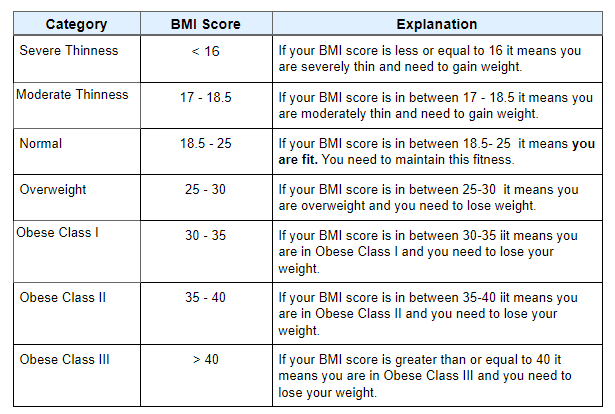
So, as you can understand, your BMI score will indicate your goal, will tell you whether you should go for an intensive diet or a moderate diet and how much weight you should lose to become fit.
Your Body Type
In 1940 Dr. W.H. Sheldon first introduces 3 body type compositions. These are Ectomorph, Mesomorph and Endomorph.
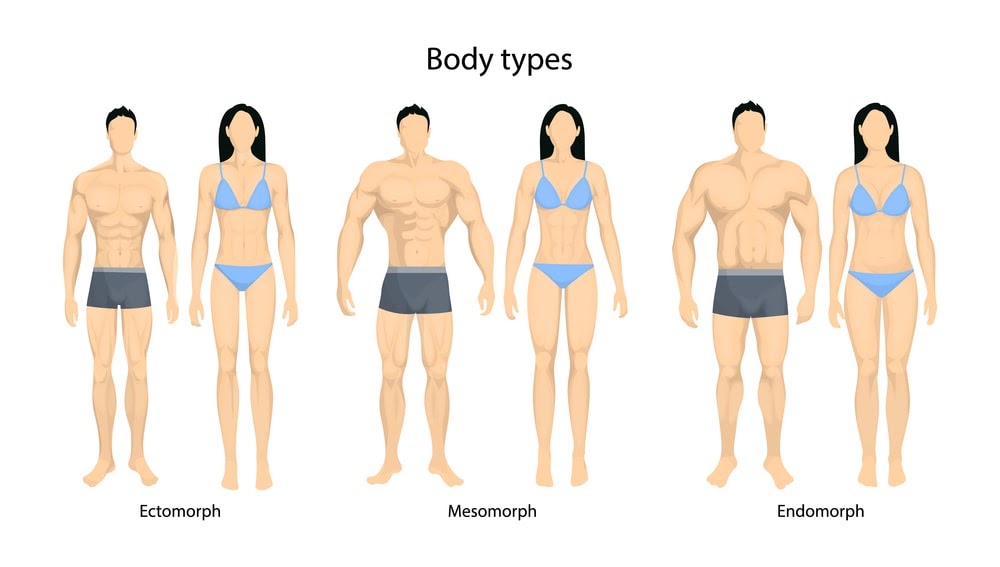
Ectomorphs tend to be skinny, Mesomorphs tend to have predominance of muscle, rectangular shape with heavy and hard body type. Endomorphs tend to have soft roundness throughout the body. Based on your body type your Fitness and Diet plan will differ.
For example if your body is in the Endomorphs group then your body will gain weight fast but loose weight slowly. If your body is from a Mesomorph group then your weight loss and gain will happen in a balanced way. The main idea is, to treat your body according to your body’s need so that you can reach your goal faster. Read this article about weight loss with PhenQ for more information.
Your Metabolism
Metabolism is the consumption capabilities of our body. It is like a balloon, that indicates how much you can consume in a day to stay fit. Fitness is all about understanding your body and managing it accordingly. Knowing your metabolism will help you to achieve your goal faster, since you will know how much calories your body should intake after a long exercise.
Step 2: Determine Your SMART Goal
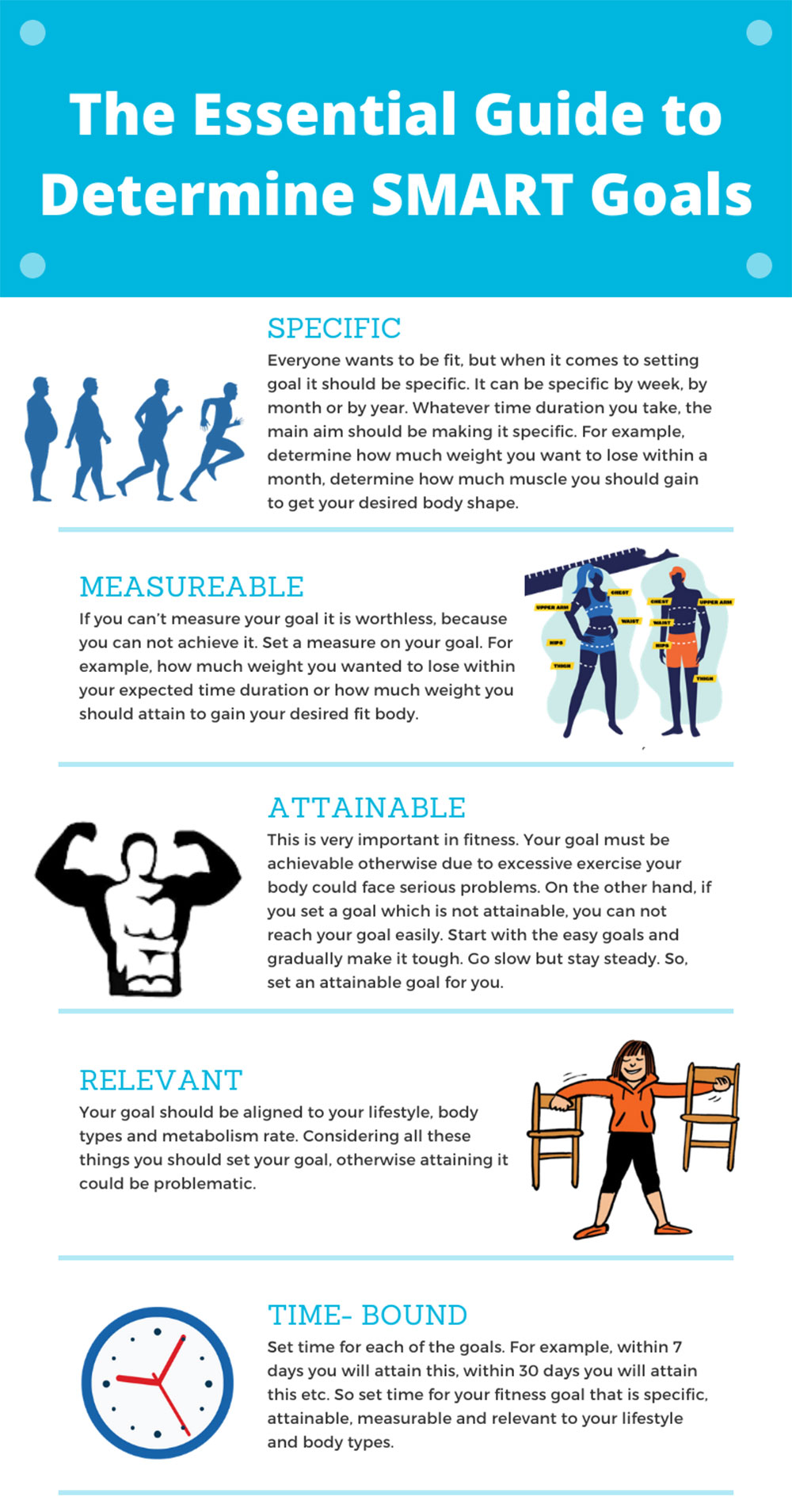
SMART Goal Examples
SMART goals are Specific, Measurable, Achievable, Relevant, and Time-bound, making it easier to stay focused, track progress, and maintain motivation. Instead of setting a vague goal like “I want to lose weight,” a SMART goal provides a clear plan and timeline.
Here are some examples:
- Lose 5 kg in 4 months – Sets a specific weight-loss target with a realistic deadline.
- Walk 10,000 steps daily – Establishes a measurable daily activity goal that supports overall fitness.
- Exercise 4 days each week – Creates a consistent workout routine that is easy to track and maintain.
- Drink 2 litres of water daily – Encourages proper hydration, which supports metabolism and overall health.
- Reduce sugary drinks to once weekly – Helps improve nutrition by replacing a less healthy habit with a more sustainable one.
Step 3 : Take Little Steps
Remember small changes add up to huge results. So keep it slow but steady. Do not start with heavy stuff and the toughest one. Start with something low impact exercise to help build your strength. Do not run 45 miles at the beginning rather run for 10 minutes and gradually increase your level.
Step 4 : Stay Positive and Keep Going
You have to go a long way. Your journey to fitness will not be easy. It will be harsh, it will be time consuming and sometimes it will be heartbreaking too. Because, you may expect to see results within 3 months but you may not see any changes, but do not stop if you do not see any changes within your expected months.
Keep going, do not lose your hope and stay with a positive mentality that you can reach your fitness goal with continuous efforts. But, if you stop in the middle, you can’t reach your goal ever. So, keep doing what you are doing and keep tracking your progress. Today or tomorrow you will see the result.
💪 Motivation Tips
- 🎯 Find an accountability partner
- 🏆 Reward milestones
- 📅 Set mini goals
- 🔄 Follow a routine
- ✅ Celebrate consistency
- 🌱 Focus on habits, not perfection
Step 5 : Create Your Exercise Schedule
Schedule your exercise routine and keep following it. Write down your daily exercise list with the number of reps and your target. Set reminders on your phone so that you never miss your exercise schedule. Write down your schedule in the dairy or in the calendar, you can create reminders in the Google calendar as well. Doing all these things will create a positive exercise habit that stays with you throughout your life.
Exercise Calories Burned Table
| Activity | Calories Burned (30 mins)* |
|---|---|
| Walking | 120–180 |
| Cycling | 250–400 |
| Swimming | 250–350 |
| Running | 300–450 |
| Strength training | 180–300 |
*Estimated calorie burn varies depending on body weight, exercise intensity, age, and fitness level.
| Home Workout | Gym Workout |
|---|---|
| Low cost | More equipment |
| Flexible | Professional environment |
| Convenient | More exercise options |
| Minimal equipment | Access to trainers |
Step 6 : Get Started
Now it is time to start your exercise according to your plan. Stick to your goal and keep going till you reach your goal. Stay positive and keep going. Listen to your body, do not try to achieve so many things on the first day. Just stay slow and steady, because slow and steady always wins the race. Make it a habit so that you can live with exercise and never ever have to leave it in the middle. Be flexible too, take rest if you feel like. The main idea is to enjoy what you are doing and keep going, in this way you will surely reach your fitness goal one day.
✔ Meal Planning Checklist
- ✅ Plan meals weekly
- ✅ Shop with a list
- ✅ Prepare healthy snacks
- ✅ Cook at home
- ✅ Read food labels
- ✅ Track water intake
- ✅ Avoid impulse buying
Beginner Weekly Workout Plan
| Day | Workout |
|---|---|
| Monday | 30-minute walk + stretching |
| Tuesday | Full-body strength training |
| Wednesday | Rest or yoga |
| Thursday | Cardio |
| Friday | Strength training |
| Saturday | Cycling or swimming |
| Sunday | Active recovery |
Step 7 : Track Your Progress
Now it is time to track your progress. See how much you are progressing. No matter what result you get, just keep going. Measure your body weight, check your BMI, your changes. Write down your progress everyday after the exercise. Eventually you will see changes in your fitness goal. Just keep going and track your progress, and this is how you will reach your fitness goal one day.
Progress Tracking Metricst
| Metric | Why It Matters |
|---|---|
| Weight | Tracks overall weight trends over time. |
| Waist measurement | Shows changes in body fat, especially around the waist. |
| Body fat percentage (if available) | Measures changes in body composition beyond weight. |
| Progress photos | Provides a visual record of physical changes over time. |
| Daily steps | Helps monitor overall daily activity levels. |
| Strength improvements | Indicates increased fitness and muscle development. |
| Energy levels | Reflects improvements in overall health and recovery. |
| Sleep quality | Supports recovery, hormone balance, and long-term weight management. |
Why Sleep Matters for Weight Loss
Sleep is often overlooked, but it plays a vital role in successful weight loss and overall health. While healthy eating and regular exercise are essential, getting enough quality sleep helps your body recover, regulate important hormones, and maintain the energy needed to stay active. Most adults should aim for 7–9 hours of sleep each night to support optimal physical and mental well-being.
Muscle Recovery
Sleep is the body’s primary recovery period. During deep sleep, muscles repair and rebuild after exercise, helping you recover faster, reduce soreness, and improve strength over time.
Hormone Regulation
Adequate sleep helps regulate hormones that influence metabolism and body weight. Poor sleep can disrupt these hormones, making it more difficult to maintain a healthy weight and increasing the likelihood of fat storage.
Appetite Control
Lack of sleep affects the hormones that control hunger and fullness, often increasing appetite and cravings for high-calorie, sugary foods. Getting enough rest can help you make healthier food choices and avoid unnecessary snacking. Pairing healthy sleep habits with nutritious meals, including fresh juice made with the best cold press juicer for daily juicing at home, can make it easier to maintain a balanced diet and support overall well-being.
Exercise Performance
A well-rested body performs better during physical activity. Good sleep improves energy levels, endurance, coordination, and motivation, allowing you to exercise more effectively and stay consistent with your fitness routine.
Making quality sleep a priority alongside a balanced diet and regular exercise can significantly improve your weight loss results and support long-term health.
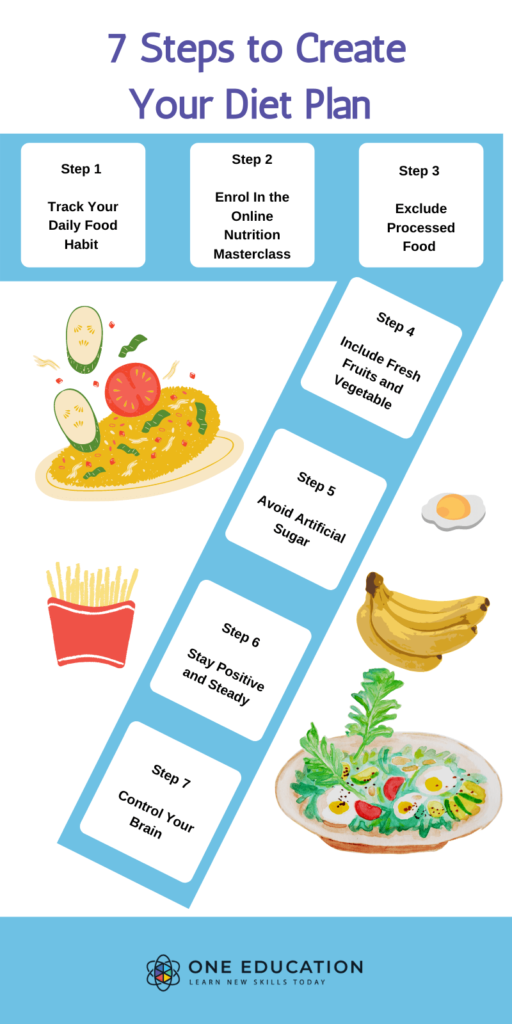
7 Steps to Create Your Diet Plan
Diet and Exercise Plan
As mentioned before, fitness can not be fulfilled without a proper diet plan.
No matter how good you exercise, without a proper diet plan you can’t reach your goal.
Wondering how to create such a diet plan? Do not worry, here are the 7 steps to create a perfect diet plan to achieve your fitness goal.
Step 1 : Track Your Daily Food Habit
We often don’t consider it and just jump into the taking diet. It is not healthy. Because, you can not change suddenly. So, track your daily food intake. Just write down what you eat every day. Do it for 3 days, on the fourth day look at your notes. Checkout your eating habits. Now note down what is healthy and what is unhealthy. Eliminate unhealthy food from your list. In this way you can understand your unhealthy eating habit and can set your mind to stay fit with eating healthy food to reach your fitness goal.
Step 2 : Enrol In the Online Nutrition Masterclass
Now you know what is making you unhealthy. You can stop eating them, but they are not enough. You have to follow a perfect diet that can help you to reach your fitness goal.
OneEducation is one of the renowned online course providers in the UK. They offer Nutrition Masterclass: Build Your Perfect Diet & Meal Plan course. In this comprehensive course you will get in-depth ideas about nutrition and get complete ideas, strategies and techniques to create a perfect diet and meal plan for yourself.
The course is fully online, so you can do it at your own pace from any parts of the world. Even you will never miss any class and will get complete knowledge from your most comfortable zone. After doing this course, you will know how to make a perfect diet and can implement it in your real life. In short Nutrition Masterclass: Build Your Perfect Diet & Meal Plan course is the perfect course if you want to make a perfect diet and meal plan for yourself.
| Nutrient | Purpose | Sources |
|---|---|---|
| Protein | Muscle repair | Chicken, eggs, fish |
| Carbohydrates | Energy | Rice, oats, potatoes |
| Healthy fats | Hormone production | Avocado, olive oil, nuts |
Step 3 : Exclude Processed Food
Exclude processed food from your diet plan. Include unprocessed food as much as possible. Nutrition value remains the same in the unprocessed food. So, the more you take the unprocessed food the more you can reach your goal faster. Salad, fruits, fruit salad, unprocessed vegetables etc can be in the list of your unprocessed food. Take at least one third of the unprocessed food in your diet plan.
Foods to Eat vs Foods to Limit
| Eat More | Limit |
|---|---|
| Vegetables | Sugary drinks |
| Fruit | Fast food |
| Whole grains | Pastries |
| Lean protein | Processed meat |
| Beans | Crisps |
| Nuts | Sweets |
Step 4 : Include Fresh Fruits and Vegetable
Fresh fruits and vegetables have high nutrition value. Include fresh fruits and vegetables in your list. While including fresh fruits and vegetables make sure those fruits and vegetables have levels of vitamins and minerals. High vitamins and minerals which are also high in nutrition. Such fresh food intake can increase your immunity system and keep your body safe and sound.
Daily Water Intake Guide
Staying hydrated is an important part of a healthy diet and weight loss plan. Drinking enough water supports digestion, helps regulate body temperature, improves physical performance, and may help control appetite. Your daily water needs depend on your activity level, climate, and overall health. Use the guide below as a general recommendation.
| Activity Level | Daily Water Intake |
|---|---|
| Sedentary | 2 litres |
| Moderate exercise | 2.5 litres |
| Heavy exercise | 3–4 litres |
Step 5 : Avoid Artificial Sugar
Avoid artificial sugar. If you do not have diabetics keep it at a minimum level. As mentioned before, you have to avoid processed food as much as possible. Artificial sugar is in the list, so avoid it, bring it in the minimum level if you can’t leave it completely. One spoon or less artificial sugar is enough for a day.
Step 6 : Stay Positive and Steady
We often become frustrated and become hopeless when you can’t reach our goal. When it happens, we often starve or start to eat very less. Such an act can bring you faster results, but it can affect your health for a long time. So never, ever starve to get your expected result. Remember, starving is not the answer, understanding the nutrition value, and the body’s metabolism are important. If you starve your body will never get proper nutrition as a result you will feel weak and can have serious health issues in the future. So, never skip your meals or never ever starve to gain your goal it will affect your health.
Step 7 : Control Your Brain
Sometimes it is not our stomach that is hungry, rather it is our brain that needs food. Which means sometimes we just eat to satisfy our emotions. It mostly happens when people feel depressed and stressed. No doubt these kinds of eating are not healthy. Since it is not for your stomach, it will hamper your health. Control your brain, when you feel craving for the food, ask yourself, if you are really hungry or not. If the answer is yes, only then order food or eat food, but if your answer is to satisfy your brain, skip it. This is how you should control your emotion that triggers excessive eating.
See more from us on Google
Add this site as a Preferred Source to stay updated with our latest stories.
Common Weight Loss Mistakes
Even with the best intentions, certain habits can slow progress or make weight loss harder to maintain. Avoiding these common mistakes can help you achieve healthier, more sustainable results.
- Skipping meals: Often leads to increased hunger later in the day, making overeating more likely.
- Eating too little: Severely restricting calories can slow your metabolism, reduce energy levels, and make it difficult to get essential nutrients.
- Overtraining: Exercising without adequate rest can increase the risk of injury, fatigue, and burnout.
- Ignoring sleep: Poor sleep can disrupt hormones that regulate hunger and appetite, making healthy choices more difficult.
- Drinking calories: Sugary drinks, alcohol, and specialty coffees can add significant calories without making you feel full.
- Weekend overeating: Consuming excessive calories on weekends can offset the progress made during the week.
- Not tracking progress: Monitoring your weight, measurements, activity, or food intake can help identify what’s working and where adjustments are needed.
- Unrealistic expectations: Expecting rapid results can lead to frustration and make it harder to stay motivated. Sustainable weight loss takes time and consistency.
- Following fad diets: Restrictive or trendy diets often produce short-term results but are difficult to maintain and may not provide balanced nutrition.
Recognizing and avoiding these common mistakes can make your weight loss journey more effective, helping you build healthy habits that support long-term success.
What Should You Do If Weight Loss Stops?
It’s common for weight loss to slow down or temporarily stop after several weeks or months. This is often called a weight loss plateau and can happen as your body adapts to changes in diet and activity. Rather than becoming discouraged, make small, sustainable adjustments to help restart your progress.
Increase Activity Slightly
As you lose weight, your body burns fewer calories than before. Adding a little more movement—such as an extra 15–30 minutes of walking, increasing your daily step count, or including another workout each week—can help create a calorie deficit again.
Review Your Calorie Intake
Portion sizes can gradually increase over time without you noticing. Keeping a food diary or tracking your meals for a few days can help identify hidden calories and ensure you’re still eating the right amount for your goals.
Improve Sleep
Poor sleep can affect hormones that regulate hunger, increase cravings, and reduce energy for exercise. Aim for 7–9 hours of quality sleep each night to support recovery and healthy weight management.
Manage Stress
Chronic stress can increase cortisol levels, which may contribute to overeating, emotional eating, and difficulty losing weight. Activities such as walking, meditation, deep breathing, or spending time on hobbies can help reduce stress.
Focus on Strength Training
Building muscle helps increase your resting metabolic rate, meaning your body burns more calories even when you’re not exercising. Include strength training exercises at least two to three times per week for long-term benefits.
Be Patient
Weight loss is rarely a perfectly steady process. Temporary plateaus are normal, and progress may continue even if the number on the scale doesn’t change immediately. Stay consistent with healthy eating, regular exercise, and good lifestyle habits, and focus on long-term success rather than quick results.
30-Day Fitness Challenge
| Week | Goal |
|---|---|
| Week 1 | Walk daily |
| Week 2 | Add strength training |
| Week 3 | Improve nutrition |
| Week 4 | Review progress |
Safety Advice
Before making significant changes to your diet or exercise routine, it’s important to consider your individual health needs. Following basic safety guidelines can help reduce the risk of injury and ensure your fitness journey is both effective and sustainable.
Consult a healthcare professional before starting a new diet or exercise programme if you have a medical condition, are pregnant, have recently had surgery, or take prescription medication.
Increase exercise intensity gradually to allow your body time to adapt and reduce the risk of strains, overuse injuries, and excessive fatigue.
Stop exercising immediately and seek medical advice if you experience chest pain, dizziness, fainting, severe shortness of breath, or any other unusual symptoms during physical activity.
Stay hydrated by drinking enough water before, during, and after exercise, especially in hot weather or during prolonged workouts.
Use proper exercise technique and appropriate equipment to reduce the risk of injury and improve workout effectiveness.
Allow time for rest and recovery, as muscles need time to repair and become stronger between workouts.
Listen to your body. Mild muscle soreness is normal, but persistent pain or discomfort should not be ignored.
Choose a balanced, nutritious diet rather than restrictive or fad diets to ensure your body receives the nutrients it needs for good health.
Taking a gradual, balanced approach to weight loss and fitness is the safest way to achieve lasting results while supporting your overall health and well-being.
Conclusion for Fitness and Diet Plan
Diet and a fitness plan is a long task. You have to be patient, hard-working and positive to gain your desired fitness goal. Do not forget about the nutritional value of the food while making a perfect diet plan. However, perfect nutrition is a must in your diet plan.
To understand the nutrition value and how to use it in the diet plan. Learn in-detail about nutrition value from Nutrition Masterclass: Build Your Perfect Diet & Meal Plan course to fast track your Fitness and Diet Plan.
FAQs
1. How can I lose 5 kg in 7 days?
Losing 5 kg in 7 days is not recommended for healthy weight loss. A balanced approach, like eating fewer calories, exercising regularly, drinking water, and getting enough sleep, can help you lose weight safely over time. Extreme dieting or exercise may lead to health risks. Always consult a doctor before attempting rapid weight loss.
2. How to create a workout plan?
Creating a workout plan involves assessing your fitness goals, selecting suitable exercises, and scheduling them regularly. Start by defining your objectives, whether it’s weight loss, muscle gain, or overall fitness. Then, choose exercises targeting different muscle groups to ensure a balanced routine. Next, determine the frequency and duration of your workouts, considering your availability and fitness level. Finally, adapt your plan as needed to stay motivated and progress towards your goals.
3. How to make a diet and exercise plan?
Creating a diet and exercise plan involves setting goals, assessing current habits, choosing nutritious foods, planning meals, scheduling workouts, and staying consistent.
4. How to create a workout plan for beginners?
For beginners, start with light exercises and gradually increase intensity. Set realistic goals and create a balanced routine. Incorporate cardio, strength training, and flexibility exercises. Listen to your body and adjust as needed.
5. How to create a diet and workout plan?
Plan your diet around whole foods like fruits, vegetables, lean proteins, and whole grains. Incorporate regular exercise sessions into your routine, including both cardio and strength training. Keep track of your progress and adjust your plan as needed.
6. How to start a diet and exercise plan?
Begin by setting clear fitness and nutrition goals. Then, create a balanced meal plan and choose exercises you enjoy. Keep track of progress and make adjustments as needed. Stay consistent and motivated to see results.
7. How to make a workout plan for a woman?
Create a workout plan for women by setting clear goals, choosing exercises that target different muscle groups, scheduling workouts throughout the week, incorporating cardio and strength training, and allowing time for rest and recovery.
8. How to create a workout plan for weight loss?
Designing a weight loss workout plan involves setting goals, choosing activities you enjoy, incorporating cardio and strength training, and scheduling regular workouts.
9. What should be the diet for gym person?
For a gym person, the diet should focus on balanced nutrition, including lean proteins, complex carbohydrates, healthy fats, and plenty of fruits and vegetables. It’s important to fuel the body with nutrients that support energy levels, muscle repair, and overall health. Additionally, staying hydrated by drinking plenty of water throughout the day is crucial for optimal performance during workouts and recovery afterward.
10. How to design a workout plan?
Designing a workout plan involves assessing your fitness level, setting realistic goals, scheduling consistent exercise, incorporating diverse exercises, listening to your body, and tracking progress for continual improvement.
11. How to make your own diet?
Creating your own diet involves assessing your needs, setting goals, and choosing foods that suit you. Determine your calorie requirements, focus on balanced meals, prioritize whole foods, and stay hydrated. Adjust as needed to support your well-being.
12. What are the steps of fitness planning?
Creating a fitness plan involves setting clear goals, assessing your current fitness level, designing a balanced exercise routine, focusing on nutrition, and tracking progress.
Related Articles

 Oct, 05, 2026
Get a FREE Course
- Learn useful skills online free
- Get CPD accredited certificate
- Add it to your CV today!