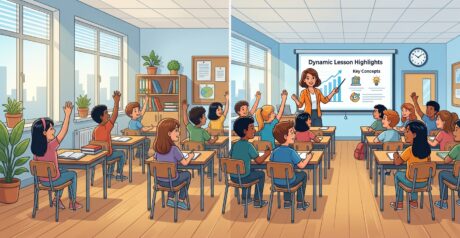
Supporting dysregulated students begins with understanding what their behaviour is communicating, rather than simply trying to stop it. Many educators learn this through classroom experience, professional training, guidance from experienced colleagues, and an increasing understanding of how stress, trauma, sensory needs and emotional development can influence a student’s ability to regulate.
A dysregulated student may struggle to manage emotions, attention, behaviour or physical responses when they feel overwhelmed. This can appear as anger, withdrawal, refusal, crying, restlessness or difficulty following instructions. Effective support therefore requires teachers to look beyond the visible behaviour and consider what may be causing the student distress.

Learning how to support dysregulated students is an ongoing process rather than a skill gained from one training session. By developing knowledge of co-regulation, emotional safety, triggers and practical classroom strategies, educators can respond more calmly and appropriately. This creates an environment where students feel understood, supported and better able to return to learning.
What Does It Mean When a Student Is Dysregulated?
A dysregulated student is temporarily struggling to manage their emotions, behaviour, attention or physical responses. They may feel overwhelmed, anxious, frustrated or unable to return to a calm state.
What Does Emotional Dysregulation Look Like in the Classroom?
It may appear as shouting, crying, arguing, refusing instructions, restlessness, leaving a seat or difficulty concentrating. Students may also react strongly to situations that seem minor to others.
Is Dysregulation Always Obvious?
No. Dysregulation can be quiet. Some students withdraw, avoid eye contact, stop participating, stare at their work or appear to “switch off”. Teachers should therefore notice changes in a student’s usual behaviour, not just obvious outbursts.
What Is the Difference Between Dysregulation and Challenging Behaviour?
Challenging behaviour describes what a student does; dysregulation helps explain what may be happening underneath. Refusal, disruption or aggression may sometimes result from anxiety, frustration, sensory overload or difficulty coping. Appropriate boundaries are still important, but understanding the cause can lead to a more effective response.
Why Should Teachers Look Beyond the Behaviour Itself?
Behaviour can communicate a need that a student cannot express clearly. Instead of focusing only on “How do I stop this behaviour?”, teachers should consider what triggered it, what the student may be experiencing and what could help them regulate.
Understanding the reason behind the behaviour helps teachers provide appropriate support, identify triggers and help students re-engage with learning.
Why Do Some Students Become Dysregulated at School?
Students may become dysregulated when emotional, sensory or environmental demands become too difficult to manage. Common triggers include sensory overload, anxiety, stress, unmet needs, difficult tasks, transitions and unexpected changes.
What Are the Most Common Triggers?
Common triggers include loud environments, crowded spaces, peer conflict, academic pressure, tiredness, hunger, difficult tasks and changes in routine. Sometimes, several smaller stressors build up until the student becomes overwhelmed.
Can Sensory Overload Cause Dysregulation?
Yes. Noise, bright lights, busy classrooms, physical contact and crowded corridors can overwhelm some students. This may lead to withdrawal, restlessness, distress or attempts to leave the situation.
How Do Anxiety, Stress and Unmet Needs Affect Behaviour?
Anxiety, stress, hunger, tiredness or feeling unsafe or misunderstood can make self-regulation harder. Students may respond by refusing work, becoming quiet, arguing, crying or becoming restless. Behaviour can therefore be an important signal of an unmet need.
Why Can Transitions, Difficult Tasks or Changes Be Triggers?
Transitions and unexpected changes can create uncertainty, while challenging tasks may cause frustration or fear of failure. Clear instructions, advance warnings, predictable routines and breaking tasks into manageable steps can help reduce these triggers.
Understanding what happened before the behaviour and what the student may need helps teachers respond more effectively and support better regulation.
Continue Your Professional Development
Interested in developing your SEN knowledge? Explore our SENCO – Special Educational Needs Coordination course and discover more professional development courses to support your career goals. Browse all courses at One Education.
Where Can Teachers Learn How to Support Dysregulated Students?
Teachers can learn to support dysregulated students through teacher training, SENCOs and pastoral teams, professional development, specialist professionals, and classroom experience. The most effective approach combines formal learning with collaboration and regular reflection.
Is Teacher Training Enough Preparation?
Initial teacher training provides a foundation in behaviour management, SEND, safeguarding and child development. However, additional learning is often needed to understand complex emotional and behavioural needs and respond appropriately.
What Can Teachers Learn from SENCOs and Pastoral Teams?
SENCOs and pastoral teams can help teachers understand how SEND, sensory needs, anxiety and personal circumstances may contribute to dysregulation. They can also recommend suitable strategies and help maintain consistent support across the school.
How Useful Are Professional Development and Specialist Training?
Specialist training can strengthen teachers’ understanding of emotional regulation, trauma-informed practice, autism, ADHD, sensory needs and de-escalation. Good professional development provides practical strategies that can be adapted to individual pupils.
What Can Educational Psychologists and Mental Health Professionals Teach?
These professionals can help teachers understand emotional and psychological factors affecting behaviour. They may identify triggers, suggest appropriate support strategies and advise when a pupil may require additional specialist support.
How Much Can Teachers Learn Through Classroom Experience and Reflection?
Classroom experience helps teachers recognise individual triggers, patterns and effective responses. Reflecting on what happened before dysregulation, what made it worse and what helped the pupil regulate can improve future support.
What Is the Best Approach?
The best preparation combines training, specialist guidance, teamwork and classroom reflection. Supporting dysregulated students requires ongoing learning and adapting strategies to meet each pupil’s individual needs.
How Can You Recognise the Early Signs of Dysregulation?
Teachers can recognise early dysregulation by noticing changes in a student’s usual behaviour, emotions, body language and ability to engage. Early signs may include restlessness, withdrawal, irritability, difficulty concentrating or unusual emotional reactions.
What Behavioural Changes Should Teachers Notice?
Look for noticeable changes such as fidgeting, withdrawing, refusing tasks, becoming argumentative, losing concentration or repeatedly wanting to leave the classroom. Focus on changes from the student’s normal behaviour, as dysregulation can look different for each child.
What Physical or Emotional Signs Might Appear?
Physical signs can include rapid breathing, tense muscles, clenched fists, pacing, trembling or becoming unusually still. Emotionally, students may appear anxious, frustrated, angry, tearful, fearful or overwhelmed.
How Can Teachers Identify Individual Triggers?
Look for patterns in what happens before dysregulation. Common triggers include difficult tasks, routine changes, transitions, sensory overload, peer conflict, embarrassment, tiredness or hunger. Observations and calm conversations with the student can help identify personal triggers.
Why Is Early Recognition Important?
Recognising dysregulation early allows teachers to respond before the student becomes overwhelmed. Reassurance, reduced demands, additional processing time or a quieter space may prevent escalation. It also helps teachers understand behaviour as communication, enabling more supportive and appropriate responses.
What Should You Do When a Student Becomes Dysregulated?
When a student becomes dysregulated, reduce demands, speak calmly, provide appropriate space and prioritise safety. The immediate goal is to help the student feel safe and regain emotional control rather than correct their behaviour.
Should You Reduce Demands Temporarily?
Yes. Pause or simplify tasks to reduce pressure. Expectations can be gradually reintroduced once the student is calmer.
How Should You Speak to a Distressed Student?
Use a calm, steady tone and simple language. Avoid arguing, repeated questioning or raising your voice.
When Should You Give the Student Space?
Provide space when interaction appears to increase distress. Allow access to a quieter area where appropriate, while maintaining suitable supervision.
How Can You Maintain Safety Without Escalating?
Remove hazards, reduce unnecessary people and avoid confrontational behaviour. Follow safeguarding procedures while keeping the environment calm and low-pressure.
Why Might Fewer Words Work Better?
During heightened emotions, students may struggle to process language and instructions. Short, clear phrases and extra processing time can make communication easier.
The key principle is regulation before reasoning. Discuss behaviour, triggers and future strategies once the student is calm.
What Is Co-Regulation and How Can Teachers Use It?
Co-regulation is when a calm, supportive adult helps a student manage strong emotions and regain control. Teachers can use it by staying composed, acknowledging feelings, reducing pressure and guiding students towards effective calming strategies.
What Does Co-Regulation Actually Mean?
Co-regulation means providing emotional support, reassurance and clear guidance when a student struggles to regulate themselves. It helps the student feel safe enough to regain control and respond appropriately.
Why Does the Adult’s Emotional State Matter?
Students can be influenced by the emotions of adults around them. A frustrated or confrontational response may increase distress, while a calm voice, steady behaviour and predictable response can create a greater sense of safety.
How Can a Calm Adult Help a Student Regain Control?
Teachers can speak slowly, use simple language, allow processing time and avoid unnecessary demands. Offering limited choices, reassurance or a familiar calming strategy can help the student gradually return to a regulated state.
Does Co-Regulation Help Students Develop Self-Regulation?
Yes. Co-regulation supports the development of self-regulation. Through repeated guidance, students learn to recognise their emotions, identify warning signs and use coping strategies independently. The long-term aim is greater emotional independence.
What Does Effective Co-Regulation Look Like in a Classroom?
Effective co-regulation includes noticing early signs of distress, responding calmly, providing reassurance and offering appropriate support. Teachers might provide extra thinking time, break tasks into smaller steps or offer a short break.
Ultimately, co-regulation helps students move from relying on adult support towards managing their own emotions and behaviour more confidently.
Which Classroom Strategies Help Students Stay Regulated?
Predictable routines, calm spaces, movement breaks, visual schedules and flexible classroom demands can help students manage stress, emotions and attention, making it easier to stay regulated and ready to learn.
How Can Predictable Routines Reduce Stress?
Consistent routines reduce uncertainty by helping students know what will happen and what is expected. Teachers should also prepare pupils in advance when routines need to change.
Should Classrooms Provide Calm or Quiet Spaces?
Yes. A calm or quiet area gives students a safe place to manage sensory overload or strong emotions. It should be supportive rather than used as a punishment.
How Can Movement and Sensory Breaks Help?
Short movement or sensory breaks can reduce restlessness, tension and overstimulation. Stretching, walking or appropriate sensory activities can help students refocus on learning.
Can Visual Schedules and Advance Warnings Make Transitions Easier?
Yes. Visual timetables, timers, checklists and advance warnings make transitions more predictable and give students time to prepare for changes between activities.
How Can Teachers Adapt Classroom Demands Without Lowering Expectations?
Teachers can break tasks into smaller steps, simplify instructions, provide extra processing time or offer different ways to demonstrate learning. This removes unnecessary barriers without reducing learning expectations.
What Should Teachers Avoid When a Student Is Dysregulated?
Teachers should avoid shouting, arguing, demanding explanations, discussing consequences during the crisis, taking behaviour personally, or relying only on punishment. The priority should be to reduce distress and help the student feel safe and regain control.
1. Shouting or Arguing
Shouting can increase a student’s stress and sense of threat, making dysregulation worse. Use a calm voice, simple language and minimal demands instead.
2. Discussing Consequences During the Crisis
Avoid discussing sanctions or consequences while the student is highly distressed. Wait until they are calm enough to understand and reflect on what happened.
3. Taking Behaviour Personally
Dysregulated behaviour may result from fear, frustration, sensory overload or difficulty communicating. Staying calm and professional helps prevent further escalation.
4. Repeatedly Demanding Explanations
Repeatedly asking “Why did you do that?” can increase pressure. The student may be unable to explain their behaviour until they have regulated.
5. Relying Only on Punishment
Punishment alone rarely addresses the underlying trigger. Teachers should consider unmet needs, anxiety, sensory difficulties and environmental factors to provide more effective support.
The immediate goal should be safety and regulation first. Reflection, problem-solving and appropriate consequences can follow once the student is calm.
What Should Happen After a Student Has Calmed Down?
After a student has calmed down, teachers should focus on understanding what happened, repairing the relationship and planning how to manage similar situations in the future. The conversation should take place only when the student is calm enough to think, listen and communicate.
When Is the Right Time to Discuss What Happened?
Wait until the student is fully calm and emotionally ready. Discussing the incident too soon may trigger further distress and prevent meaningful reflection.
How Can Teachers Have a Restorative Conversation?
Talk privately and calmly, focusing on understanding rather than blame or punishment. Listen to the student’s perspective and help them consider what happened and how it affected others.
What Questions Can Help Identify the Trigger?
Use simple questions such as:
- “What happened before you became upset?”
- “What were you feeling?”
- “Was anything making the situation difficult?”
- “What could have helped you?”
These questions can reveal triggers such as sensory overload, frustration, peer conflict, difficult work or unexpected changes.
How Can the Student Help Choose Strategies for Next Time?
Involve the student in deciding what might help, such as taking a break, using a quiet space, asking for help or speaking to a trusted adult. Giving students a voice can make strategies more meaningful and practical.
Why Is Repairing the Teacher–Student Relationship Important?
Students may feel embarrassed or worried after an incident. Reconnecting with warmth, respect and clear expectations reassures them that one difficult moment does not define the relationship and helps rebuild trust.
Key Point
The goal is not simply to ask “What went wrong?” but to understand what happened, what the student needed and what can be done differently next time.
FAQs — Where Did You Learn How to Support Dysregulated Students?
1. Where did you learn how to support dysregulated students?
Supporting dysregulated students is learned through professional training, practical classroom experience, and understanding individual needs. Teachers also develop these skills through safeguarding guidance, SEND training, behaviour support strategies, and collaboration with experienced colleagues.
2. What does it mean when a student is dysregulated?
A dysregulated student is having difficulty managing their emotions, behaviour, or responses. They may become angry, anxious, withdrawn, overwhelmed, restless, or unable to concentrate because their emotional state is affecting their ability to cope.
3. How can teachers support a dysregulated student?
Teachers can help by remaining calm, reducing demands, and giving the student time and space to regulate. Using clear language, predictable routines, reassurance, and appropriate sensory or calming strategies can also help the student regain control.
4. What should you say to a dysregulated student?
Use short, calm, and reassuring language. Avoid lengthy explanations or repeated questions while the student is overwhelmed. Simple phrases such as “You are safe” or “Take the time you need” can reduce additional pressure.
5. Should you discipline a student while they are dysregulated?
Immediate punishment is rarely the most effective response during dysregulation. The priority should be safety and regulation. Once the student is calm, teachers can discuss what happened, reinforce boundaries, and help them identify better ways to respond next time.
6. What can trigger dysregulation in students?
Triggers vary from student to student. Common examples include sensory overload, academic pressure, unexpected changes, conflict, frustration, communication difficulties, tiredness, anxiety, or feeling misunderstood.
Article by
Sam Walker is an education specialist and author at One Education, bringing over 4 years of experience in creating practical resources and strategies to support teachers and enhance student learning.
Related Articles
Get a FREE Course
- Learn useful skills online free
- Get CPD accredited certificate
- Add it to your CV today!

Aug, 20, 2026