Chicken is a staple in so many kitchens, and for good reason—it’s versatile, delicious, and easy to prepare. But what about leftovers? Can you reheat chicken, or does it turn into some food safety nightmare? The truth is, you can reheat chicken, and do it safely, but only if you follow some guidelines. Whether you’ve roasted a whole bird, grilled some breasts, or have some leftover wings from last night’s takeout, knowing how to reheat chicken the right way is key to enjoying it without risking illness.
This guide follows current UK food safety guidance and was reviewed using recommendations from the Food Standards Agency (FSA) and NHS on storing and reheating cooked chicken safely.
Quick Answer
Yes, you can safely reheat cooked chicken once, provided it has been refrigerated within 2 hours of cooking and reheated until it reaches an internal temperature of 75°C (167°F) throughout.
For best quality:
• Refrigerate within 2 hours
• Eat within 3–4 days
• Reheat only the portion you need
• Avoid reheating more than once
Food Safety at a Glance
| Question | Recommendation |
|---|---|
| Can you reheat? | ✅ Yes |
| Maximum reheats | Once |
| Storage | 3–4 days |
| Safe temperature | 75°C (167°F) |
| Freezer | Up to 3 months |
Can You Reheat Chicken?
Yes, it’s safe to reheat chicken as long as it’s heated thoroughly to 75°C (167°F). Make sure the chicken was stored correctly by refrigerating it within two hours of cooking. You can reheat it in an oven, microwave, or air fryer, ensuring it’s piping hot all the way through with no cool spots. This helps prevent foodborne illness and keeps the chicken moist, tender, and flavorful.
Why Chicken Needs Extra Care
Chicken is one of the most nutritious and widely consumed meats, but it also requires careful handling because it is highly perishable. Its high protein and moisture content create ideal conditions for bacteria to grow if it is not stored, cooked, or reheated properly.
High Protein Content
Chicken is rich in protein, which makes it an excellent food source—not only for people but also for bacteria. When cooked chicken is left at room temperature for too long, microorganisms can multiply quickly.
High Moisture Levels
Fresh and cooked chicken contain plenty of moisture. Combined with warm temperatures, this moisture creates the perfect environment for bacterial growth and spoilage.
Salmonella
Salmonella is one of the most common bacteria associated with raw poultry. It can contaminate chicken during processing and cause food poisoning if the meat is undercooked or handled improperly. Symptoms typically include diarrhea, fever, stomach cramps, and vomiting.
Campylobacter
Campylobacter is another leading cause of foodborne illness linked to chicken. Even small amounts of this bacterium can cause infection, making thorough cooking and preventing cross-contamination essential.
Temperature Danger Zone
The temperature danger zone is between 4°C and 60°C (40°F–140°F). Within this range, bacteria can multiply rapidly. To reduce the risk of foodborne illness:
• Refrigerate cooked chicken within 2 hours (or within 1 hour if it’s above 32°C/90°F).
• Reheat leftovers to an internal temperature of 75°C (167°F).
• Avoid leaving chicken at room temperature for extended periods.
Understanding these risks helps ensure chicken remains safe to eat while reducing the chances of food poisoning.
Safety Precautions When Reheating Chicken
Safety first! Chicken is notorious for harboring harmful bacteria like Salmonella and Campylobacter. When reheating, the chicken must reach an internal temperature of at least 75°C (167°F) to kill any bacteria that could make you sick. This is a non-negotiable.
Always reheat leftovers within three to four days of cooking, and make sure to store chicken properly in the fridge (at or below 4°C or 40°F). If chicken has been left out at room temperature for more than two hours, it’s safer to toss it. Also, when reheating, avoid reheating the same portion of chicken more than once—it’s risky and can lead to food poisoning.
Common Reheating Mistakes
Even when chicken has been stored correctly, simple reheating mistakes can make it unsafe to eat or ruin its texture. Avoid these common errors to keep your leftovers both safe and delicious.
Leaving Chicken Out Too Long
One of the biggest mistakes is allowing cooked chicken to sit at room temperature for more than 2 hours (or 1 hour if it’s above 32°C/90°F). Harmful bacteria multiply quickly in the temperature danger zone, increasing the risk of food poisoning.
Not Checking the Internal Temperature
Many people rely on appearance or steam to judge whether chicken is hot enough. Instead, use a food thermometer to ensure the thickest part reaches 75°C (167°F). This temperature helps destroy harmful bacteria that may have grown during storage.
Reheating Multiple Times
Repeatedly cooling and reheating chicken gives bacteria more opportunities to multiply. For the best food safety and quality, only reheat the portion you plan to eat and avoid reheating leftovers more than once.
Overheating Until Dry
While chicken must be reheated thoroughly, cooking it for too long can dry it out and make it tough. Reheat only until it reaches a safe internal temperature, then serve immediately.
Using Unsuitable Containers
Not all containers are safe for reheating. Avoid using containers that aren’t labeled microwave-safe or oven-safe, as they can melt, warp, or release unwanted chemicals into your food. Choose heat-resistant glass, ceramic, or approved microwave-safe plastic containers instead.
Methods for Reheating Chicken
When it comes to reheating chicken, there are several options, each with pros and cons:
• Oven: Great for maintaining moisture, but it takes longer.
• Microwave: Fast but tricky, often leading to uneven heating.
• Stovetop: Ideal for small pieces or shredded chicken, but you need to keep an eye on moisture.
• Air Fryer: Fast and convenient, especially for crispy chicken like fried wings or nuggets.
The method you choose depends on how much time you have and what kind of chicken you’re reheating. Each method can work well as long as you pay attention to temperature and avoid overcooking.
Which Reheating Method Is Best?
Different reheating methods produce different results. The best option depends on whether you prioritize speed, moisture retention, or crispy texture.
| Method | Speed | Moisture | Crispiness | Best For |
|---|---|---|---|---|
| Microwave | ⭐⭐⭐⭐⭐ | ⭐⭐⭐ | ⭐ | Quick lunches and small portions |
| Oven | ⭐⭐ | ⭐⭐⭐⭐ | ⭐⭐⭐⭐ | Large portions and even reheating |
| Air Fryer | ⭐⭐⭐⭐ | ⭐⭐⭐ | ⭐⭐⭐⭐⭐ | Crispy fried or roasted chicken |
| Stovetop | ⭐⭐⭐ | ⭐⭐⭐⭐ | ⭐⭐⭐ | Chicken pieces, stir-fries, and sliced chicken |
How Many Times Can You Reheat Chicken?
The general rule is that you shouldn’t reheat chicken more than once. While it might be tempting to warm up that piece of chicken a second or third time, doing so increases the risk of bacterial growth and food poisoning. Plus, reheating it multiple times can turn the chicken into a rubbery, tasteless mess.
Why Reheating Multiple Times is Not Recommended
Each time you reheat chicken, it goes through temperature changes that can allow bacteria to grow. Reheating multiple times also depletes moisture, making the chicken dry and tough. More importantly, every time the chicken cools down and gets reheated, the risk of bacterial contamination increases. This is why food safety experts recommend limiting reheating to just once.
Why One Reheat Is the Recommended Limit
Food safety experts generally recommend reheating cooked chicken only once. While reheating to the correct internal temperature can kill many harmful bacteria, it cannot undo unsafe storage practices or restore the food’s original quality. Each cooling and reheating cycle increases the chances of bacterial growth and reduces the taste and texture of the chicken.
Every Cooling Cycle Increases Risk
Each time cooked chicken is cooled and then brought back to room temperature for reheating, it spends time in the temperature danger zone (4°C–60°C / 40°F–140°F) where bacteria can multiply rapidly. The more often this cycle is repeated, the greater the risk of foodborne illness if the chicken isn’t handled properly.
Reheating Doesn’t Fix Poor Storage
Reheating chicken to 75°C (167°F) can destroy many bacteria, but it does not eliminate toxins that some bacteria may have produced while the food was stored incorrectly. If chicken has been left out too long or refrigerated improperly, reheating cannot make it safe again.
Repeated Reheating Reduces Quality
Every reheating cycle removes moisture from the meat, making chicken drier, tougher, and less flavorful. Delicate seasonings and sauces may also separate or lose their texture, resulting in a less enjoyable meal.
Best Practice
To avoid unnecessary reheating, divide cooked chicken into single-serving portions before refrigerating or freezing. Reheat only the amount you plan to eat, leaving the remaining portions safely chilled until needed. This approach improves food safety, preserves quality, and helps reduce food waste.
Tips for Storing Chicken for Reheating
Storing chicken properly is crucial for ensuring it’s safe to reheat later. Here are some tips to keep in mind:
• Refrigerate quickly: Always refrigerate cooked chicken within two hours of cooking.
• Use airtight containers: Store chicken in an airtight container to prevent bacteria and odors from spreading.
• Portion wisely: Store chicken in smaller portions, so you only reheat what you need.
• Label and date: Mark the container with the date so you know how long it’s been in the fridge or freezer.
How Long Can Cooked Chicken Last?
Proper storage is essential for keeping cooked chicken safe to eat. Follow these recommended storage times to reduce the risk of foodborne illness.
| Storage Location | Recommended Time |
|---|---|
| Refrigerator ( 4°C / 40°F or below) | 3–4 days |
| Freezer (-18°C / 0°F or below) | 2–3 months for best quality |
| Room Temperature | Maximum 2 hours (1 hour if above 32°C / 90°F) |
Best Temperature for Each Method
Using the correct temperature helps ensure chicken is reheated safely while preserving its moisture and texture. Always check that the internal temperature reaches 75°C (167°F) before serving.
| Reheating Method | Recommended Temperature / Setting |
|---|---|
| Oven | 180°C (350°F) |
| Air Fryer | 170–180°C (340–350°F) |
| Microwave | Medium power (50–70%) |
| Stovetop | Medium heat |
What Is the Best Way to Reheat Chicken Without Drying It Out?
Nobody likes dry chicken. When reheating, one of the biggest challenges is maintaining the juicy, tender texture of the original dish. The best way to do this? It’s all about adding moisture and wrapping.
Adding Moisture
To keep chicken from drying out, add a little moisture before reheating. For oven or stovetop methods, try adding a splash of broth, water, or even olive oil to keep it juicy. This works especially well for shredded or cut-up chicken. You can also cover the chicken with a damp paper towel if you’re using the microwave.
Wrapping Chicken
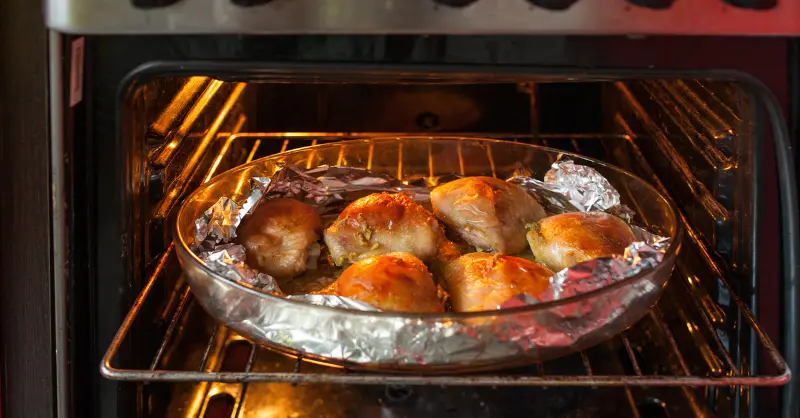
Another trick is to wrap the chicken in foil or place it in a covered dish before reheating. This helps trap steam, which keeps the chicken moist. Whether you’re using the oven, stovetop, or microwave, wrapping the chicken ensures that it doesn’t dry out or become rubbery while it heats up.
Is It Safe to Reheat Chicken in the Microwave?
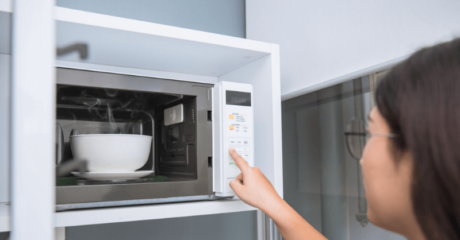
Microwaves are super convenient, but when it comes to reheating chicken, they can be a bit tricky. Yes, it’s safe to reheat chicken in the microwave, but you need to be cautious about how you do it. Microwaves heat food unevenly, meaning parts of your chicken may end up too hot while others are still cold—perfect conditions for bacteria to thrive.
Dangers of Uneven Heating
Uneven heating in the microwave can lead to cold spots in your chicken, which means it won’t reach the necessary 75°C (167°F) to kill harmful bacteria. This is especially problematic if the chicken has bones, as the areas close to the bones are usually the last to heat up.
To avoid this, cut the chicken into smaller, uniform pieces before microwaving, and stir or rotate the chicken halfway through to ensure even heating.
Tips for Reheating Chicken in the Microwave
• Use a microwave-safe dish: Avoid plastic containers, as they can release harmful chemicals when heated.
• Cover with a lid: Using a lid or microwavable cover traps steam and helps the chicken heat more evenly.
• Add moisture: Like we mentioned earlier, adding a bit of broth or water can keep the chicken from drying out.
• Check the temperature: Use a food thermometer to ensure the chicken reaches 75°C (167°F) before eating.
Can You Reheat Different Types of Chicken?
Yes, most cooked chicken dishes can be reheated safely as long as they have been stored properly, refrigerated within the recommended time, and reheated to an internal temperature of 75°C (167°F). However, the best reheating method varies depending on the type of chicken.
Roast Chicken
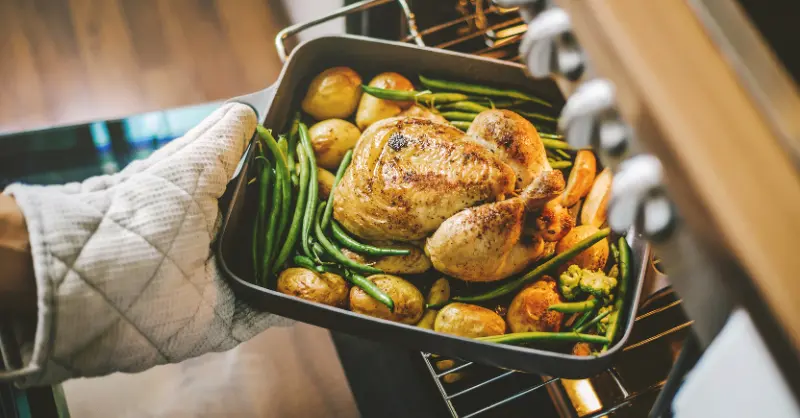
Roast chicken reheats well in the oven, which helps keep the meat moist while crisping the skin. Cover the chicken with foil for most of the cooking time and uncover it for the final few minutes if you want crisp skin.
Fried Chicken
Fried chicken is best reheated in an air fryer or oven. These methods restore the crispy coating without making it soggy. Microwaving is convenient but often softens the breading.
Rotisserie Chicken
Rotisserie chicken can dry out if overheated. Reheat it in the oven with a splash of chicken broth or water and cover it with foil to help retain moisture. Individual portions can also be reheated in the microwave.
Grilled Chicken
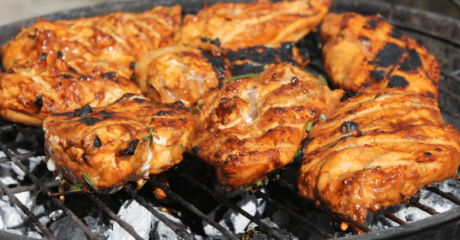
Grilled chicken is easy to overcook because it is often lean. Reheat it gently on the stovetop, in the oven, or in the microwave with a little water or broth to prevent it from drying out.
Chicken Curry
Chicken curry reheats very well because the sauce helps retain moisture. Warm it slowly on the stovetop over medium heat, stirring occasionally. A microwave also works well for single servings.
Chicken Pasta
Chicken pasta can be reheated in the microwave, oven, or stovetop. If the sauce has thickened during storage, add a small amount of water, milk, or broth before reheating to restore its creamy consistency.
| Type of Chicken | Best Reheating Method | Best Practice |
|---|---|---|
| Roast Chicken | Oven | Cover with foil and add a little stock or water to retain moisture. |
| Fried Chicken | Air Fryer or Oven | Reheat at 180°C to keep the coating crispy. |
| Rotisserie Chicken | Oven | Cover with foil and add a splash of broth before reheating. |
| Grilled Chicken | Stovetop or Oven | Add a small amount of stock or water to prevent drying out. |
| Chicken Curry | Stovetop | Stir regularly and heat until it reaches 75°C throughout. |
| Chicken Pasta | Microwave or Stovetop | Add a splash of water, milk, or extra sauce before reheating. |
What Temperature Should Chicken Be Reheated To?
When it comes to reheating chicken, temperature is everything. Reheating chicken to the proper internal temperature of 75°C (167°F) ensures that any harmful bacteria are killed, making it safe to eat. But how do you know if your chicken has reached the right temperature? You’ll need a food thermometer for this.
How to Measure Internal Temperature
To check if your chicken has reached 75°C (167°F), insert a food thermometer into the thickest part of the meat. Be careful not to touch any bones, as this can give a false reading. For small pieces or shredded chicken, stir them around first and then check the temperature in several places to ensure even heating.
Where to Insert the Thermometer in Different Chicken Cuts
For whole chickens or large cuts, like breasts or thighs, the best spot to measure is the thickest part of the meat, away from the bone. If you’re reheating wings or drumsticks, insert the thermometer into the meatiest part, making sure to avoid the bones, as bones can heat up faster than the surrounding meat.
Signs Chicken Is No Longer Safe
Even if cooked chicken looks normal, it may no longer be safe to eat. If you notice any of the following warning signs, it’s best to throw it away rather than risk food poisoning.
Bad Smell
Fresh cooked chicken should have a mild aroma. If it develops a sour, rotten, or unpleasant smell, bacterial spoilage has likely occurred, and the chicken should be discarded immediately.
Slimy Texture
A slimy, sticky, or tacky surface is a strong indication that bacteria have begun to multiply. Rinsing the chicken will not make it safe to eat.
Grey or Discolored Appearance
Cooked chicken should retain its natural white or light brown color. If it turns grey, green, or develops unusual dark patches, it has likely spoiled and should not be consumed.
Visible Mould
Any mould growth, whether white, green, black, or fuzzy, means the chicken is unsafe. Discard it immediately without tasting it.
Stored Too Long
Cooked chicken should be eaten within 3–4 days when refrigerated. If it’s been in the fridge longer than that, it’s safest to throw it away, even if it appears fine.
Left Out Overnight
Chicken that has been left at room temperature overnight should always be discarded. Harmful bacteria can multiply rapidly, and reheating cannot guarantee the food is safe to eat.
When in doubt, throw it out. If you’re unsure whether cooked chicken is still safe, it’s better to discard it than risk foodborne illness.
Key Food Safety Tips
Following a few simple food safety practices can help reduce the risk of foodborne illness and ensure your reheated chicken is safe to eat.
- ✔ Refrigerate quickly: Store cooked chicken in the refrigerator within 2 hours of cooking (or within 1 hour if the temperature is above 32°C/90°F).
- ✔ Reheat once only: Reheat only the portion you plan to eat and avoid reheating leftovers multiple times.
- ✔ Heat to 75°C (167°F): Always ensure the thickest part of the chicken reaches a safe internal temperature before serving.
- ✔ Store properly: Keep cooked chicken in an airtight container and use it within 3–4 days, or freeze it for longer storage.
- ✔ Discard if unsure: If the chicken has an unusual smell, slimy texture, visible mould, or has been left out too long, throw it away.
Conclusion
Reheating chicken isn’t complicated, but it does require some care. Whether you’re using the microwave, oven, or stovetop, following proper reheating methods ensures that your chicken is both tasty and safe to eat. Always aim for 75°C (167°F), store leftovers properly, and reheat your chicken only once. With these tips, you’ll never have to worry about dry or unsafe chicken again.
Food Safety Checklist
Follow this simple checklist before reheating cooked chicken.
No → ❌ Discard
Yes ↓
No → ❌ Discard
Yes ↓
No → Continue Heating
Yes ↓
FAQ Section
Can reheated chicken cause food poisoning?
Yes, if not reheated properly. Chicken needs to reach 75°C (167°F) to kill bacteria like Salmonella and Campylobacter. If the chicken doesn’t reach that temperature, bacteria can survive and lead to food poisoning.
Can you reheat chicken that was left out overnight?
No, it’s not safe to reheat chicken that has been left out overnight. Chicken should not be left at room temperature for more than two hours as bacteria can multiply rapidly.
What happens if you don’t reheat chicken properly?
Improperly reheating chicken can lead to uneven heating, allowing harmful bacteria to survive. This can cause foodborne illnesses, with symptoms like nausea, vomiting, and diarrhea.
Can you reheat chicken in an air fryer?
Yes! An air fryer is a great option for reheating chicken, especially if it’s fried or crispy. It heats quickly and helps maintain the chicken’s texture without drying it out.
Related Articles
Get a FREE Course
- Learn useful skills online free
- Get CPD accredited certificate
- Add it to your CV today!