Emergency Medicine - Paramedicine

  • Original

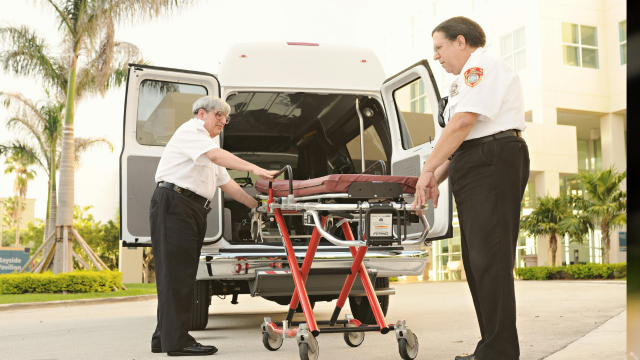
Emergency Medicine – Paramedicine course introduces essential emergency response skills, patient assessment, trauma care, and life-saving techniques. Learn how paramedics manage critical situations, provide urgent medical support, and assist patients before hospital treatment.
Emergency Medicine - Paramedicine
cpdacree aoth ukrlp 24hs fullonline 14days

Get access to 5000+ courses including this for only £49. Learn More.

Overview of Emergency Medicine - Paramedicine

Emergency Medicine - Paramedicine course provides comprehensive training in emergency, medicine, and paramedicine practices for real-world ambulance trauma response. Learners develop skills in first aid, critical care, and patient assessment to deliver effective emergency response care. This program builds strong foundations for handling life-threatening situations with confidence and professional clinical competence.

Students explore paramedicine curriculum modules covering roles and responsibilities of paramedics in the UK, basic human anatomy, and initial assessment techniques. The training includes medication administration, infection control, and emergency response planning. It enhances ambulance-based trauma response skills and strengthens decision-making for effective emergency medicine care in critical situations globally.

Graduates of Emergency Medicine - Paramedicine are prepared for ambulance-based roles delivering trauma response, first aid, and critical treatment. They can manage emergencies, provide life-saving care, and support patients in high-pressure environments. The course builds confidence in paramedic practice, ensuring efficient emergency response and high-quality patient care in diverse settings.

The course was audited and updated on: 16th May, 2026

Learning Outcomes of Emergency Medicine - Paramedicine

Method Of Assessment​

Learners complete an assignment designed to evaluate their understanding of the course content. The assignment is reviewed by qualified tutors who provide personalised feedback, allowing learners to demonstrate their applied knowledge and skills.

Certification

one education Certificate

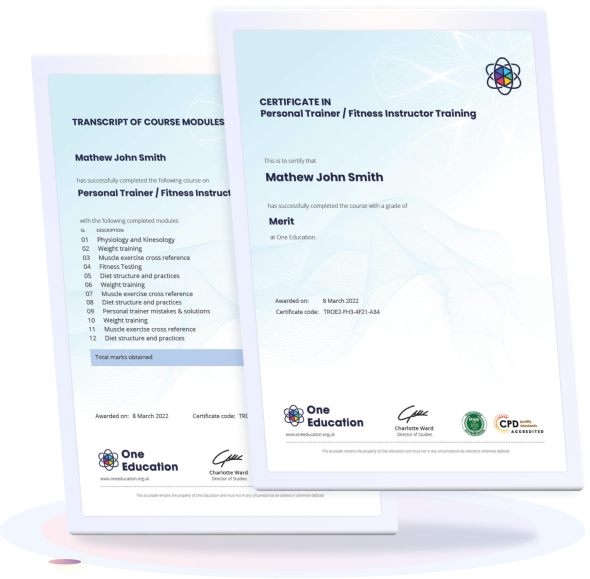
After completing the Emergency Medicine - Paramedicine course assessment, you will be eligible to receive a CPD-accredited certificate worth £9 from One Education to demonstrate your achievement.

The certificate is also available as a printed hard copy delivered by post for £15.

Why Study This Emergency Medicine - Paramedicine Course?

Studying Emergency Medicine – Paramedicine provides essential understanding of pre-hospital care, emergency response, and patient stabilisation in critical situations. It is highly relevant for those pursuing careers in ambulance services and emergency healthcare roles.

This qualification develops skills in rapid assessment, life-saving interventions, and effective communication under pressure. It strengthens clinical knowledge and decision-making ability, preparing learners to deliver safe and efficient care in urgent and high-stakes environments.

Course Duration

The Emergency Medicine - Paramedicine course has a total study time of 10 hours, 12 minutes. Learners can complete the programme at a flexible pace, allowing them to develop essential paramedic and emergency care knowledge while balancing study with other personal or professional commitments.

Requirements

The Emergency Medicine – Paramedicine course requirements are suitable for learners interested in emergency healthcare and pre-hospital care. No advanced clinical experience is required, although a basic understanding of health sciences or patient care is beneficial. The course is fully online, requiring only internet access and a digital device for flexible self-paced study.

Career Path

Frequently Asked Questions

It is a field of healthcare focused on providing urgent and life-saving care to patients in emergency situations.

A paramedic assesses patients, provides emergency treatment, and transports them safely to hospital if needed.

It is suitable for aspiring paramedics, emergency responders, and healthcare workers in urgent care roles.

Key skills include quick decision-making, communication, teamwork, and strong clinical knowledge.

It includes emergency response, trauma care, CPR, patient assessment, and pre-hospital care techniques.

They work in ambulance services, hospitals, emergency departments, and disaster response teams.

Course Curriculum

Emergency Medicine - Paramedicine
Module 1: Introduction to Paramedicine 00:33:00
Module 2: Roles and Responsibilities of Paramedics in the UK 00:33:00
Module 3: Basic Human Anatomy 00:23:00
Module 4: Initial Assessment 00:35:00
Module 5: Medication Administration 00:29:00
Module 6: Common Injuries 00:47:00
Module 7: Major Injuries 00:48:00
Module 8: Other Medical Emergencies 00:50:00
Module 9: Infection Control 00:30:00
Module 10: Paediatric Paramedicine 00:45:00
Module 11: Pain Management 00:24:00
Module 12: Emergency Response Planning and Management 00:31:00
Module 13: Paramedicine Risk Management 00:33:00
Module 14: CPR and AED Administration 00:28:00
Module 15: Ambulance Administration 00:31:00
Module 16: Law and Legislations for Paramedics 00:36:00
Module 17: Paramedic Procedures in Response to Covid-19 00:56:00
Assignment
Assignment – Emergency Medicine 00:00:00
Emergency Medicine – Paramedicine
top