The 7 Basic Tools of Quality

The 7 Basic Tools of Quality are fundamental techniques used in quality management to identify, analyse, and resolve process issues, improve performance, reduce defects, and support continuous improvement across organisations and industries.

The 7 Basic Tools of Quality

Get access to 5000+ courses including this for only £49. Learn More.

Overview of The 7 Basic Tools of Quality

The course “The 7 Basic Tools of Quality” introduces essential quality management techniques used in modern industries. It covers Check Sheets, Pareto Charts, Cause and Effect diagrams, Histograms, Control Charts, Scatter Diagrams, and Flowcharts, emphasizing Data Collection, Root Cause Analysis, and understanding Process Variation for effective decision-making and continuous improvement.

This curriculum is structured into five sections: Introduction, Quality, The 7 Basic Tools, Case Study, and Close Out. Learners gain practical knowledge of Check Sheets, Pareto Charts, Cause and Effect analysis, Histograms, Control Charts, Scatter Diagrams, and Flowcharts, enabling strong Data Collection skills and effective Root Cause Analysis of Process Variation.

By completing The 7 Basic Tools of Quality, learners strengthen their ability in Data Collection, Root Cause Analysis, and Process Variation control. Using Check Sheets, Pareto Charts, Cause and Effect diagrams, Histograms, Control Charts, Scatter Diagrams, and Flowcharts, professionals improve quality systems, reduce defects, and enhance continuous improvement initiatives in real-world applications.

The course was audited and updated on: 3rd June, 2026

Learning Outcomes of The 7 Basic Tools of Quality

Method Of Assessment​

Learners complete an assignment designed to evaluate their understanding of the course content. The assignment is reviewed by qualified tutors who provide personalised feedback, allowing learners to demonstrate their applied knowledge and skills.

Certification

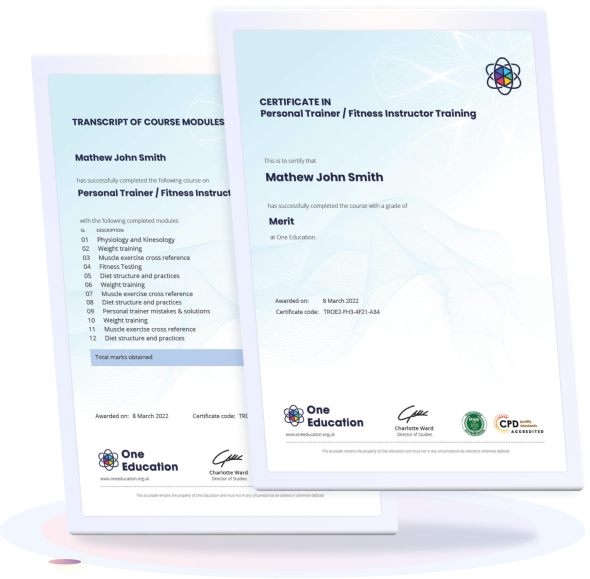
one education Certificate

After completing the The 7 Basic Tools of Quality course assessment, you will be eligible to receive a CPD-accredited certificate worth £9 from One Education to demonstrate your achievement.

The certificate is also available as a printed hard copy delivered by post for £15.

Why Study This The 7 Basic Tools of Quality Course?

Why Study This The 7 Basic Tools of Quality Course? The 7 Basic Tools of Quality are widely used to identify, analyse, and solve process-related problems, helping organisations improve efficiency, reduce errors, and maintain consistent standards across operations.

Studying this course develops practical skills in data analysis, problem-solving, and process improvement techniques. It strengthens decision-making abilities and supports professionals in driving quality enhancement and continuous improvement initiatives effectively.

Course Duration

The The 7 Basic Tools of Quality Course has a total study time of 56 minutes. Learners can complete the course in a short, focused session, allowing them to quickly gain essential understanding of the seven core quality tools and their use in process improvement and problem-solving in a way that fits easily around their daily schedule and availability.

Requirements

The 7 Basic Tools of Quality course requirements are designed for learners interested in process improvement and data-driven decision making. Applicants should have basic numeracy skills, logical thinking ability, and an interest in quality control methods. Access to an internet-enabled device is required for flexible, self-paced online study.

Career Path

Frequently Asked Questions

They are simple statistical and visual tools used in quality management to identify, analyse, and solve problems in processes.

It is suitable for quality assurance professionals, managers, engineers, supervisors, and anyone involved in process improvement or quality control.

They are: check sheets, histograms, Pareto charts, cause-and-effect (fishbone) diagrams, control charts, scatter diagrams, and flowcharts.

No, it is suitable for beginners, although basic understanding of workplace processes is helpful.

They help organisations identify problems, analyse data, improve processes, and make informed decisions based on evidence.

They are widely used in manufacturing, healthcare, business operations, service industries, and quality management systems.

Course Curriculum

Section 01: Introduction
Introduction 00:01:00
What is the purpose of this course? 00:02:00
Section 02: Quality
Let’s set the scene 00:03:00
What is quality? 00:05:00
Why a focus on quality is important 00:03:00
The 7 tools of quality – an introduction 00:01:00
Section 03: The 7 Basic Tools
Process Map 00:06:00
Check Sheet 00:04:00
Histogram 00:04:00
Pareto Chart 00:04:00
Fishbone Diagram 00:05:00
5 Whys 00:05:00
Run Chart 00:04:00
Section 04: Case Study
Case study 00:06:00
Section 05: Close Out
Close out 00:03:00
Assignment
Assignment – The 7 Basic Tools of Quality 00:00:00
top
Home Courses Search