17 Proven Tips to Getting a High Paying Job in the UK

February 03, 2026 | 15 minutes | 6282 Readers

Ambition for financial stability, career progression, and improved quality of life drives many professionals to search for high-paying jobs in the UK. Rising living costs, competitive job markets, and evolving industry demands encourage individuals to seek roles that offer stronger earning potential alongside long-term security. For both early-career candidates and experienced professionals, identifying pathways to better-paid opportunities has become an essential step towards achieving personal and professional goals. Earning a higher salary, however, rarely depends on luck alone. Industry selection,

Ambition for financial stability, career progression, and improved quality of life drives many professionals to search for high-paying jobs in the UK. Rising living costs, competitive job markets, and evolving industry demands encourage individuals to seek roles that offer stronger earning potential alongside long-term security. For both early-career candidates and experienced professionals, identifying pathways to better-paid opportunities has become an essential step towards achieving personal and professional goals.

Earning a higher salary, however, rarely depends on luck alone. Industry selection, in-demand skills, professional networking, and confident salary negotiation all play a decisive role in determining income growth. Understanding how these factors connect allows job seekers to position themselves strategically, increasing their chances of securing rewarding roles with sustainable financial progression.

What Are the 17 Highest-Paying Jobs in the UK?

These roles consistently rank among the best-paid positions due to responsibility, expertise requirements, and market demand.

Job Title Description Estimated UK Salary Range (£)
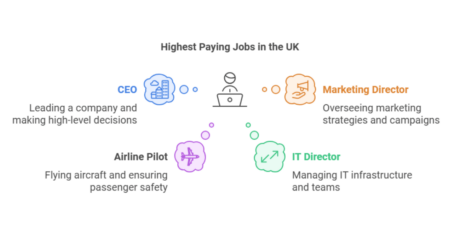
Chief Executive Officer (CEO) Leads organisational strategy, growth, and overall business performance. £145,000 – £600,000+
Surgeon (Specialist) Performs complex surgical procedures within a focused medical specialty. £120,000 – £320,000+
Investment Banker Manages high-value financial deals, mergers, and capital investments. £100,000 – £250,000+
Corporate Lawyer (Partner) Oversees major legal transactions and advises corporate clients. £130,000 – £400,000+
Anaesthetist Provides anaesthesia and pain management during surgical procedures. £114,000 – £150,000+
Ophthalmologist Diagnoses and treats eye conditions, including surgical interventions. £107,000 – £150,000+
Airline Pilot (Long-Haul) Operates long-distance commercial flights with international routes. £85,000 – £170,000+
AI / Machine Learning Engineer Designs intelligent systems, algorithms, and data-driven solutions. £95,000 – £180,000+
IT Director Leads technology strategy, systems security, and digital transformation. £95,000 – £170,000+
Chief Financial Officer (CFO) Manages financial planning, risk, and corporate financial strategy. £97,000 – £200,000+
Marketing Director Oversees brand strategy, campaigns, and revenue-driven marketing growth. £90,000 – £170,000+
Orthodontist Specialises in correcting dental alignment and bite issues. £96,000 – £180,000+
Cloud Solutions Architect Designs and manages scalable cloud infrastructure and systems. £90,000 – £160,000+
Air Traffic Controller Manages aircraft movements to ensure aviation safety. £85,000 – £100,000+
Petroleum Engineer Develops methods for extracting oil and gas resources efficiently. £82,000 – £123,000+
Cybersecurity Director Leads organisational security strategy and regulatory compliance. £100,000 – £190,000+
Actuary Assesses financial risk for insurance, pensions, and investments. £55,000 – £170,000+

Top 17 Tips to Get a High-Paying Job

Securing a high-paying job in the UK depends on targeted skills, recognised qualifications, and awareness of in-demand industries. Clear career planning and continuous development can steadily raise earning potential.

Strong networking, a tailored CV, and confident interviews further improve opportunities. Consistent learning and adaptability help professionals progress into higher-reward roles over time.

1. Target High-Paying Industries

Target High-Paying Industries

Choosing a high-paying industry is a smart step towards stronger earnings and long-term career security. Fields such as healthcare, technology, finance, engineering, and legal services often provide competitive salaries because of strong demand and specialised expertise.

Understanding industry trends, required qualifications, and future growth helps you select a path with better progression and salary potential. Even at entry level, the right sector can lead to steady development, professional opportunities, and higher financial rewards.

Key points:

  •       ♦ High-paying sectors offer stronger salary growth and stability.

  •       ♦ Specialised skills increase demand and earning potential.

  •       ♦ Early industry choice supports long-term career progression.

  •       ♦ Researching trends helps identify future high-income roles.

  •      ♦ Professional development opportunities are often greater in these sectors.
Tech Hubs

2. Move to London or Tech Hubs

Relocating to London or major UK tech hubs can open access to higher-paying roles, stronger professional networks, and quicker career advancement. Large cities attract leading employers across finance, technology, healthcare, and creative sectors, creating more frequent opportunities for promotions and specialised positions.

Planning the move carefully is essential for long-term financial stability. Reviewing living costs, transport options, and regional salary trends helps ensure relocation supports sustainable career growth.

Key benefits of relocating:

  •      ♦ Access to higher salaries and competitive job markets
  •      ♦ Stronger networking and professional development opportunities
  •      ♦ Greater availability of specialised and senior roles
  •      ♦ Improved visibility for promotions and partnerships
  •      ♦ Long-term career growth in high-demand industries
Aim for Senior Roles

3. Aim for Senior Roles

Advancing into senior positions is a dependable route to higher earnings and stronger long-term career security. Achieving this level typically requires several years of experience, specialist expertise, and clear evidence of leadership within your profession.

Ongoing professional development, recognised training, and proven achievements improve promotion prospects. Understanding senior-level expectations in your industry also supports effective planning for sustained career growth.

Key actions to reach senior roles:

  •      ♦ Gain consistent experience and deepen specialist professional knowledge.
  •      ♦ Demonstrate leadership, decision-making, and team management capability.
  •      ♦ Complete recognised training and continuous professional development.
  •      ♦ Track measurable achievements that support promotion readiness.
  •      ♦ Research senior-level requirements within your chosen industry.
  •      ♦ Target strategic or management roles to increase earning potential.

Online course in Senior Project Manager – Construction is available at One Education for extended learning.

4. Target High-Growth Sectors

Target High-Growth Sectors

Focusing on high-growth sectors can greatly improve your chances of achieving a well-paid and stable career. Industries such as technology, healthcare, renewable energy, and digital finance are expanding across the UK, creating strong demand for skilled professionals.

Understanding labour market trends, required qualifications, and future skill shortages helps you choose a field with long-term earning potential. Aligning your training and experience with these growing industries supports faster progression, stronger job security, and access to higher salaries over time.

5. Acquire Specialist Technical Skills

Acquire Specialist Technical Skills

Developing specialist technical skills is vital for securing a high-paying role in today’s competitive job market. Prioritising industry-relevant abilities—such as digital tools, data analysiscybersecurity, healthcare support, or advanced business software—helps strengthen professional expertise and career direction.

Ongoing professional development, recognised certifications, and targeted online learning can significantly improve employability. Employers value up-to-date technical knowledge and strong problem-solving ability, often leading to quicker career progression, greater job stability, and higher earning potential across in-demand sectors in the UK.

Online course in Technical Skills for Barber is available at One Education for extended learning.

6. Obtain Professional Certifications

Recognised professional certifications can greatly improve your chances of securing a high-paying role. They confirm verified knowledge, industry awareness, and a strong commitment to continuous professional development, making candidates more competitive in demanding job markets. Many employers value accredited training because it shortens onboarding time and signals dependable capability.

Selecting certifications linked to in-demand sectors such as healthcare, IT, finance, or management can further enhance earning potential. Keeping credentials updated also helps professionals stay relevant as industries evolve and new career opportunities appear.

Develop Leadership Abilities

7. Develop Leadership Abilities

 Developing strong leadership abilities is essential for achieving high-paying roles and long-term career progression. Employers value professionals who can guide teams effectively, make confident decisions, and handle challenges with clarity and responsibility.

Leadership skills can be improved by taking on greater responsibility, completing relevant training, and learning from experienced mentors. As these abilities grow, opportunities for promotion, higher salaries, and senior-level positions become more attainable across a wide range of industries.

Online course in Leadership and Management is available at One Education for extended learning.

Data Interpretation

8. Get Skilled at Data Interpretation

Strong data interpretation skills can greatly improve your chances of securing a high-paying role in today’s competitive job market. The ability to read data, recognise trends, and draw meaningful conclusions supports informed business decision-making across industries.

This skill can be developed through focused online learning, consistent practice with real datasets, and staying updated with modern industry tools. Professionals who convert information into clear insight are highly valued, as they contribute to organisational growth, efficiency, and long-term strategic success.

Online course in Diploma in Data Analysis Fundamentals is available at One Education for extended learning.

9. Tailor Your CV

Tailoring your CV is an effective way to secure a high-paying role and capture the attention of UK employers. Instead of sending one generic document, adjust your skills, achievements, and keywords to align with each job description, focusing on measurable results and relevant experience.

A carefully tailored CV improves visibility in applicant tracking systems and increases your chances of interview selection. Clear evidence of your suitability positions you as a strong and competitive candidate in today’s demanding job market.

Highlight Soft Skills

10. Highlight Soft Skills

Strong soft skills are essential for securing high-paying roles and progressing professionally. Employers highly value communication, teamwork, problem-solving, leadership, and time management because these abilities enhance workplace performance and collaboration.

Developing soft skills through training, feedback, and practical experience improves confidence and employability. Clearly presenting these strengths on your CV and in interviews demonstrates reliability, adaptability, and emotional intelligence, often leading to better opportunities, quicker promotions, and higher long-term earnings.

Online course in The 11 Essential Career Soft Skills Course is available at One Education for extended learning.

11. Use LinkedIn Strategically

Using LinkedIn with clear intent can improve your chances of securing high-paying roles. Refine your profile with measurable achievements, relevant keywords, and a concise professional summary that highlights your expertise.

Stay active by sharing insights, engaging in industry discussions, and connecting with decision-makers and recruiters. When used strategically, LinkedIn becomes a powerful career tool that boosts visibility, credibility, and access to better-paid opportunities.

Online course in Resume Writing & Job Search With LinkedIn and Interview Tips Course is available at One Education for extended learning.

Leverage specialised recruiters

12. Leverage specialised recruiters

Working with specialised recruiters can greatly improve your chances of securing high-paying roles in competitive industries. Their knowledge of hiring trends, salary benchmarks, and employer expectations helps align your skills with suitable senior or niche opportunities.

Maintaining a strong relationship, keeping your CV updated, and clearly communicating career goals can also provide early access to exclusive vacancies. This proactive approach supports faster progression and positions you more effectively for premium opportunities.

13. Network Directly

Building strong professional connections can greatly improve your chances of securing a high-paying role. Engaging with industry professionals through events, online platforms, and career communities helps uncover hidden opportunities and provides valuable insight into employer expectations.

Consistent networking also strengthens your personal brand, often leading to referrals, recommendations, and early awareness of unadvertised vacancies. Maintaining visible, meaningful professional relationships supports faster career progression and increased earning potential.

Use High-End Job Platforms

14. Use High-End Job Platforms

Targeting premium job platforms can greatly increase your chances of securing a high-paying role. Executive recruiters and top employers often advertise exclusive vacancies on specialised career websites rather than general job boards, making a polished profile and clear achievements essential.

Keeping your profile visible to recruiters and regularly reviewing these platforms also helps you stay updated on salary trends, in-demand skills, and senior-level opportunities. This allows you to apply strategically and remain competitive in the evolving UK job market.

15. Target Companies with “High-Paying” Reputation

Target employers known for competitive salaries, clear career progression, and strong benefits within your chosen industry. Reviewing company ratings, salary benchmarks, and market reputation helps identify organisations that consistently reward performance and talent.

Strategic applications to these high-paying companies can improve long-term earning potential and career stability. Access to structured training, recognised development pathways, and performance-based pay growth also supports sustainable professional and financial success.

Master Behavioral Interviews

16. Master Behavioral Interviews

Preparing for behavioural interviews is an important step in securing competitive roles in today’s job market. Employers review past experiences to understand future performance, so clear examples, structured storytelling, and confident communication are essential.

Understanding common behavioural questions, aligning achievements with employer expectations, and practising strong responses can improve success rates. Well-developed behavioural interview skills strengthen employability and present you as a credible, results-driven candidate ready for career progression.

17. Negotiate Salary and Benefits

Negotiating salary and benefits plays an important role in securing a high-paying job and strengthening long-term career value. Before accepting an offer, reviewing average UK salaries, comparing industry standards, and presenting clear evidence of skills, results, and experience can support a stronger position.

Professional and confident discussion may lead to higher pay, improved bonuses, flexible working options, or funded training opportunities. Even modest increases can grow significantly over time, improving financial stability, job satisfaction, and overall career progression in competitive employment markets.

Conclusion

Securing a high-paying job in the UK requires clear direction, sought-after skills, consistent development, and smart career choices aligned with current market demand. Focused learning, credible experience, effective networking, and the ability to adapt to industry change all contribute to stronger earning potential and long-term professional growth.

CPD-accredited courses from One Education help build knowledge, strengthen CV impact, and boost confidence, supporting learners in moving towards higher-paid opportunities with practical insight, recognised development, and a clear path for career progression.

FAQs – 17 Proven Tips to Getting a High Paying Job in the UK

1. What is considered a high-paying salary in the UK?

High-paying roles in the UK typically start from around £50,000 per year, with senior professionals, specialists, and executives often earning £80,000 to £150,000 or more depending on industry demand and experience.

2. Which industries offer the highest salaries in the UK?

Technology, finance, healthcare, legal services, engineering, and senior management consistently provide the strongest earning potential due to skill shortages, responsibility levels, and long-term career progression opportunities.

3. Can someone secure a high-paying job without extensive experience?

Entry into well-paid careers is possible through targeted skill development, recognised certifications, internships, and strong performance in junior roles that demonstrate measurable value to employers.

4. How important are professional certifications for higher salaries?

Industry certifications significantly improve credibility and employability, particularly in IT, finance, project management, and healthcare, where recognised credentials often lead to faster salary progression.

5. Do networking and professional connections influence salary growth?

Strong professional networks frequently open access to hidden job opportunities, referrals, and senior-level roles that may not be publicly advertised across the UK job market.

6. Which skills are most valued for high-income careers?

Advanced technical expertise, leadership capability, strategic thinking, digital literacy, communication strength, and analytical decision-making are widely linked to higher-earning professional positions.

Sam Walker

Article by

Sam Walker

Sam Walker is an education specialist and author at One Education, bringing over 4 years of experience in creating practical resources and strategies to support teachers and enhance student learning.

top
Home Courses Search