How to Write a CV with No Experience (For Teen Jobs)

September 05, 2025 | 9 minutes | 1988 Readers

Writing a CV can feel difficult when you have no work experience. This is common for many teenagers applying for their first jobs. Employers don’t expect teens to have long job histories. What they want is a clear and honest CV that shows your potential. This post will guide you step-by-step on how to write a CV even if you have no experience. It will also answer related questions and offer tips to make your CV stand out. How to

rating

Bestselling Course

View Details SAVE 94% NOW
How to Write a CV with No Experience For Teen Jobs

Writing a CV can feel difficult when you have no work experience. This is common for many teenagers applying for their first jobs. Employers don’t expect teens to have long job histories. What they want is a clear and honest CV that shows your potential.

This post will guide you step-by-step on how to write a CV even if you have no experience. It will also answer related questions and offer tips to make your CV stand out.

How to Write a CV with No Experience

Starting a CV with no experience can feel overwhelming, especially as a teen applying for your first job. The good news is, you don’t need a work history to make a strong impression. This section will break down simple steps to help you build a clear, effective CV from scratch.

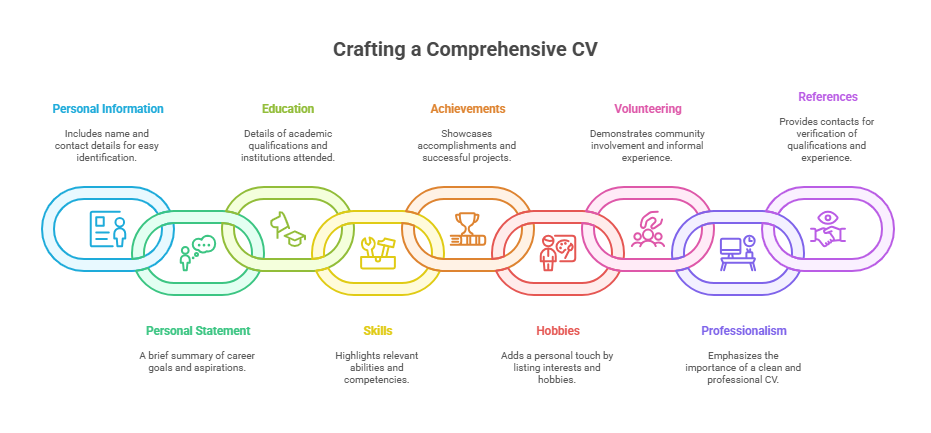
1. Start with Your Name and Contact Information

The first thing on your CV should be your full name. Make sure it is clear and easy to read. Below your name, include your phone number and a professional email address. 

Avoid using nicknames or informal email handles, as this can look unprofessional. You can also add your location, such as the city or town where you live, but you don’t need to list your full address. This section helps employers contact you easily.

2. Write a Short Personal Statement

A personal statement is a brief paragraph that introduces who you are and what you want. Write two or three sentences explaining your motivation, key qualities, and the kind of job you are looking for.

For example, you might say, “I am a motivated and hardworking student eager to gain work experience. I am reliable, a quick learner, and enjoy working with others. I am seeking a part-time job to develop new skills.” Keep it honest, clear, and focused.

Crafting a Comprehensive CV

3. List Your Education

Since you don’t have work experience yet, your education is very important. Include the name of your school and your current year or the qualifications you are working towards, such as GCSEs.

Mention any subjects related to the job you want. This shows employers your academic background and areas of interest. If you have good grades or specific achievements, include those as well.

4. Highlight Key Skills

You might not have job experience, but you have plenty of skills gained through school, activities, or everyday life. Write down skills such as teamwork, communication, time management, problem-solving, and reliability. 

Think about times when you worked well with others, completed tasks on time, or handled responsibilities. Try to connect these skills to the job you want, showing employers you have what they need.

5. Include Achievements and Projects

Have you received any awards or certificates at school? Did you participate in important projects, competitions, or events? These are great to include on your CV. 

Even if they are not job-related, achievements show dedication and effort. Briefly describe what you did and the skills you used. This helps employers see your strengths beyond academics.

6. Add Hobbies and Interests

Your hobbies and interests can tell employers a lot about your personality and skills. For example, playing team sports shows you can cooperate and work as part of a team. 

Playing an instrument or engaging in arts shows dedication and creativity. Hobbies like reading or coding indicate curiosity and self-motivation. Choose hobbies that demonstrate qualities relevant to the job or workplace.

7. Mention Volunteering or Informal Experience

If you have volunteered at charity events, community projects, or helped friends and family, include this experience. Volunteering shows responsibility, commitment, and good work habits. 

Informal jobs, like babysitting, dog walking, tutoring siblings, or helping in a family business, also count as valuable experience. Briefly explain what you did and the skills you developed. Employers appreciate any practical experience you have.

8. Keep Your CV Clean and Professional

Your CV should be easy to read and look neat. Use a simple layout with clear headings for each section. Choose a readable font such as Arial or Calibri, sized between 11 and 12 points.

Avoid using bright colors or fancy designs that can distract from your information. Keep your CV to one page only and use bullet points to break up text and make details easy to scan quickly.

9. Add References if Needed

You don’t need to include the names of referees on your CV at this stage. Instead, you can write “References available on request” at the end. Be prepared to give references if an employer asks later. Think about teachers, coaches, or volunteer supervisors who can vouch for your character and skills.

What Should a 16-Year-Old Put on a CV With No Experience?

If you are 16 and have no work history, focus on what you do have. Start with your education, listing your current school and the qualifications you are studying for. Include subjects that might be relevant to the job. 

Next, highlight skills you have developed through school, clubs, or hobbies. Don’t forget to mention any awards, certificates, or other achievements. 

Finally, include hobbies or responsibilities at home, like caring for younger siblings, which show maturity and responsibility. These sections demonstrate to employers that you are reliable and eager to learn.

Should You Use a CV Template as a Teen?

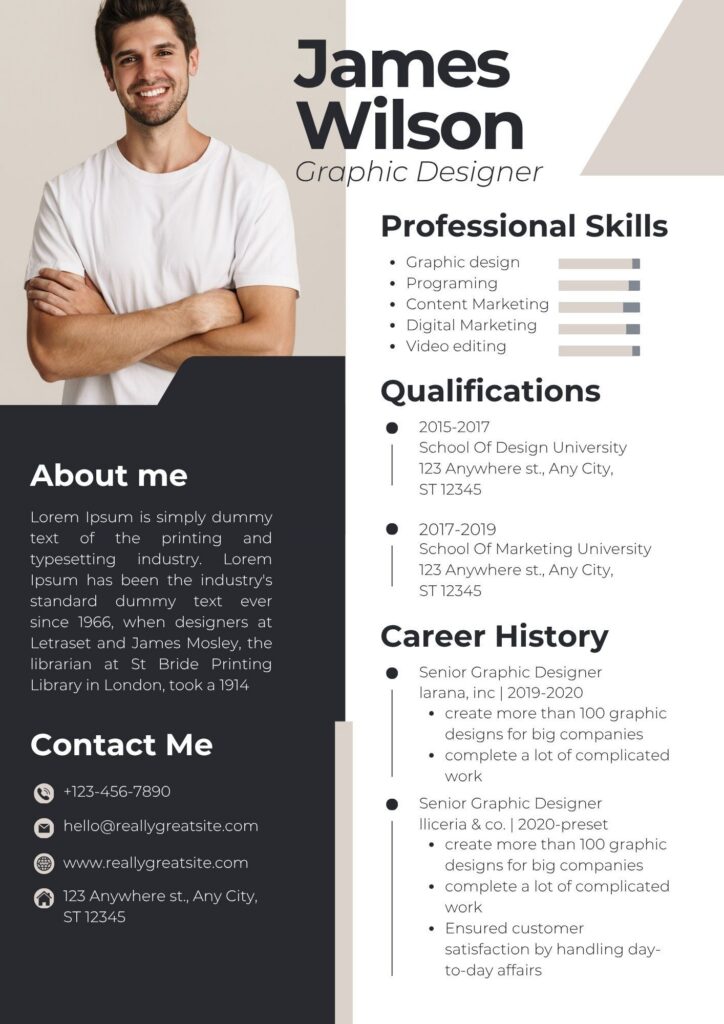
Using a CV template is highly recommended. Templates provide a clear, professional format that makes your CV look organized and polished. They help ensure you don’t forget important sections and keep your information easy to read. 

Many free CV templates are available online specifically designed for teenagers and first-time job seekers. Websites like Canva, LiveCareer, and Adobe Express offer simple, attractive templates. Choose one that fits your style but remains clean and professional.

Common Mistakes Teens Make on Their First CVs

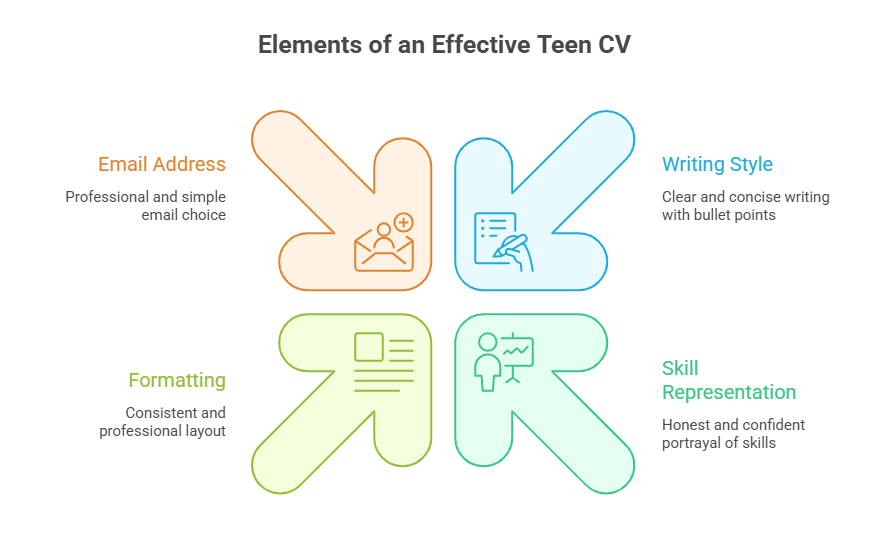
Common Mistakes Teens Make on Their First CVs - visual selection

One common mistake is writing too much or too little. Some teens write long, confusing paragraphs that don’t add value, while others write very little or leave sections empty. Aim to write clear, concise sentences and use bullet points to present your information.

Another mistake is overstating or underselling your skills. Avoid exaggerating your experience or abilities. Be honest but confident about what you can offer. Don’t downplay your strengths or enthusiasm for the job.

Poor formatting can also harm your chances. A messy CV with inconsistent fonts or spacing looks unprofessional and is hard to read. Use clear headings, uniform font sizes, and bullet points. Keep everything on one page to maintain focus.

Finally, using an unprofessional email address can hurt your application. Choose a simple email with your name or initials. This shows you are serious and ready for work.

Teen CV Example (No Experience)

Seeing a real example of a CV written by a teen with no experience can help you understand how to structure your own. This sample will guide you on how to present your education, skills, and hobbies clearly, giving you a practical reference to follow.

Name: Sarah Johnson
Contact: [email protected] | 07123 456789 | London

Personal Statement:
I am an enthusiastic and hardworking school student seeking a part-time job. I am reliable, eager to develop new skills, and enjoy working as part of a team.

Education:
Greenwood High School, Year 11 (GCSEs)
Relevant subjects: English, Maths, Business Studies

Key Skills:

  • Teamwork (member of school netball team)

  • Communication (delivered presentations in class)

  • Time management (balancing school and extracurricular activities)

  • Reliability (good attendance and punctuality)

Achievements:

  • Awarded ‘Student of the Month’ for outstanding effort

  • Volunteered in school fundraising events

Hobbies and Interests:

  • Playing netball

  • Volunteering at local charity shop

  • Reading and creative writing

References: Available on request

Use an AI-Powered CV Builder to Make It Easier

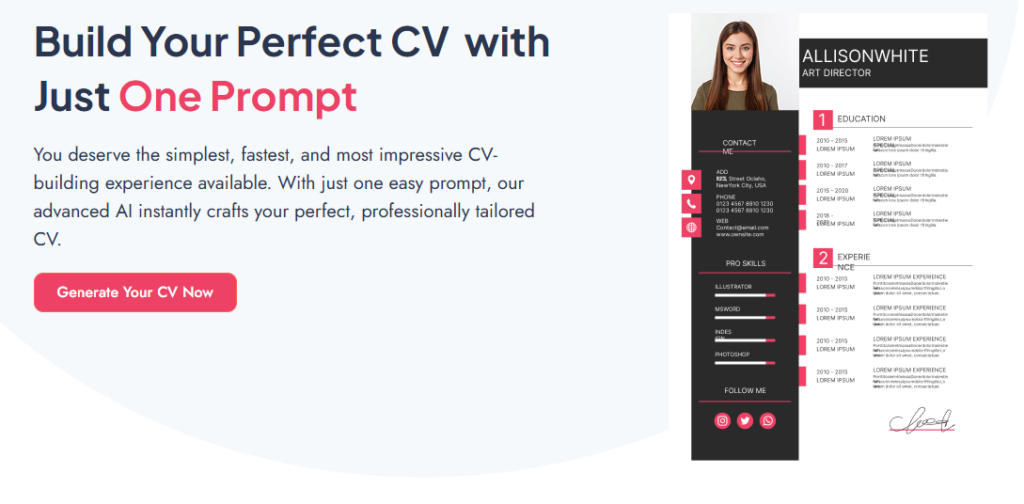
If you feel unsure about writing your CV or want extra help, consider using the AI-powered CV builder from One Education. This tool is designed especially for students and teens with little or no experience. 

It guides you through each step, suggests strong phrases, and formats your CV professionally — all for free. Using this tool can save time and help you create a CV that catches employers’ attention. If you want to take the stress out of your first CV, try it here: One Education AI-powered CV Builder.

Frequently Asked Questions

What if I have never had a job or done any volunteering?
You can highlight your hobbies, school activities, or responsibilities at home to show your skills. Focus on your willingness to learn and your reliability.

Do I need a cover letter too?
Yes. A short cover letter helps explain why you want the job and shows your enthusiasm to the employer.

Can I apply for jobs without a CV as a teen?
Some casual jobs don’t require a CV, but having one makes you look prepared and serious about working.

How long should a teen CV be?
Keep your CV to one page. It should be clear and concise.

Should I include a photo or social media links?
Do not include a photo. Only add professional social media links like LinkedIn if relevant.

Conclusion

You don’t need prior work experience to write a strong CV as a teenager. Focus on your education, skills, achievements, and personal qualities. Keep your CV simple, honest, and professional. Use free templates or tools like the AI-powered CV builder to help you create a polished document. Your first CV is your first step toward gaining experience and starting your career. Put effort into it, and good luck!

josh ashton

Article by

Josh Ashton

Josh is an education specialist and author at One Education, bringing over 4 years of experience in creating practical resources and strategies to support teachers and enhance student learning.

top

Hear What Our Learners Say About Us

Home Courses Search