
Career Advice

Google SafeSearch Settings Explained How to Turn It Off Quickly
SafeSearch is a Google feature that filters explicit content from search results. This article explains how it works, why it may be enabled, and how to turn it off if needed.
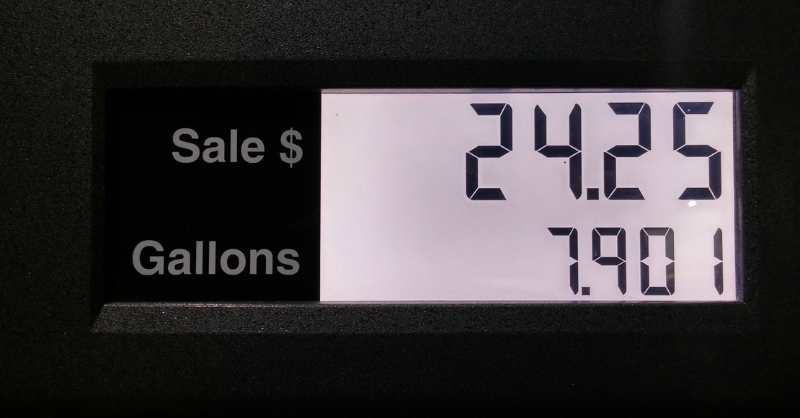
How Many Litres in a Gallon? Quick Conversion Explained
Gallons can be confusing because US and UK measurements differ significantly. This article explains the key differences and helps you convert gallons to litres accurately in everyday situations.

Top 7 Benefits of Learning British Sign Language in the UK
Communication barriers still affect thousands of Deaf and hard-of-hearing people across the UK, making everyday interactions challenging in workplaces, education, and public spaces. British Sign Language (BSL) is a recognised visual language that uses hand gestures, facial expressions, and body movement to convey meaning. For many members of the Deaf community, BSL is their first or preferred language, playing a vital role in ensuring effective communication and social inclusion. As awareness of accessibility and equality continues to grow, the importance of learning

Beginner’s Guide to BSL Level 1: 7 Essential Skills to Start Learning
British Sign Language (BSL) is a visual form of communication used widely by the Deaf community in the UK. It combines hand movements, facial expressions, and body language to convey meaning, making it a complete and recognised language with its own grammar and structure. In recent years, interest in learning BSL has grown significantly as awareness of accessibility, equality, and inclusive communication continues to increase across workplaces, education, and public services. This beginner’s guide is ideal for anyone with little or no

Why Should You Learn British Sign Language?
Communication is a basic human need, yet many Deaf and hard-of-hearing individuals face daily challenges because others cannot understand their language. In situations such as healthcare visits, education, or workplace interactions, these communication barriers can lead to frustration, isolation, and limited opportunities. British Sign Language (BSL) is a rich visual language with its own grammar and cultural importance, widely used across the UK Deaf community. Learning BSL helps bridge this gap and supports a more inclusive society where everyone can communicate with

Online vs Classroom Functional Skills Courses: Which Is Right for You?
Balancing work, family responsibilities, and personal commitments can make returning to study feel overwhelming. Many learners also struggle with exam anxiety or lack confidence in their Maths and English skills, which can delay career progress or limit job opportunities. In the UK, Functional Skills Maths and English qualifications are widely recognised as essential for employment, apprenticeships, and further education, making them a crucial step for anyone aiming to improve their prospects. When deciding to enrol, learners often face a common dilemma — should you

7 Key Exam Tips for Functional Skills Level 2
Functional Skills Level 2 exams play an important role in building strong Maths and English abilities that are widely valued in education and employment. Many employers and training providers consider this qualification equivalent to a GCSE pass, which means achieving it can significantly improve career opportunities. Whether you are aiming for an apprenticeship, a promotion, or further study, passing Functional Skills Level 2 can help you move forward with greater confidence. Success in these exams is not only about knowledge but also

How to Choose the Right Functional Skills Course
Struggling with Maths or English qualifications can feel like a constant barrier to career growth, university entry, or even everyday confidence. Many learners enrol in Functional Skills courses hoping to improve their prospects — yet choosing the wrong course can lead to wasted time, frustration, and unnecessary costs. Selecting the right Functional Skills course is more important than most people realise. The right choice can help you gain recognised skills, meet job or academic requirements, and build long-term confidence in communication and numeracy.

5 Key Benefits of Functional Skills Level 2 Courses
Struggling to progress in your career due to gaps in maths or English skills? You are not alone. Millions of adults in the UK face challenges with essential literacy and numeracy, which can directly impact job opportunities, promotions, and further education pathways. Functional Skills Level 2 courses are designed to bridge this gap by offering practical, real-life learning that supports both personal and professional development. Functional Skills Level 2 focuses on building confidence in everyday communication, problem-solving, and workplace calculations. These courses have become increasingly

GCSEs vs. Functional Skills: Which Level 2 Qualification Actually Fits Your Life?
Choosing the right qualification can feel overwhelming, especially if you are an adult learner returning to study, a career changer aiming for better opportunities, or someone who struggled with traditional exams at school. Many learners find themselves stuck between two common options — GCSEs and Functional Skills Level 2. Both are widely recognised and can help you progress into employment, apprenticeships, or further education, yet they offer very different learning experiences, assessment styles, and levels of flexibility. Understanding which qualification suits your lifestyle,
10 Tips for Building Leadership Skills in the Workplace
A college degree and technical skills can only take you so far in your career. You need to develop essential soft skills too. One of the most important soft skills for career development is leadership skills. So what are leadership skills? And how to develop leadership skills in the workplace? Leadership drives innovation, increases engagement, and facilitates mobilisation toward shared goals. From applying for jobs to getting a promotion — leadership skills are instrumental in all spheres. So knowing how
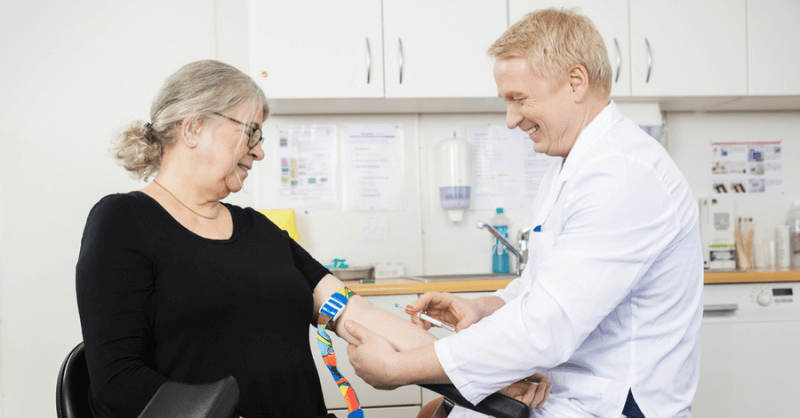
How to Become a Phlebotomist in the UK
Phlebotomists are healthcare professionals who collect blood samples for medical testing and research. This article explains their role, required skills, and how to start a career in phlebotomy in the UK.