
Uncategorized

How to Become a Crime Scene Investigator: Career Steps, Skills, and Salary Guide
Learn how to become a Crime Scene Investigator, including essential skills, career steps, qualifications, and average salary expectations. Start a rewarding forensic science career in criminal investigation and evidence analysis.
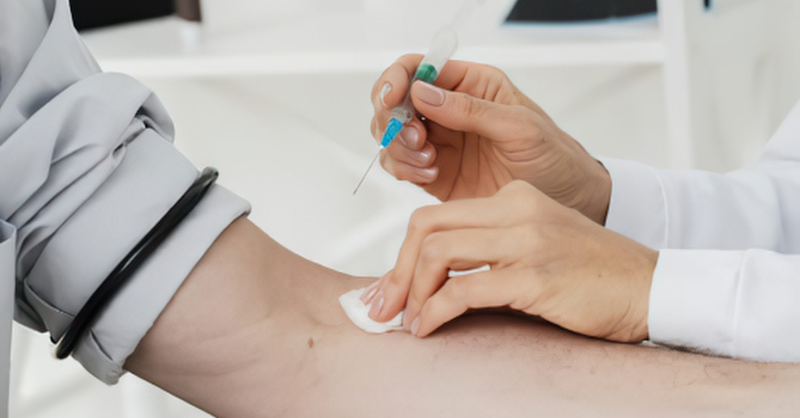
Master the ‘Hard Stick’: A Phlebotomist’s Guide to Difficult Venepuncture
If you are considering a career in healthcare, phlebotomy is one of the most rewarding and accessible entry points. However, if you’ve been researching the role, you’ve likely come across a term that can feel a little intimidating: the “Hard Stick.” A “hard stick” is simply a patient whose veins are difficult to find or access. For someone just starting their training, the thought of failing a draw or causing a patient discomfort is a common source of anxiety. But

How Employers Can Achieve Food Safety Compliance in UK Catering Businesses
In UK hospitality, food safety compliance is rarely determined by isolated kitchen errors. It is increasingly judged as a reflection of leadership, operational discipline, and employer accountability. From independent cafés and high-volume takeaways to delivery-led kitchens, food safety law now shapes how teams are trained, supervised, and supported in daily service. Employer responsibility sits at the centre of this framework. Regulators increasingly assess how employers design systems, monitor performance, and respond to risk — not just how frontline staff perform

How to Teach Mathematics to Your Children While Traveling?
Traveling with children can become a powerful math classroom. Discover practical ways to maintain learning, choose online math courses, and turn everyday travel experiences into engaging real-world math lessons.

Phlebotomist Salary in the UK: What Can You Really Earn in 2026?
If you have ever searched “phlebotomist salary UK” online, you have probably come away more confused than when you started. One site quotes Band 2. Another claims £30,000 or more. An agency advert lists an impressive hourly rate with no mention of what that actually means across a full year. The figures seem to contradict each other at every turn. The reality is that phlebotomist salary in the UK is not random — it simply depends on several factors that

Legal Requirements for Phlebotomy in the UK Healthcare Sector
If you are considering a career as a phlebotomist in the UK, one of the first questions you will likely encounter is: do you need a licence? It is a fair question. Phlebotomists collect blood samples, work with needles, follow infection prevention procedures, and handle specimens that must be correctly identified and processed. In a healthcare setting, that sounds like a role that should carry formal legal authorisation. The short answer is no — there is no standalone national licence
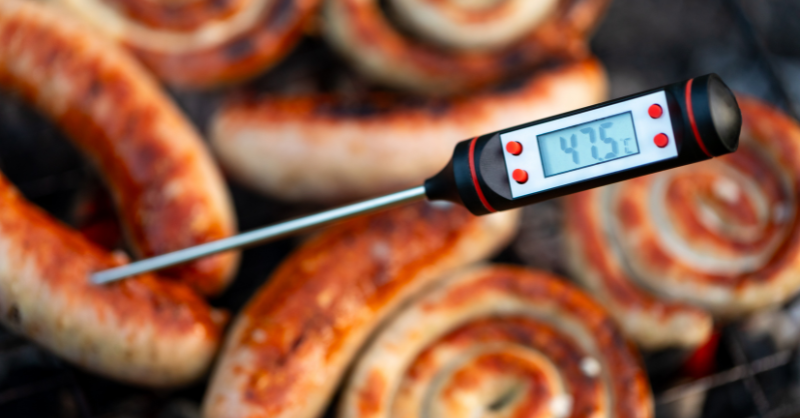
Why Temperature Control Is Everything in Food Safety
In the fast-paced world of UK catering, temperature control is the invisible thread that holds a successful business together. Whether you are running a high-end restaurant in London, a school canteen, or a weekend street food stall, mastering food temperatures is not just about culinary excellence—it is a critical legal and safety requirement. Failure to manage these “critical control points” can lead to more than just a ruined batch of food. It can result in a “0” Food Hygiene Rating,

When Is Level 3 Food Safety Required in UK Kitchens? A Guide for Supervisors & Managers
Level 3 Food Safety is not usually required by UK law by name, but it is widely expected when a role involves supervising staff, monitoring hygiene standards, supporting HACCP-based procedures, reviewing records, or helping manage food safety across a kitchen operation. UK food law focuses on appropriate training, supervision, and safe food management rather than one fixed certificate title. That means Level 3 becomes relevant less because of job title alone and more because of responsibility. If someone is only

Kitchen Hygiene Standards in UK Hospitality: Supervisor Responsibilities and Cleaning Systems Explained
What Kitchen Hygiene Standards Mean in UK Hospitality Kitchen hygiene standards in UK hospitality cover the practical controls that help keep food safe, kitchens clean, and service areas compliant. In practice, that includes effective cleaning and disinfection, strong personal hygiene, cross-contamination prevention, safe storage, temperature control, and food safety procedures based on HACCP principles. In most hospitality businesses, supervisors play a central role because they help make sure those standards are followed consistently during real service, not just written into

Types of Food Contamination & Risks in Catering Kitchens
In the UK’s fast-paced catering sector, food safety is the literal foundation of a successful business. Whether you are managing a high-end wedding marquee or a busy school canteen, the risk of food contamination is a constant shadow. For supervisors and kitchen managers, understanding these risks isn’t just about passing an inspection—it’s about protecting public health and complying with strict UK legislation like the Food Safety Act 1990. Contamination can occur at any stage: from the moment a delivery van

Use By vs Best Before: The Food Date Labels Everyone Gets Wrong
Use by and best before dates exist for different reasons, carry different legal weight, and require different responses. Treating them as the same thing is a mistake that causes UK households to throw away food they could safely eat — and can leave food businesses on the wrong side of the law. You pull something from the fridge, glance at the packaging, and notice the date has passed. Is it still safe, or are you about to throw away perfectly

Safer Food Better Business (SFBB) Explained: How to Use the Diary, Opening Checks, and Closing Checks
In a busy kitchen, food safety can slip when checks are rushed, records are missed, or problems are left until later. Safer Food Better Business (SFBB) is designed to help small catering businesses stay on top of those everyday risks by building food safety into the working day. For many caterers, the challenge is not understanding that food safety matters. It is making sure checks happen every day, records are completed properly, and problems are acted on when they appear.